Why These 15 Must-Visit Places in Germany Belong on Every Itinerary
Germany is a mosaic of history, innovation, natural beauty, and regional diversity — making it one of Europe’s most rewarding destinations. Whether you’re drawn to medieval architecture, world-class museums, Black Forest hiking trails, or Bavarian beer gardens, these 15 must-visit places in Germany offer something extraordinary for every kind of traveler. This curated list balances UNESCO World Heritage Sites, underrated gems, and perennial favorites — all chosen for authenticity, accessibility, and cultural resonance.
As tourism rebounds across Europe, travelers increasingly seek meaningful, well-paced itineraries — not just checklists. That’s why each of these 15 must-visit places in Germany has been selected for its unique storytelling potential: whether it’s the Cold War legacy of Berlin’s East Side Gallery or the Romantic Road charm of Rothenburg ob der Tauber. We’ve also prioritized locations with strong public transport links and multilingual visitor services — because seamless travel enhances discovery.
1. Neuschwanstein Castle, Bavaria
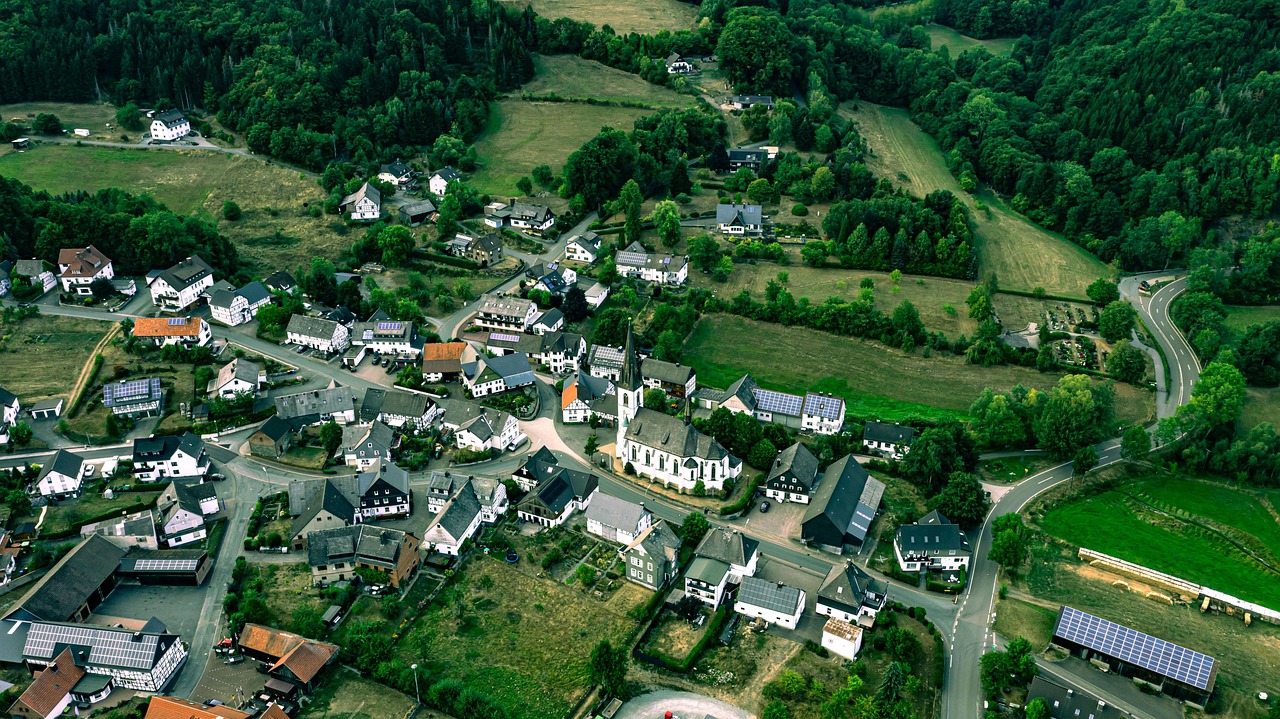
No list of must-visit places in Germany is complete without Neuschwanstein Castle — the quintessential fairy-tale fortress perched above the Alpine village of Hohenschwangau. Commissioned by King Ludwig II in 1869, this Romanesque Revival masterpiece inspired Disney’s Sleeping Beauty Castle and remains one of the most photographed landmarks in Europe.
Visitors should book tickets online weeks in advance (timed entry is mandatory), then hike or take the shuttle up to the castle for panoramic views of the Forggensee lake and surrounding peaks. Combine your visit with nearby Linderhof Palace and the scenic Pöllat Gorge for a full-day Bavarian immersion.
2. Berlin’s Historic Center & Brandenburg Gate
Berlin stands as Germany’s living archive — where layers of history converge in real time. At its heart lies the Brandenburg Gate, a neoclassical triumphal arch symbolizing both division and reunification. Just steps away, the Reichstag Building houses Germany’s parliament and offers a stunning glass dome with 360° city views — book free tickets online for same-day access.
Extend your walk along Unter den Linden boulevard to Museum Island (a UNESCO site housing five world-renowned institutions), then pause at the poignant Holocaust Memorial and East Side Gallery — the longest open-air gallery in the world, painted on surviving sections of the Berlin Wall.
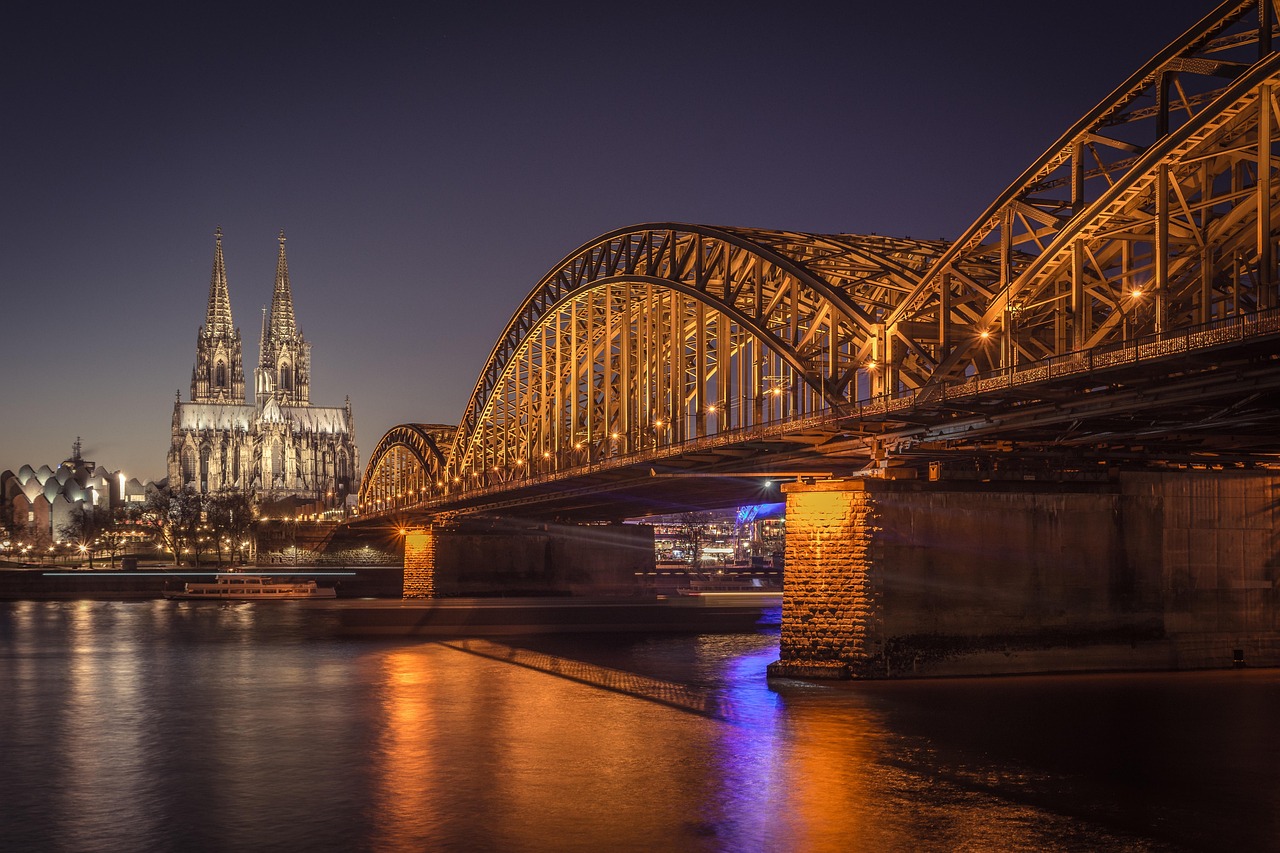
3. Cologne Cathedral (Kölner Dom)
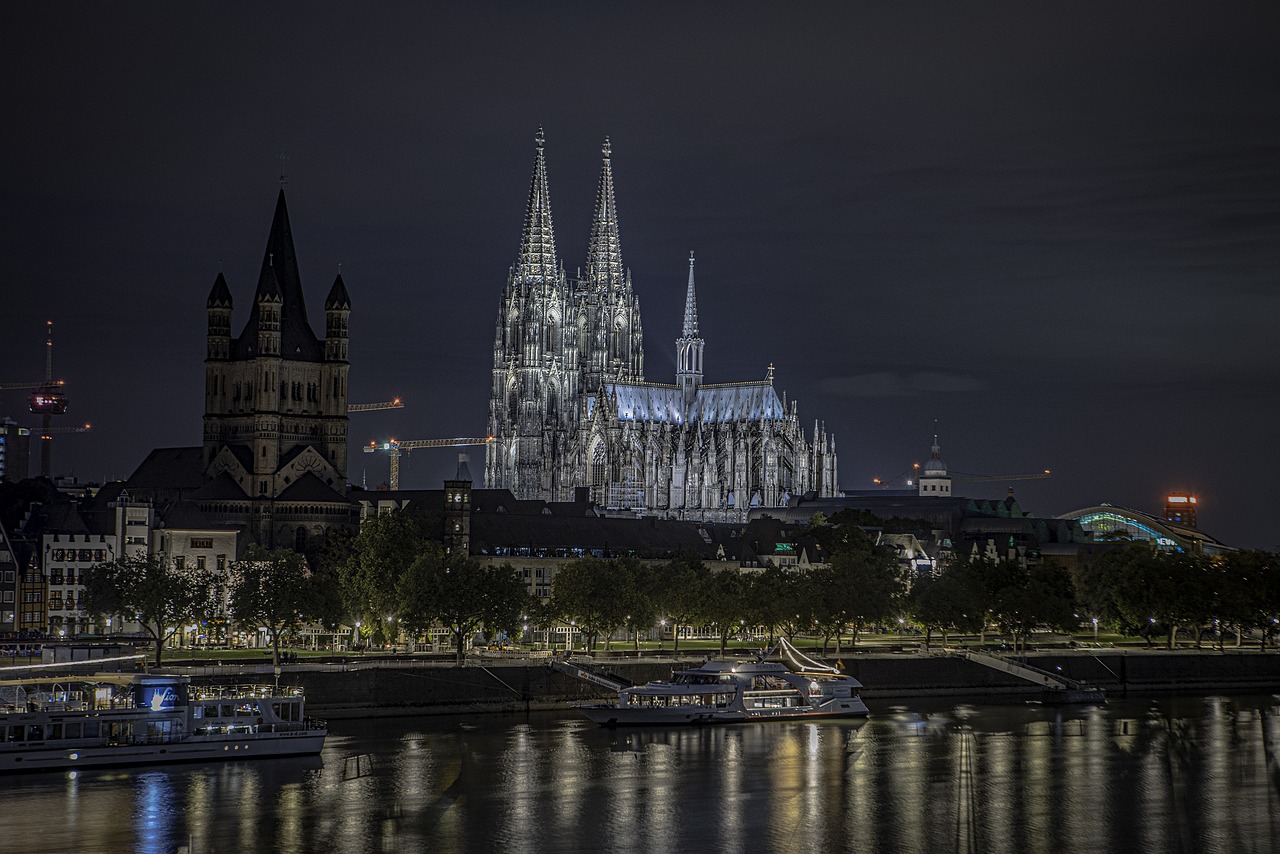
A Gothic marvel nearly 700 years in the making, Cologne Cathedral dominates the Rhine River skyline with its twin spires — the tallest church façade in the world. Completed in 1880 after centuries of intermittent construction, it’s now a UNESCO World Heritage Site and pilgrimage destination.
Climb the 533-step spiral staircase for breathtaking views over the Rhineland, or descend into the archaeological zone beneath the cathedral square to uncover Roman and early Christian ruins. Don’t miss the Shrine of the Three Kings — a gilded reliquary believed to hold the remains of the Biblical Magi.
4. Romantic Road: Rothenburg ob der Tauber
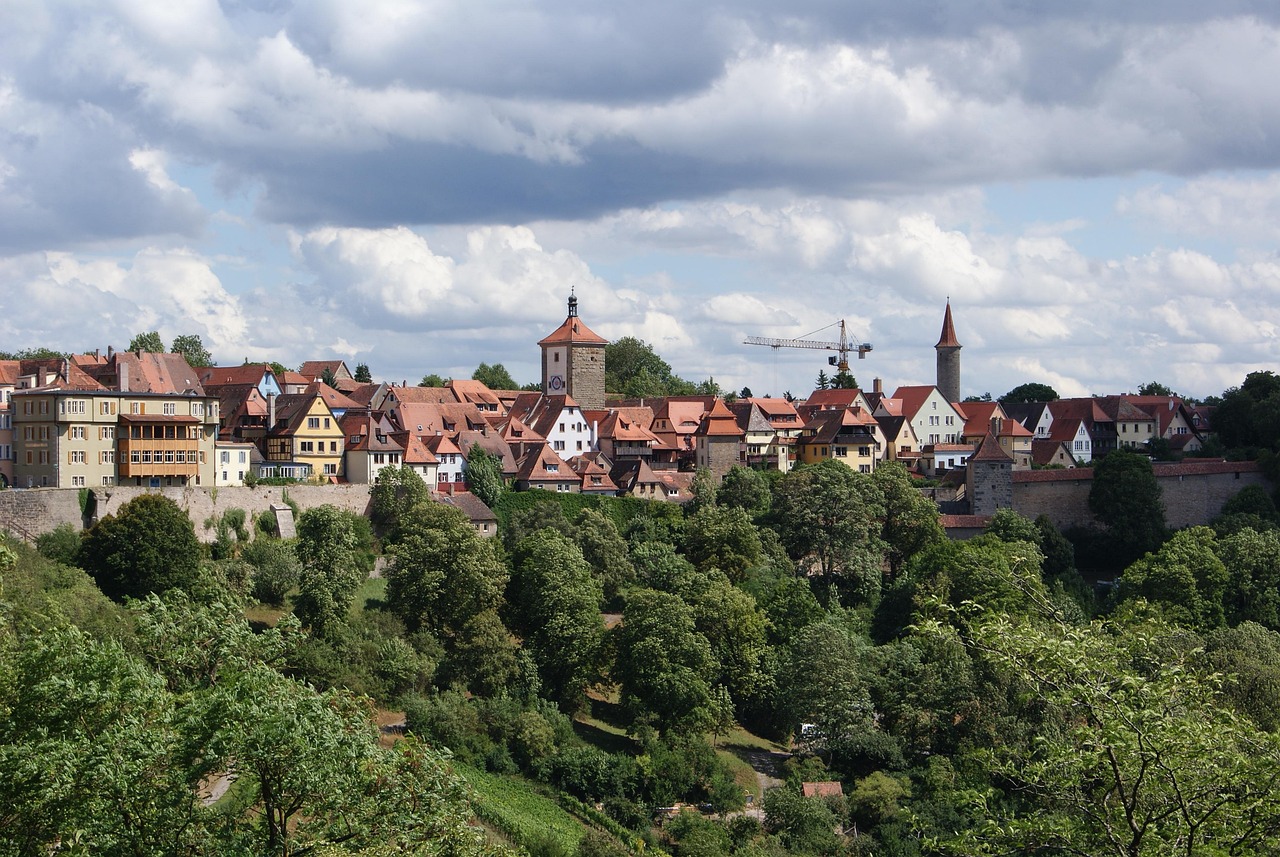
Rothenburg ob der Tauber is the jewel of the Romantic Road — a meticulously preserved medieval town in Franconia whose cobbled lanes, half-timbered houses, and intact 14th-century walls evoke timeless charm. Walk the town wall for uninterrupted views, sample Schneeballen (marzipan pastry balls), and join the nightly ‘Night Watchman Tour’ — a costumed reenactment dating back to 1517.
While Rothenburg is the most famous stop, consider extending your Romantic Road journey to Dinkelsbühl and Nördlingen — two equally enchanting walled towns that see fewer crowds but equal historical weight.
5. Dresden’s Elbe Valley & Zwinger Palace
Dresden’s baroque grandeur was nearly erased during WWII — yet its rebirth is one of Germany’s most moving cultural triumphs. The Zwinger Palace, home to the Old Masters Picture Gallery (featuring Raphael’s Sistine Madonna), exemplifies Augustus the Strong’s artistic ambition. Nearby, the reconstructed Frauenkirche stands as a beacon of reconciliation.
Stroll the Elbe River banks, cross the Augustus Bridge, and explore the Japanese Palace and Pillnitz Castle — all part of Dresden’s UNESCO-listed cultural landscape. In spring, the Elbe Valley blooms with vineyards and peach orchards, offering scenic bike routes and wine tastings.
6. Heidelberg Castle & Old Town
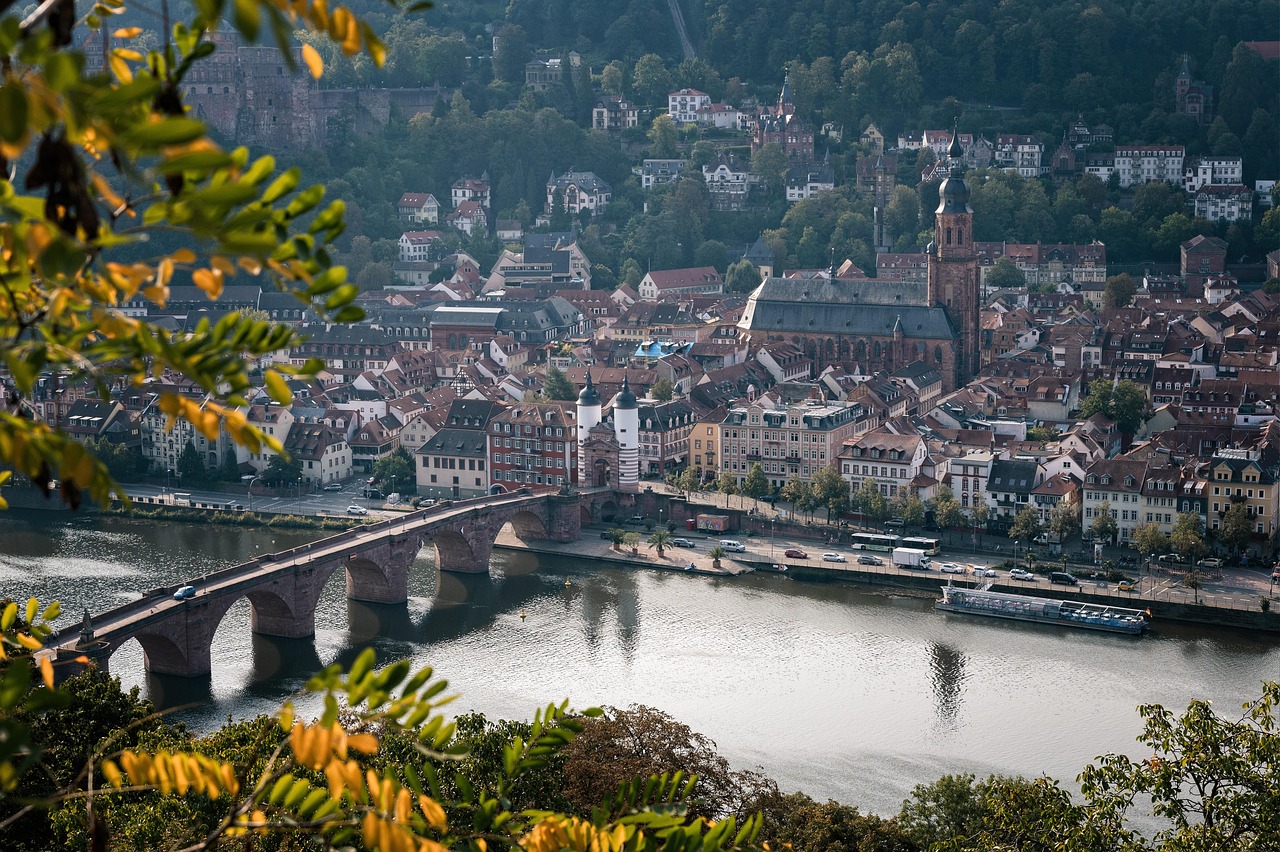
Perched high above the Neckar River, Heidelberg Castle is a romantic ruin blending Gothic and Renaissance elements — and arguably Germany’s most picturesque hilltop fortress. Its terrace offers sweeping views of the red-roofed Altstadt and the forested Odenwald hills.
Below, Heidelberg’s Old Town charms with its student-filled cafés, the Church of the Holy Spirit, and the Philosophers’ Walk — a path once trodden by Hegel and Mark Twain. Join a guided tour to hear tales of alchemy, wine barrels, and university pranks dating back to 1386 (Germany’s oldest university).
7. The Black Forest: Triberg Waterfalls & Titisee Lake
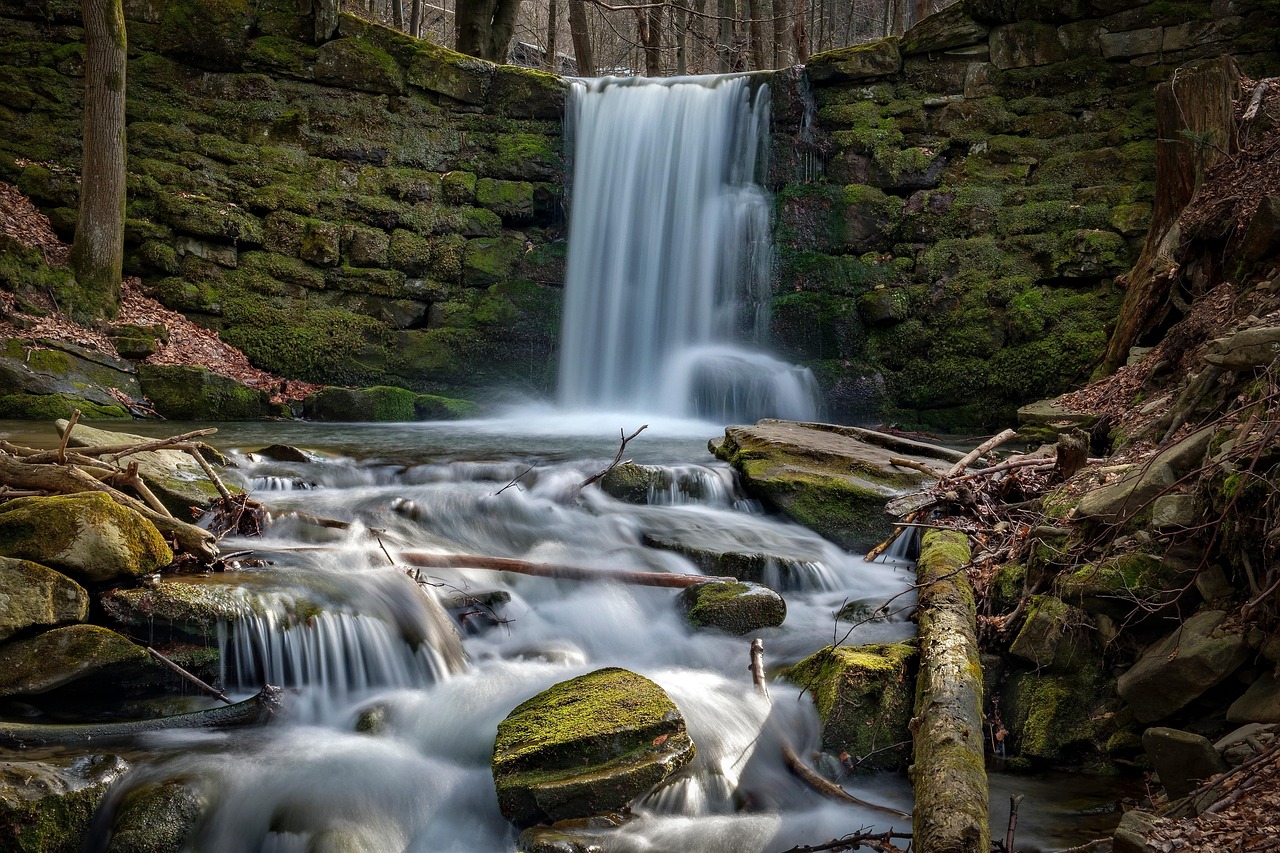
The Black Forest isn’t just folklore — it’s a vast, evergreen expanse of hiking trails, cuckoo-clock workshops, and thermal spas. Start in Triberg, home to Germany’s highest waterfalls (163 meters), where wooden footbridges wind through misty ravines. Then head to serene Titisee Lake — perfect for paddleboarding, lakeside cycling, or sampling Black Forest gateau in a traditional gasthaus.
For deeper immersion, stay overnight in a timber chalet in St. Peter or drive the scenic Schwarzwaldhochstraße (Black Forest High Road) — especially magical in autumn when maples blaze crimson and gold.
8. Munich’s Marienplatz & Bavarian Capital Charm
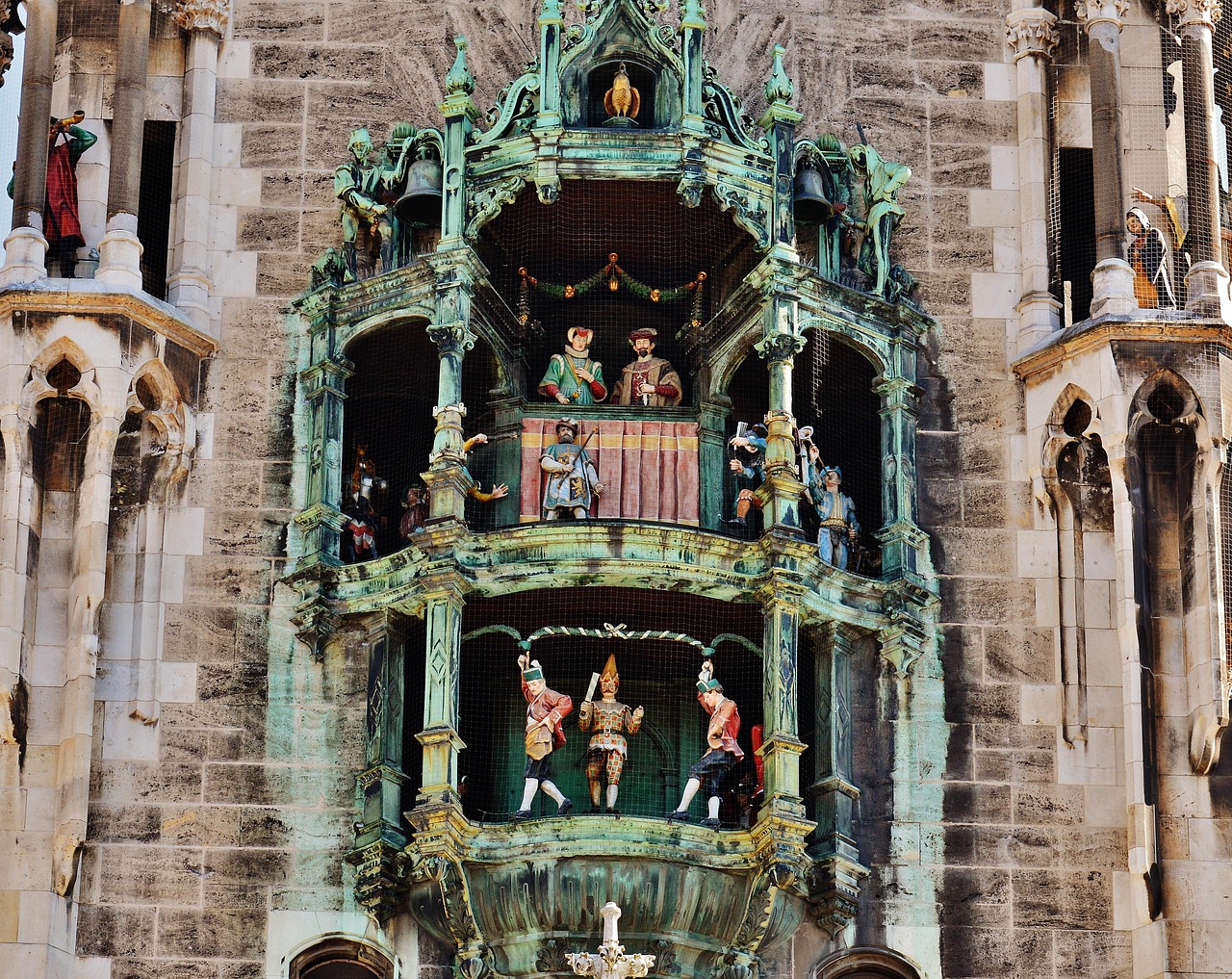
Munich blends royal elegance, alpine energy, and cutting-edge design. At its center, Marienplatz hosts the Glockenspiel — a mechanical clock that chimes daily at 11 a.m. and noon, animating 32 figures recounting 16th-century wedding festivities and plague history.
From here, explore the opulent Residenz Palace, the vibrant Viktualienmarkt food hall, and the English Garden — larger than New York’s Central Park. In October, don’t miss Oktoberfest (held in Theresienwiese), the world’s largest folk festival — though book accommodations *months* ahead.
9. Hamburg’s Speicherstadt & Elbphilharmonie
Hamburg is Germany’s gateway to the sea — and its maritime soul pulses strongest in Speicherstadt, the world’s largest historic warehouse district. Built on timber piles over canals, this red-brick UNESCO site now houses museums, cafés, and the Miniatur Wunderland — the largest model railway exhibition globally.
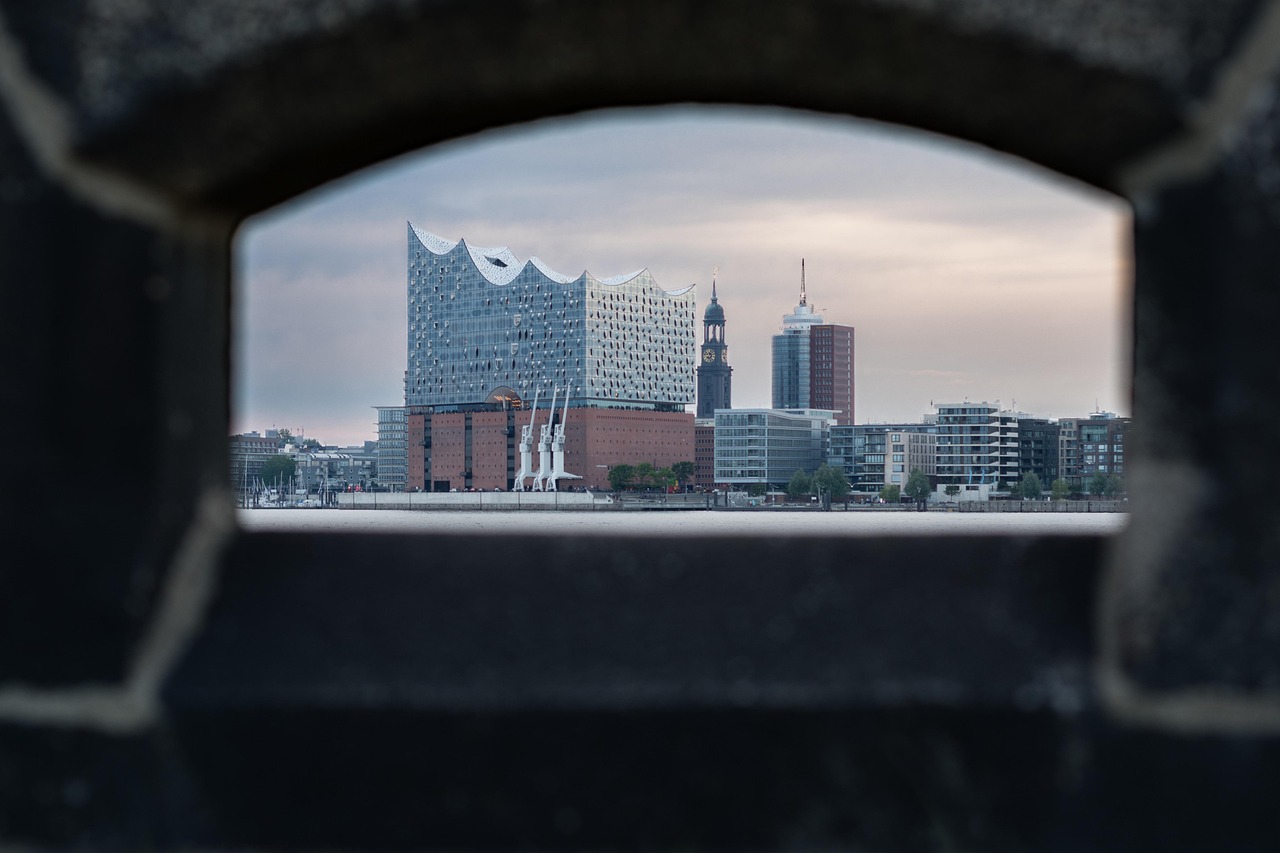
Just beyond lies the Elbphilharmonie — a shimmering glass wave rising above the old port. Book a concert or take a free guided tour to learn about its acoustics and sustainability innovations. Cap off your day with a harbor boat tour past container ships and the historic Rickmer Rickmers tall ship.
10. Nuremberg’s Medieval Walls & Documentation Center
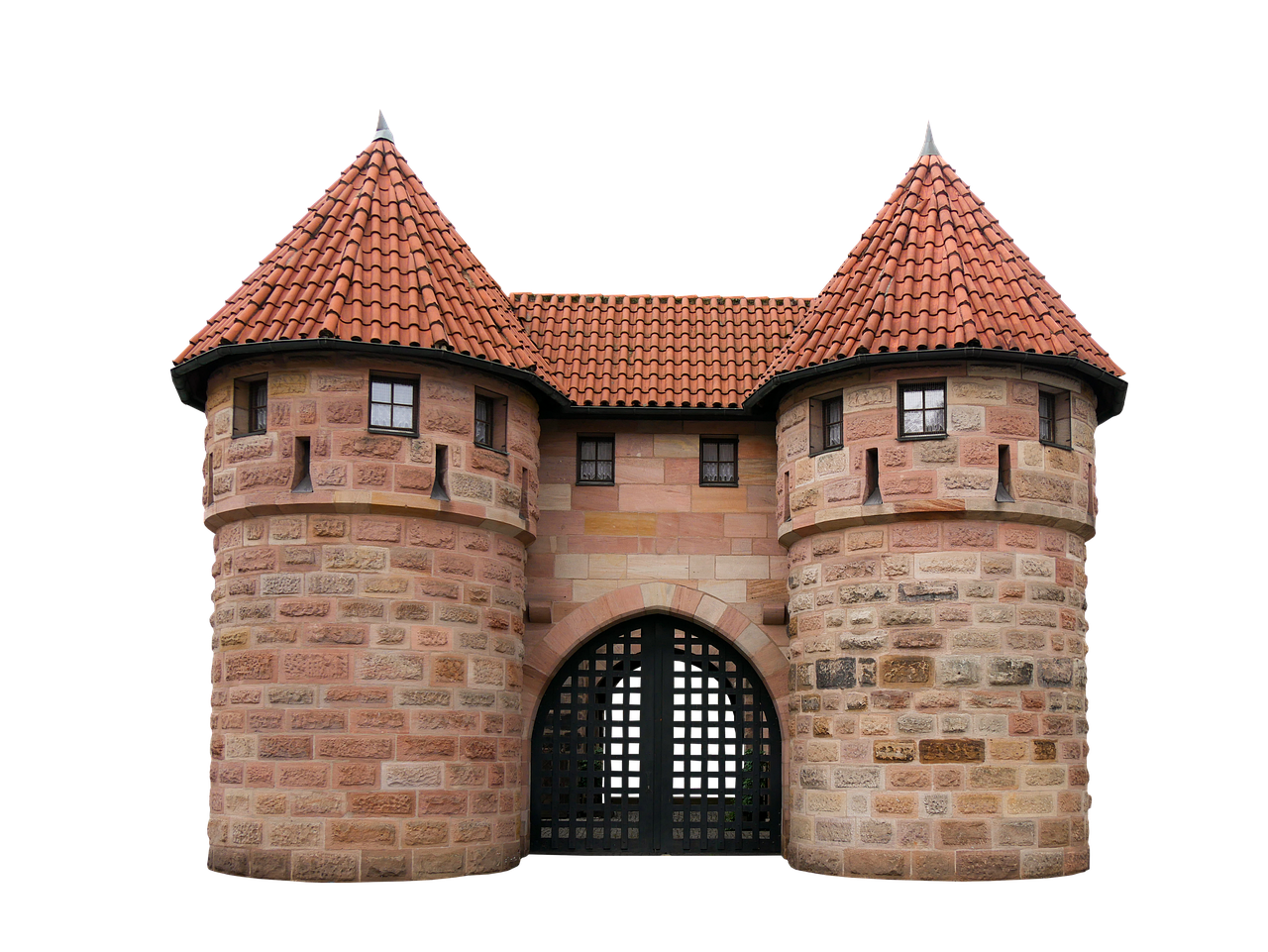
Nuremberg wears its history unflinchingly — from its impeccably restored Kaiserburg imperial castle and Gothic churches to the Nazi Party Rally Grounds and the sobering Documentation Center. Climb the Sinwell Tower for city views, then stroll the Hauptmarkt — home to the famous Christmas Market and the intricate Schöner Brunnen fountain.
The Documentation Center at the former Nazi party rally grounds provides essential context on totalitarianism and democracy. Pair it with a visit to Albrecht Dürer’s house to appreciate Nuremberg’s dual legacy: artistic brilliance and moral reckoning.
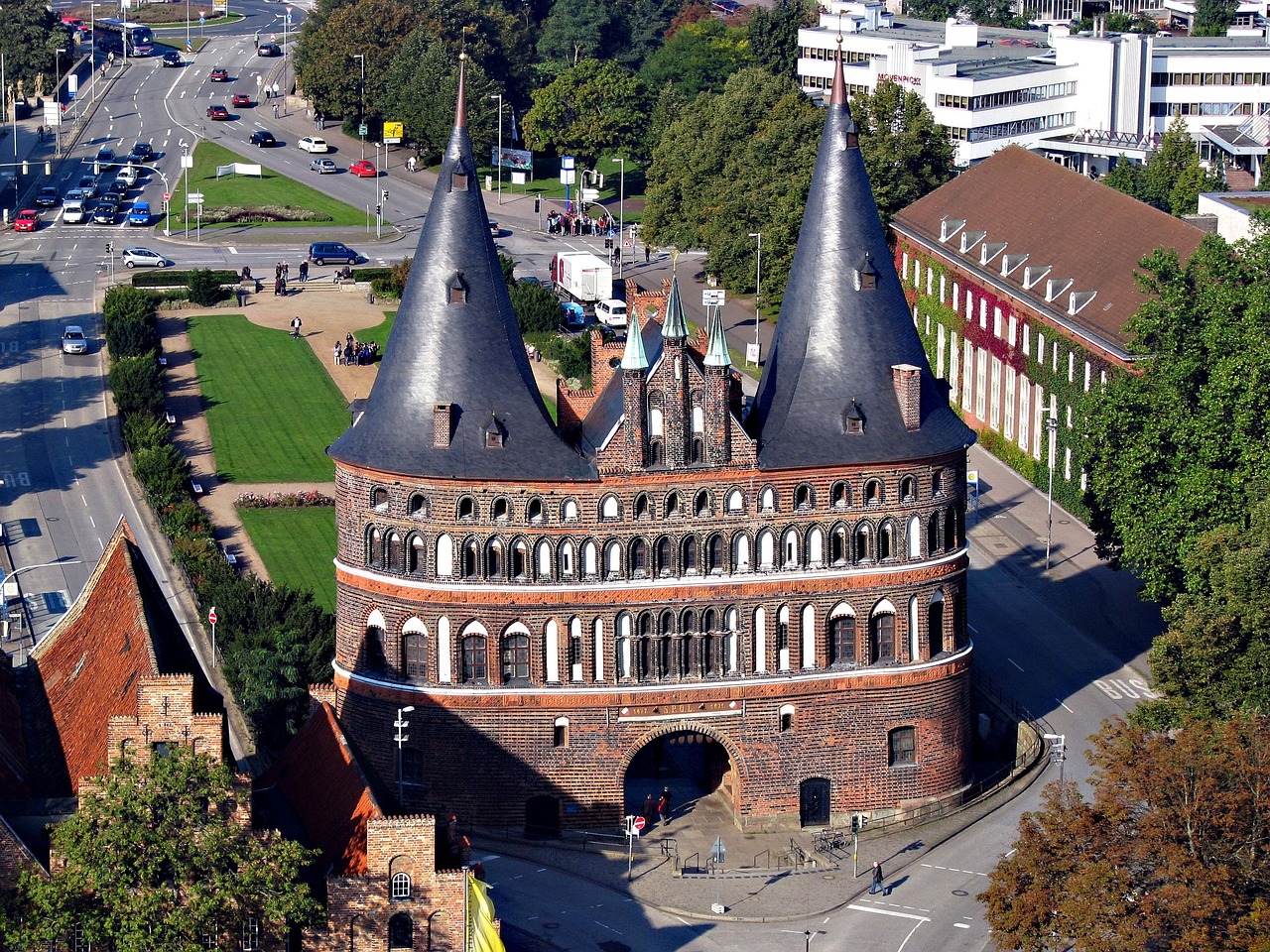
11. Lübeck’s Holstentor & Hanseatic Heritage
Lübeck is the cradle of the Hanseatic League — a 13th-century trading alliance that shaped Northern Europe. Its UNESCO-listed Altstadt centers on the iconic Holstentor gate, flanked by seven spires including the soaring Lübeck Cathedral and St. Mary’s Church (whose collapsed vault inspired Thomas Mann’s ‘Buddenbrooks’).
Wander past marzipan shops (Lübeck invented it!), explore the Burgtor gate and the Salzspeicher salt warehouses, and take a guided tour highlighting the city’s mercantile ingenuity and literary legacy — all within easy walking distance.
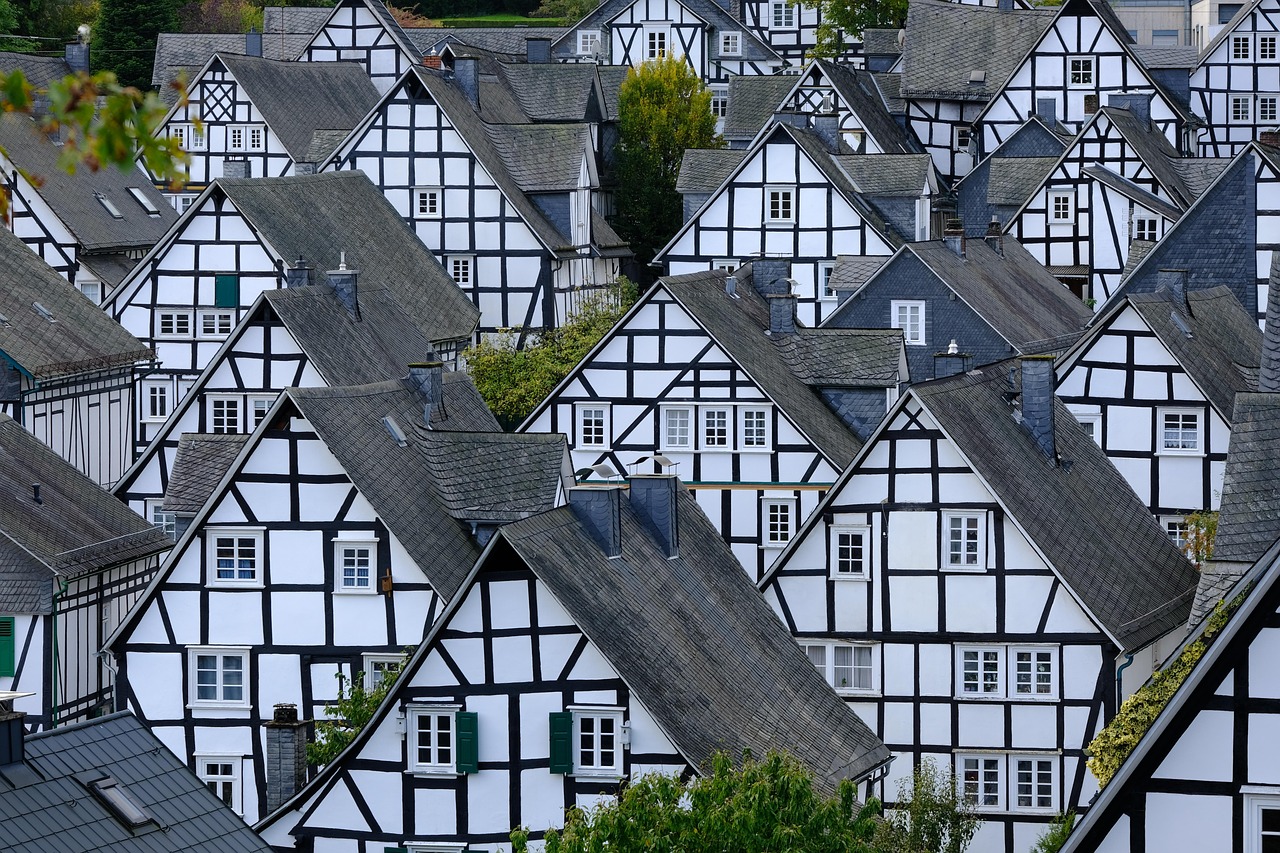
12. Quedlinburg’s Half-Timbered Old Town
With over 1,300 timber-framed houses spanning six centuries, Quedlinburg’s Altstadt is a living museum of German vernacular architecture. A UNESCO site since 1994, it feels like stepping into a Bruegel painting — narrow alleys, flower-box balconies, and the imposing Quedlinburg Castle complex atop the castle hill.
Visit the Collegiate Church of St. Servatius to see Ottonian art treasures and the crypt of Queen Mathilda — founder of the town and wife of Henry the Fowler. For photographers and history lovers alike, Quedlinburg delivers rare authenticity and minimal commercialization.
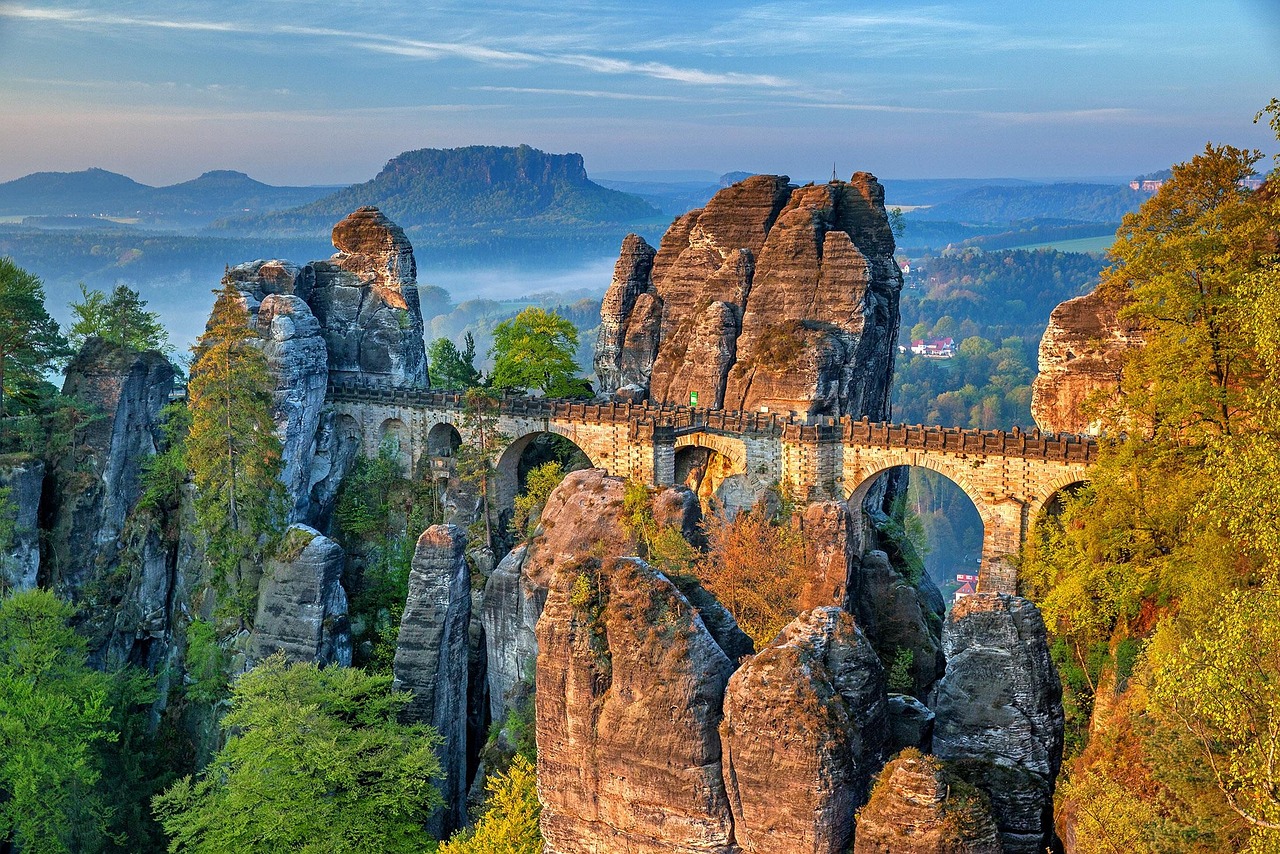
13. Saxon Switzerland National Park & Bastei Bridge
Just east of Dresden, Saxon Switzerland National Park features surreal sandstone formations carved by wind and water over millions of years. The Bastei Bridge — a 76-meter-long sandstone span suspended 194 meters above the Elbe — offers jaw-dropping vistas and photo ops galore.
Hike the Kirnitzschtal valley, climb the Lilienstein plateau, or rent a canoe to paddle past towering cliffs. The park is ideal for active travelers seeking solitude, geology insights, and Instagram-worthy panoramas — all within Germany’s eastern cultural corridor.
14. The Rhine Valley: Marksburg Castle & Lorelei Rock
The Middle Rhine Valley is a UNESCO World Heritage stretch where vineyard-clad slopes meet medieval castles and legends. Cruise between Koblenz and Rüdesheim to spot over 40 fortresses — including Marksburg, the only hilltop castle on the Rhine never destroyed. Its authentic interiors and knightly reenactments bring history vividly to life.
Pause at Lorelei Rock — a steep slate cliff said to lure sailors with the siren song of a mythical maiden. Today, it’s best enjoyed from a riverside bench with Riesling in hand. Combine with a visit to Bacharach or St. Goar for postcard-perfect Rhine romance.
15. Füssen & the Alpine Lakes: Schwetzingen & Hopfensee
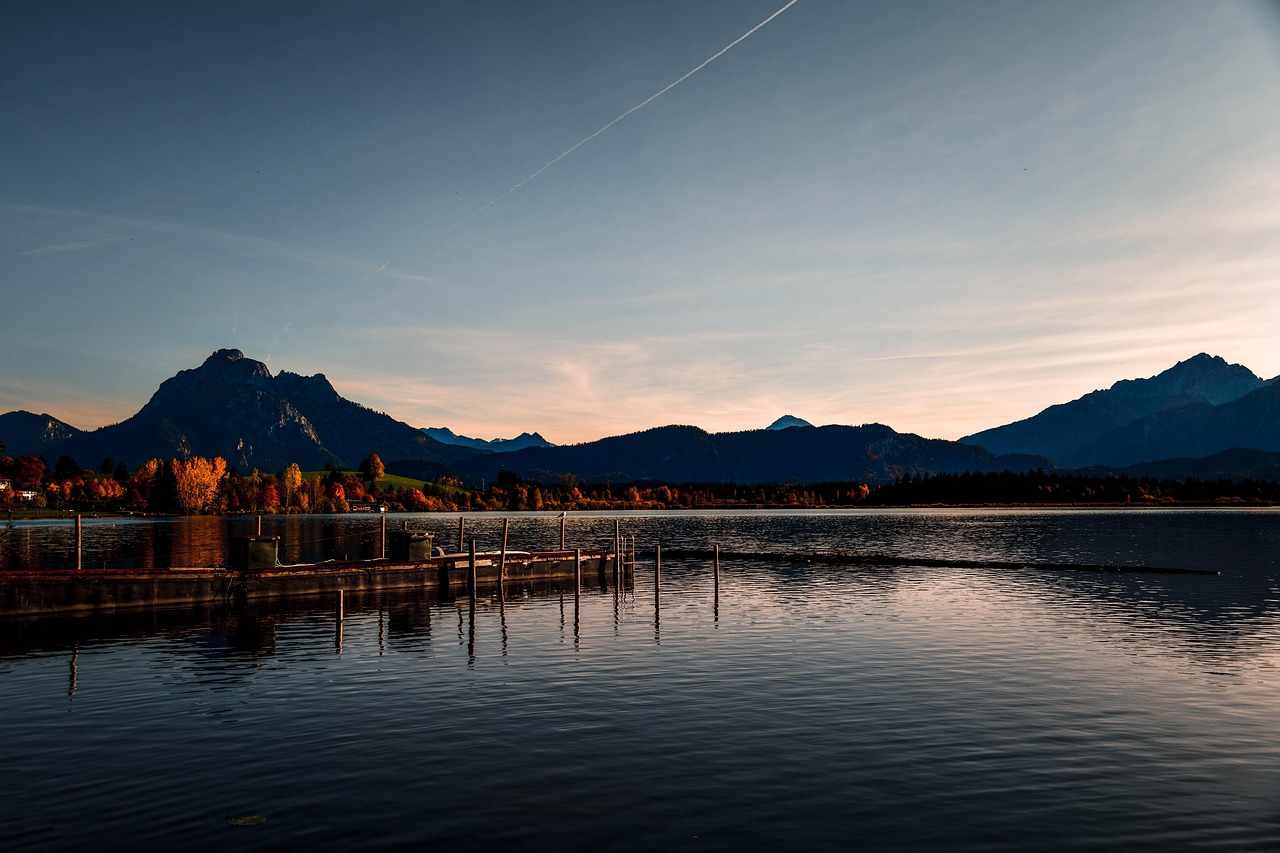
Füssen serves as the alpine gateway to southern Bavaria — less crowded than Garmisch but equally stunning. Base yourself here to explore the crystal-clear Hopfensee lake, the fairytale Schwetzingen Palace gardens (not to be confused with the more famous Schwetzingen near Heidelberg), and the tranquil Forggensee reservoir.
Hike the Tegelberg cable car route, rent e-bikes along scenic lake paths, or simply unwind in a lakeside beer garden watching paragliders drift over the Alps. Füssen embodies the peaceful, rejuvenating side of the 15 must-visit places in Germany — perfect for ending your journey on a tranquil note.
These 15 must-visit places in Germany reveal the country’s extraordinary range: imperial legacies and democratic milestones, fairy-tale castles and cutting-edge cities, dense forests and sparkling lakes. Whether you’re planning a 10-day highlights tour or a month-long regional deep dive, prioritize authenticity over speed — linger in a Heidelberg café, join a local wine tasting in the Rhineland, or hike a Black Forest trail at dawn. Remember: the best German travel experiences unfold not just at landmarks, but in conversations with shopkeepers, spontaneous tram rides, and quiet moments beside ancient stones. Start mapping your itinerary today — because these 15 must-visit places in Germany aren’t just destinations. They’re invitations to understand a nation still thoughtfully reinventing itself — one unforgettable place at a time.