Why These 15 Places to Visit in Japan Define the Ultimate Travel Experience
Japan is a land of captivating contrasts — where centuries-old shrines stand beside neon-lit skyscrapers, and mist-covered mountains cradle steaming volcanic hot springs. Choosing the right places to visit in Japan can make or break your trip, especially if you’re balancing cultural depth, natural beauty, and authentic local life. This curated list of the 15 best places to visit in Japan reflects expert traveler insights, seasonal relevance, accessibility, and UNESCO recognition — ensuring every destination delivers unforgettable value.
Whether you’re planning your first journey to Japan or returning for deeper exploration, these iconic and underrated locations represent the soul of the archipelago. From Kyoto’s golden pavilions to Hokkaido’s lavender fields, each spot offers unique access to Japanese history, craftsmanship, cuisine, and hospitality — all essential elements of a truly immersive experience. And yes — these are the most-searched, highest-rated, and most-photographed places to visit in Japan across travel forums, guidebooks, and Google Trends.
1. Kyoto: The Timeless Heart of Traditional Japan
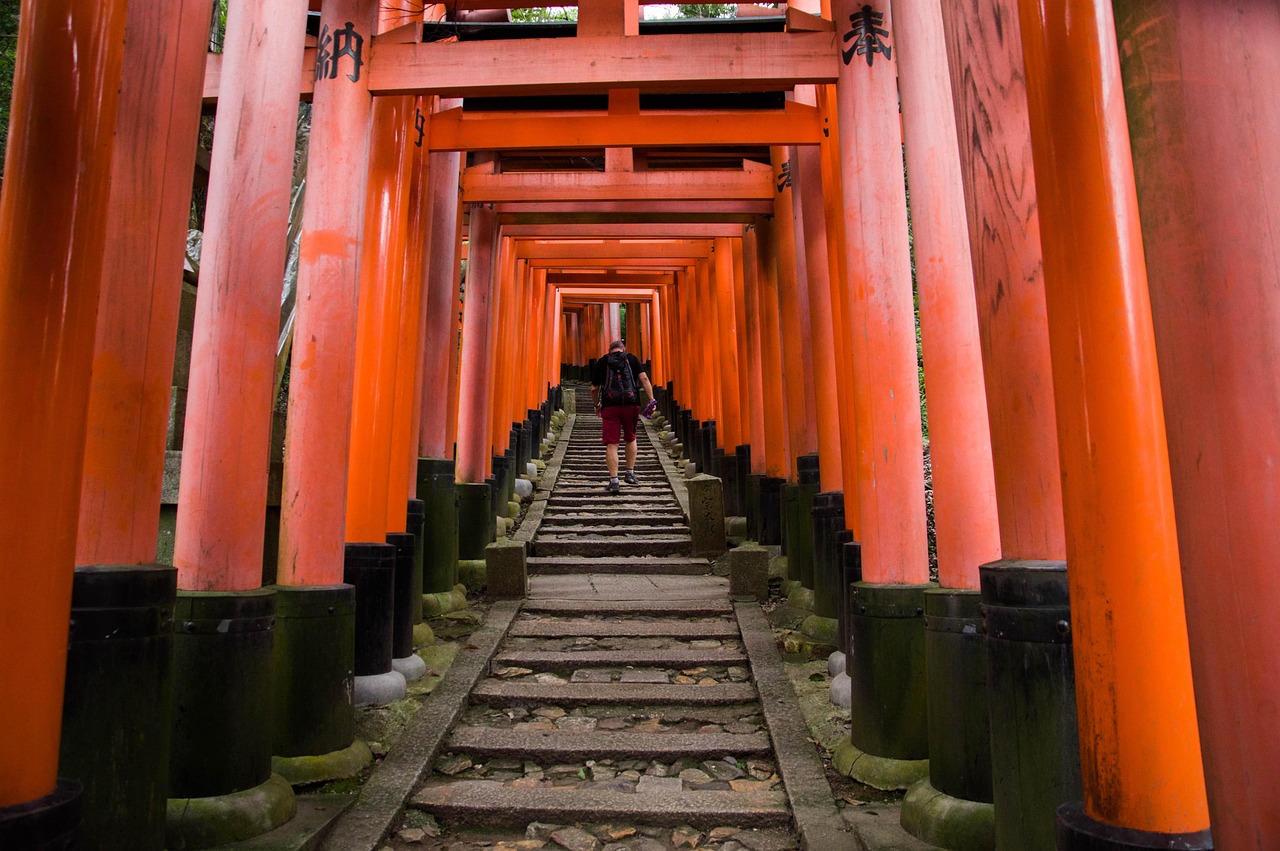
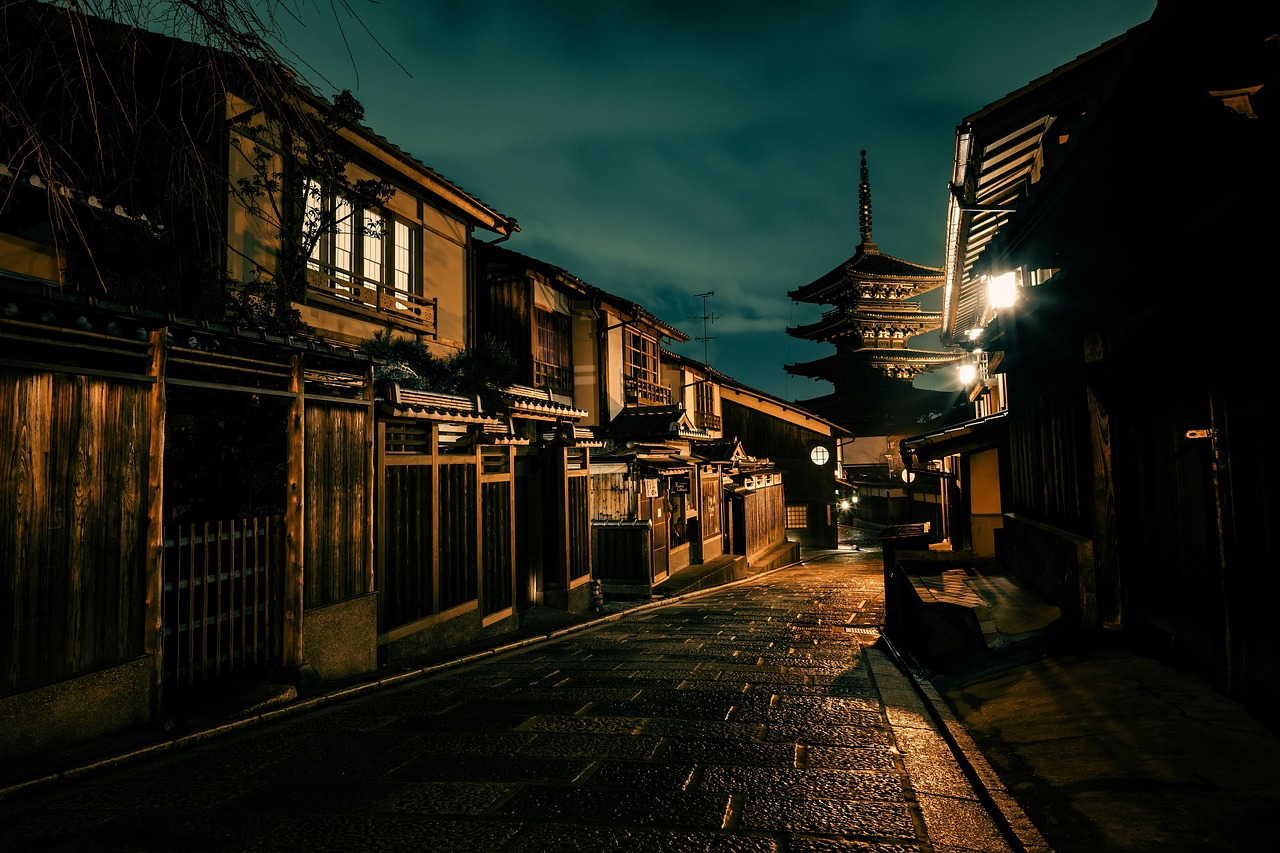
Kyoto remains the undisputed crown jewel among places to visit in Japan. Home to over 1,600 Buddhist temples, 400 Shinto shrines, and 17 UNESCO World Heritage Sites, Kyoto offers unparalleled access to classical Japanese aesthetics — from Zen rock gardens to geisha districts. Don’t miss Fushimi Inari Shrine’s thousands of vermillion torii gates, Kinkaku-ji’s shimmering Golden Pavilion, and the moss-draped serenity of Saihō-ji (Kokedera).
For the best cultural immersion, time your visit during cherry blossom season (late March–early April) or autumn foliage (November), when temples like Tōfuku-ji transform into living paintings. Kyoto is also one of the top places to visit in Japan for food lovers — try kaiseki dining in Gion or matcha sweets in Nishiki Market.
2. Tokyo: Where Innovation Meets Tradition
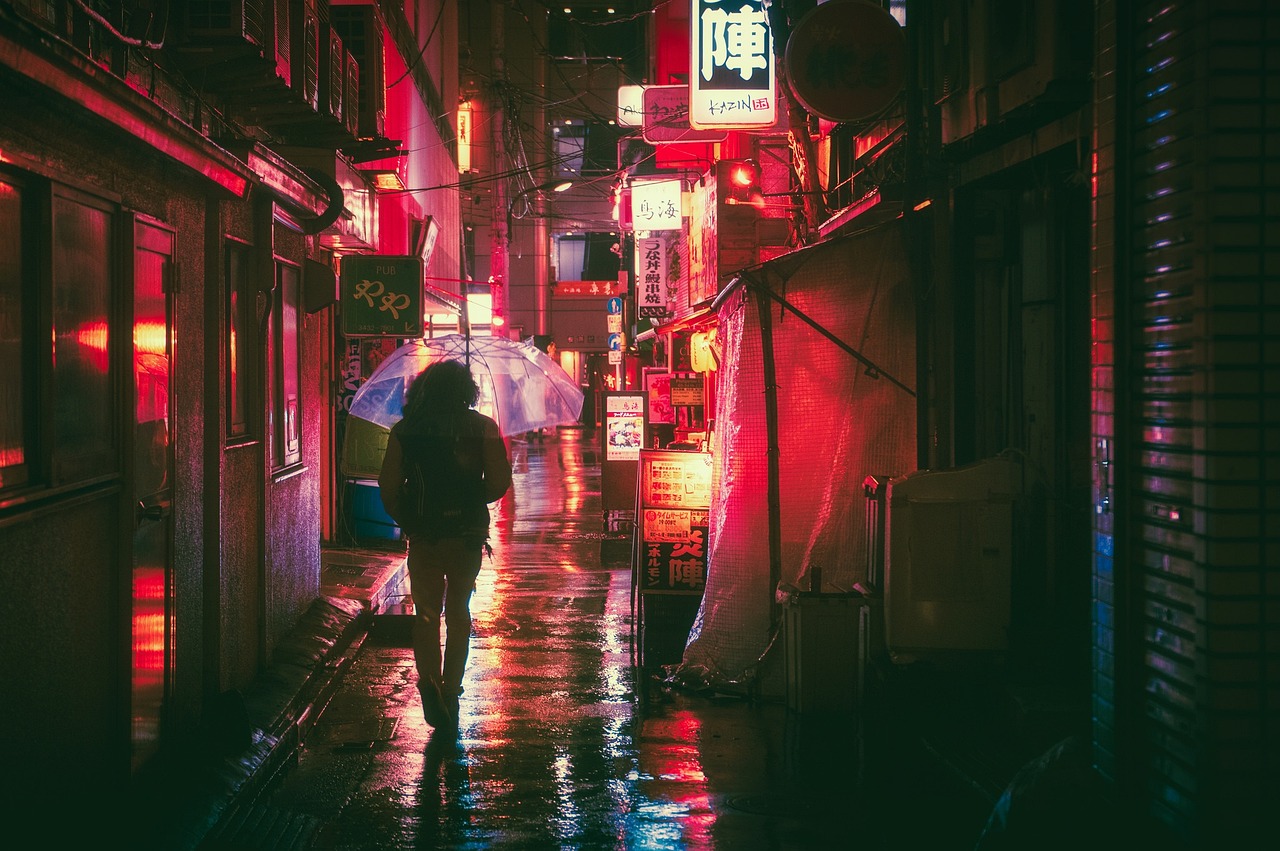
As Japan’s pulsating capital, Tokyo is one of the most dynamic places to visit in Japan — blending hyper-modern infrastructure with deep-rooted customs. Explore Shibuya Crossing’s kinetic energy, Akihabara’s anime-fueled electronics culture, and Asakusa’s historic Senso-ji Temple — all within a single day. For a quieter contrast, stroll through the Edo-era streets of Yanaka Ginza or relax in the imperial grandeur of Ueno Park.
Tokyo is also a top destination among places to visit in Japan for culinary adventurers: Michelin-starred sushi in Tsukiji, ramen alleys in Shinjuku, and depachika (department store basements) overflowing with gourmet bento boxes. Pro tip: Book a guided walking tour of hidden alleyways in Kagurazaka for authentic tea house encounters.

3. Osaka: Japan’s Culinary Capital & Vibrant Urban Hub
Osaka earns its reputation as one of the friendliest and most fun-loving places to visit in Japan — and it’s no secret why. Known as ‘Japan’s kitchen’, this Kansai metropolis serves up street food legends like takoyaki (octopus balls) and okonomiyaki (savory pancakes) in Dotonbori’s glowing canal district. Beyond the bites, Osaka Castle stands as a majestic testament to samurai history, while Universal Studios Japan offers world-class entertainment.
For off-the-beaten-path charm, explore the canals and historic merchant homes of Kitashinchi or take a day trip to nearby Sumiyoshi Taisha — one of Japan’s oldest Shinto shrines. Osaka is also a top choice among places to visit in Japan for families and solo travelers seeking approachable, energetic vibes.
4. Hiroshima: A City of Peace, Resilience, and Natural Beauty
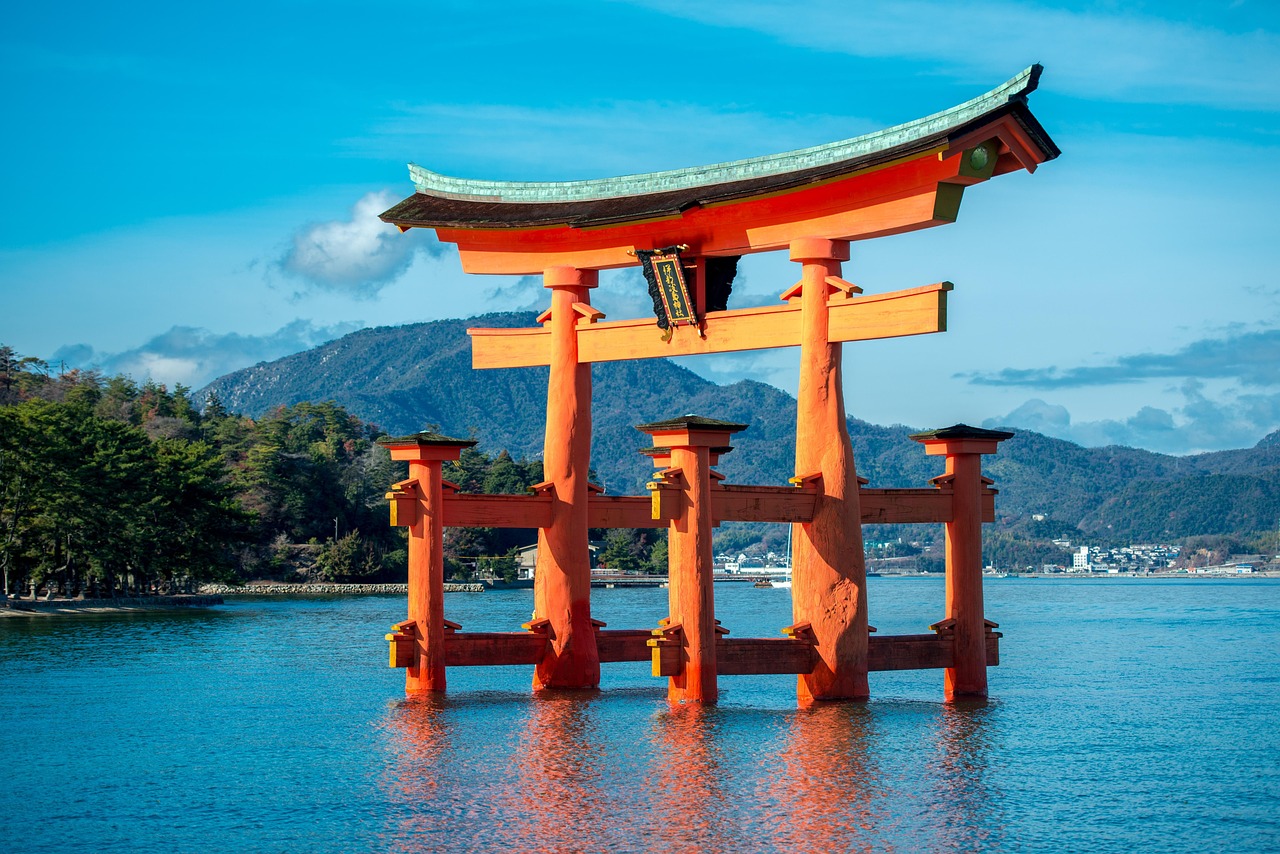
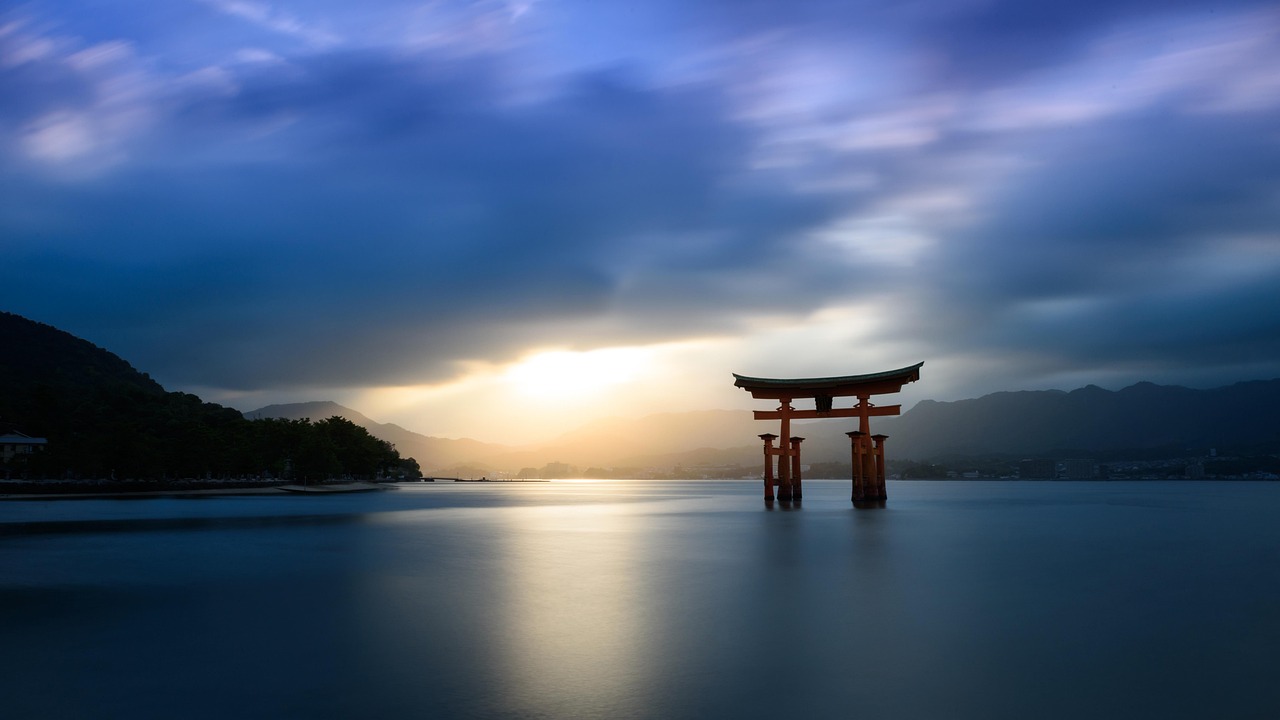
Hiroshima is among the most meaningful places to visit in Japan — not only for its poignant Peace Memorial Park and Atomic Bomb Dome (a UNESCO site), but also for its stunning island-hopping opportunities. Miyajima Island, accessible by ferry, features the famous ‘floating’ Itsukushima Shrine and wild deer roaming freely among maple-shaded paths.
Don’t skip Hiroshima’s regional specialties: savory okonomiyaki with a distinct layered style, and oysters harvested fresh from the Seto Inland Sea. With efficient rail links to Kyoto and Osaka, Hiroshima is an essential stop among the most historically resonant places to visit in Japan.
5. Nara: Where Sacred Deer Roam Ancient Temples
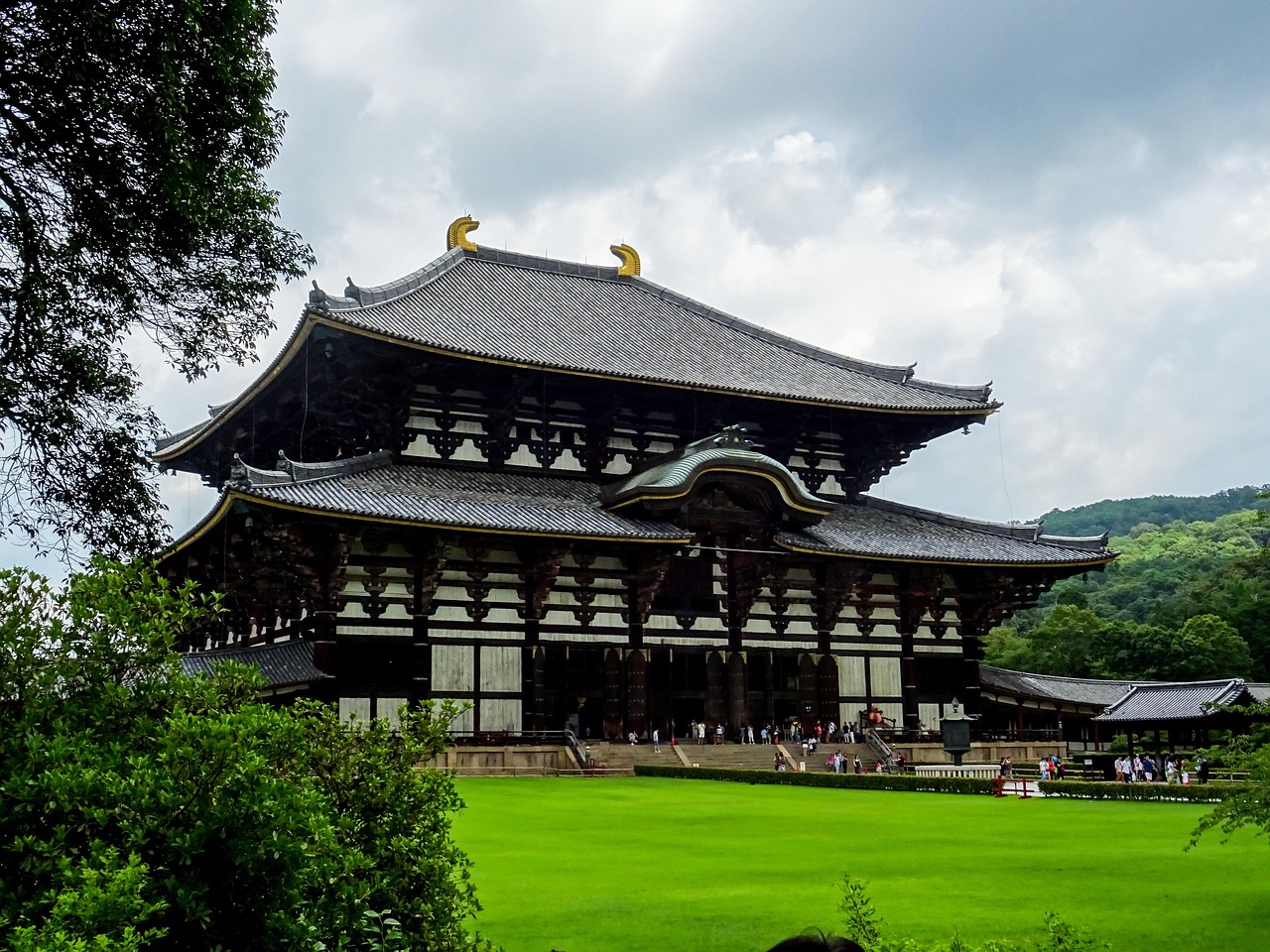
Just an hour from Kyoto, Nara is one of the most charming and accessible places to visit in Japan — and arguably the country’s first permanent capital. At Todai-ji Temple, marvel at the Great Buddha statue housed in the world’s largest wooden building. Meanwhile, Nara Park’s 1,200+ free-roaming sika deer bow politely for senbei crackers — a uniquely Japanese interaction.
Nara’s compact size makes it ideal for half-day excursions, yet its historical weight rivals Kyoto’s. Add Kasuga Taisha’s lantern-lined paths and the tranquil beauty of Yoshino Mountain (famous for 30,000 cherry trees) to your list of essential places to visit in Japan — especially in spring.
6. Hakone: Volcanic Landscapes & Luxury Onsen Retreats
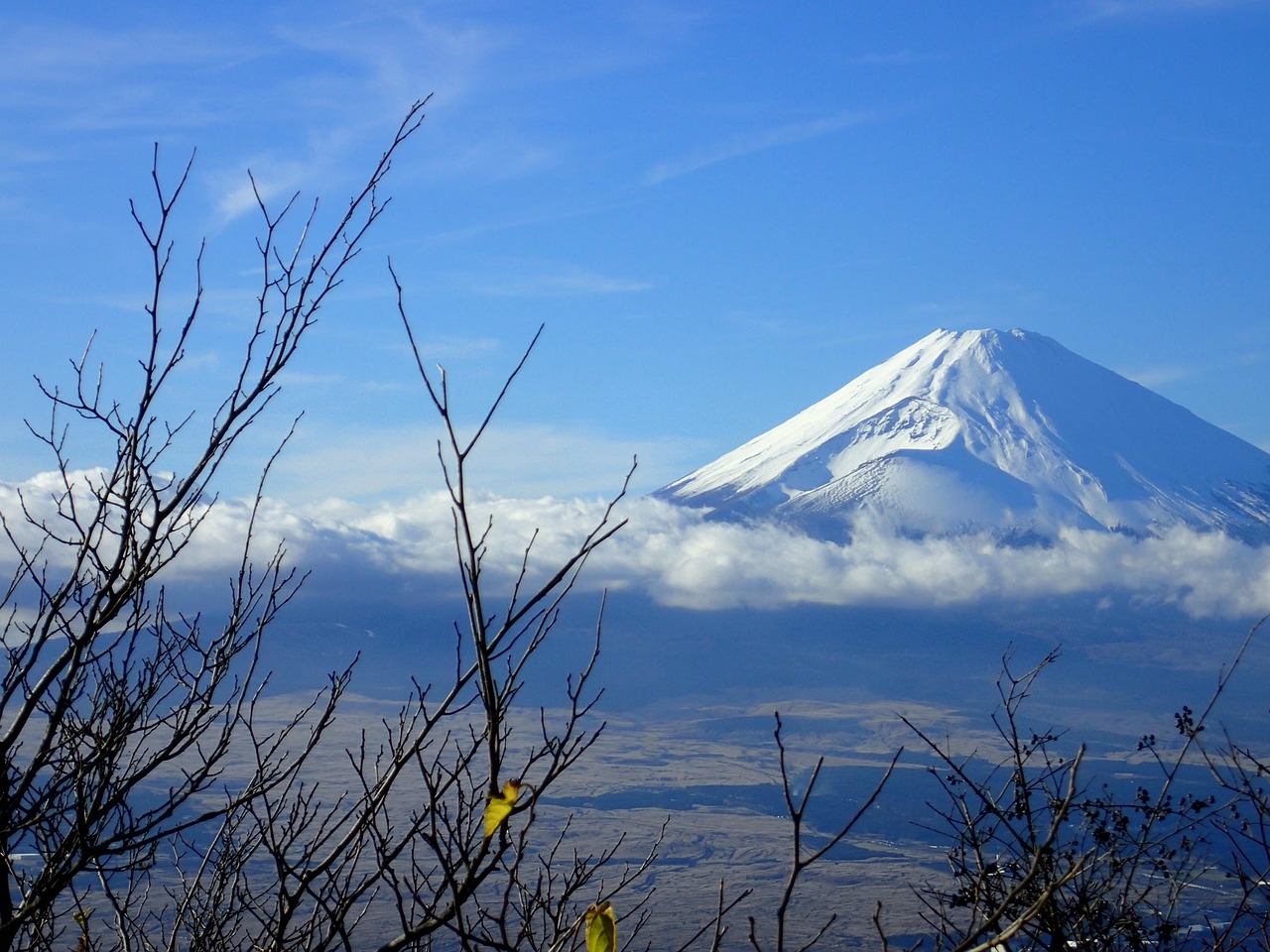
Nestled in the Fuji-Hakone-Izu National Park, Hakone is one of the premier places to visit in Japan for nature lovers and relaxation seekers. Famous for its sulfur-scented hot springs, black eggs boiled in volcanic vents, and panoramic views of Mount Fuji (on clear days), Hakone offers both adventure and indulgence. Ride the scenic Hakone Ropeway over Owakudani Valley, cruise Lake Ashi aboard a pirate-themed ship, or soak in ryokan baths overlooking forested gorges.
Hakone is also among the most popular places to visit in Japan for romantic getaways and wellness tourism. Many traditional ryokans include kaiseki dinners and private open-air onsen — making it a top-tier destination for experiential luxury.
7. Kanazawa: The Well-Preserved Samurai & Geisha District
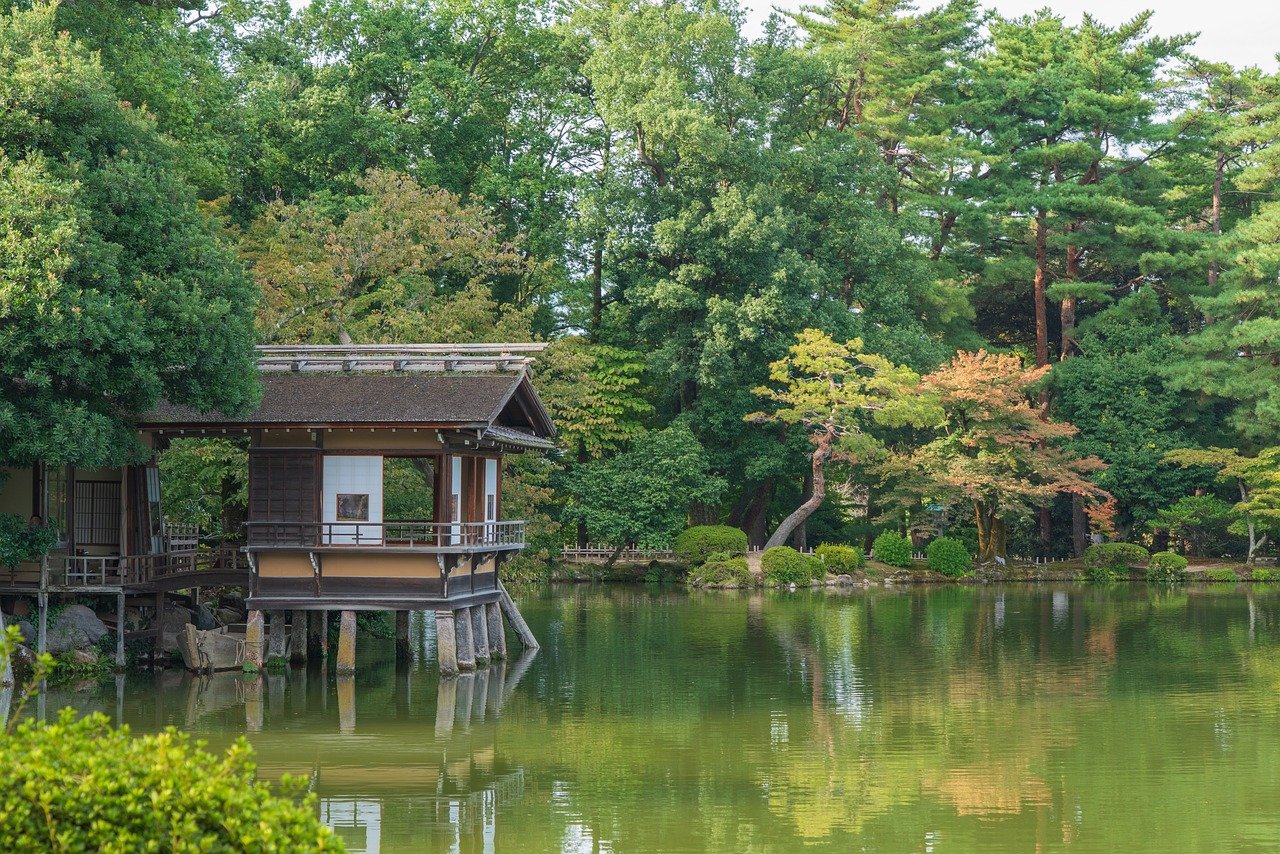
Often called ‘Little Kyoto’, Kanazawa shines as one of the most underrated yet rewarding places to visit in Japan. Its impeccably preserved Higashi Chaya District transports you to the Edo period with wooden teahouses and narrow lanes. Kenrokuen Garden — consistently ranked among Japan’s top three landscape gardens — dazzles year-round, especially under snow-laden pines in winter.
Kanazawa is also renowned for gold leaf craftsmanship (used on everything from ice cream to sake cups) and fresh seafood at Omicho Market. With fewer international crowds than Kyoto and excellent JR Pass connectivity, Kanazawa is a smart, enriching addition to any list of places to visit in Japan.
8. Takayama: Alpine Charm & Edo-Era Craftsmanship
Tucked in the mountainous Hida region, Takayama feels like stepping into a storybook — and ranks high among the most atmospheric places to visit in Japan. Its beautifully preserved old town features sake breweries, artisan woodworking studios, and morning markets selling pickled vegetables and Hida beef skewers.
Time your visit for the biannual Takayama Festival (spring and autumn), when ornate floats adorned with intricate carvings parade through town. With easy access from Nagoya and proximity to Shirakawa-go, Takayama is a cornerstone destination among the most culturally immersive places to visit in Japan.
9. Shirakawa-go: UNESCO-Rated Gassho-Zukuri Villages
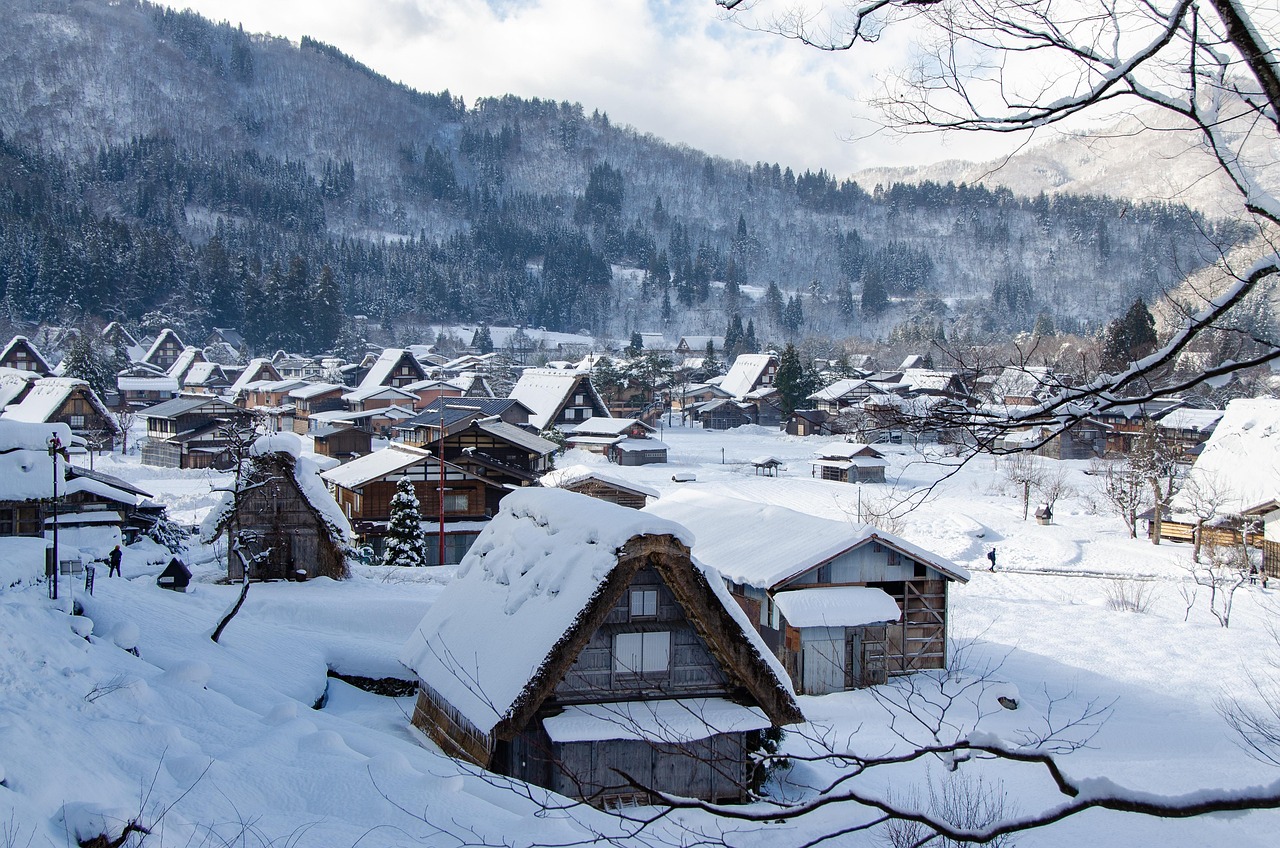
Shirakawa-go is one of the most visually arresting places to visit in Japan — famed for its steep-thatched ‘praying hands’ farmhouses (gassho-zukuri), some over 250 years old. Designated a UNESCO World Heritage Site, this remote mountain village offers immersive homestays, seasonal festivals, and breathtaking winter illuminations that transform snow-covered roofs into golden glows.
Pair Shirakawa-go with nearby Gokayama for a deeper dive into rural heritage. While less accessible than urban centers, its authenticity and tranquility make it one of the most memorable places to visit in Japan — especially for photographers and cultural historians.
10. Hokkaido (Sapporo & Furano): Wild Nature & Seasonal Splendor
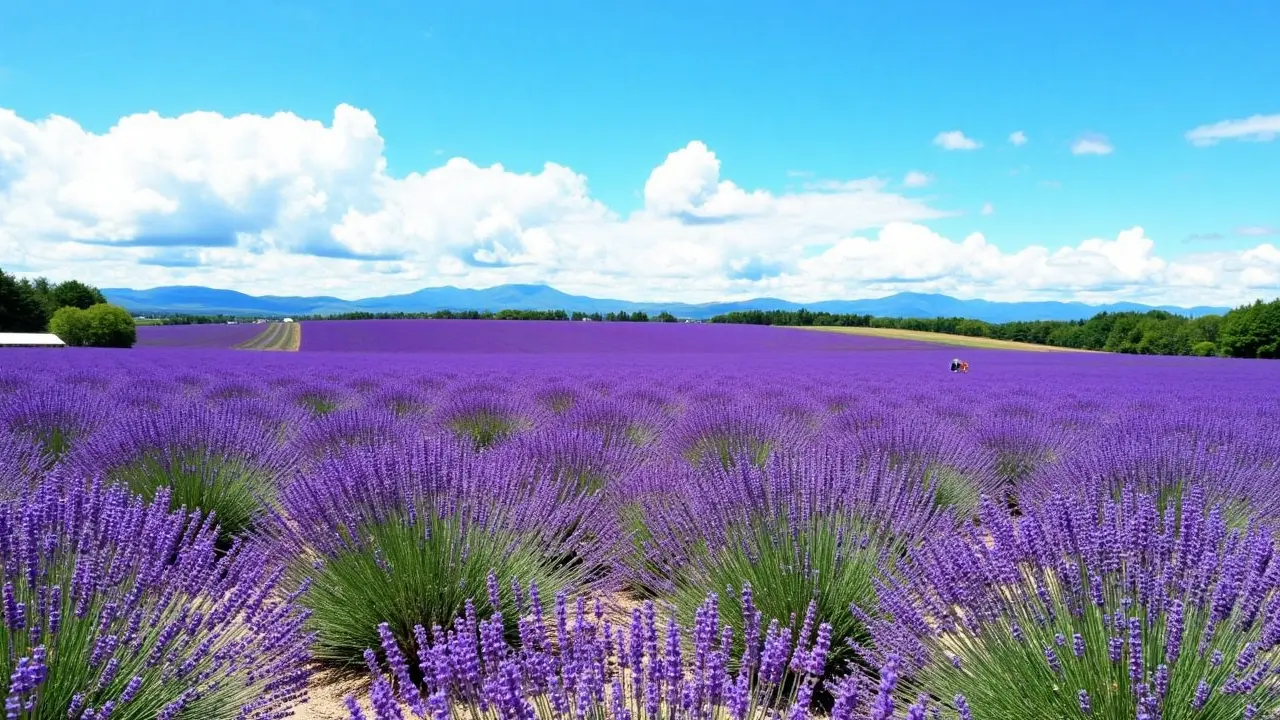
Hokkaido, Japan’s northernmost island, redefines what it means to be among the most diverse places to visit in Japan. Sapporo dazzles during the February Snow Festival with colossal ice sculptures, while Furano enchants with lavender fields in summer and ski resorts like Niseko in winter. Don’t miss the coastal beauty of Otaru’s canal or the wildlife-rich wetlands of Kushiro.
Hokkaido is also a top destination among places to visit in Japan for foodies — think creamy dairy, fresh uni (sea urchin), and miso ramen. Its spacious landscapes, slower pace, and distinct Ainu cultural influences offer a refreshing counterpoint to Honshu’s intensity.
11. Okinawa (Naha & Ishigaki): Tropical Islands & Ryukyuan Culture
Okinawa offers a completely different flavor among the places to visit in Japan — think turquoise waters, coral reefs, and a distinct Ryukyuan heritage shaped by China, Japan, and Southeast Asia. Naha charms with Shuri Castle (reconstructed after 2019 fire), while Ishigaki beckons with star-sand beaches and snorkeling at Kabira Bay.
Okinawan cuisine — featuring goya champuru, umibudo (sea grapes), and awamori liquor — adds another layer of uniqueness. As one of the most relaxed and sun-drenched places to visit in Japan, Okinawa is ideal for beach lovers, divers, and those seeking cultural diversity beyond mainland norms.

12. Nikko: Lavish Shrines Amidst Ancient Forests
Nikko is one of the most opulent places to visit in Japan — home to the lavishly decorated Toshogu Shrine, burial site of Tokugawa Ieyasu. Carved dragons, painted peacocks, and the famous ‘See No Evil, Hear No Evil, Speak No Evil’ monkeys make it unforgettable. Surrounded by UNESCO-listed forests and waterfalls like Kegon Falls, Nikko blends spiritual grandeur with alpine adventure.
Accessible via a scenic two-hour train ride from Tokyo, Nikko is perfect for a day trip or overnight stay in a traditional minshuku. It’s among the most historically layered and visually rich places to visit in Japan — especially in autumn, when maple tunnels blaze crimson.
13. Miyajima (Itsukushima): Sacred Island & Floating Torii
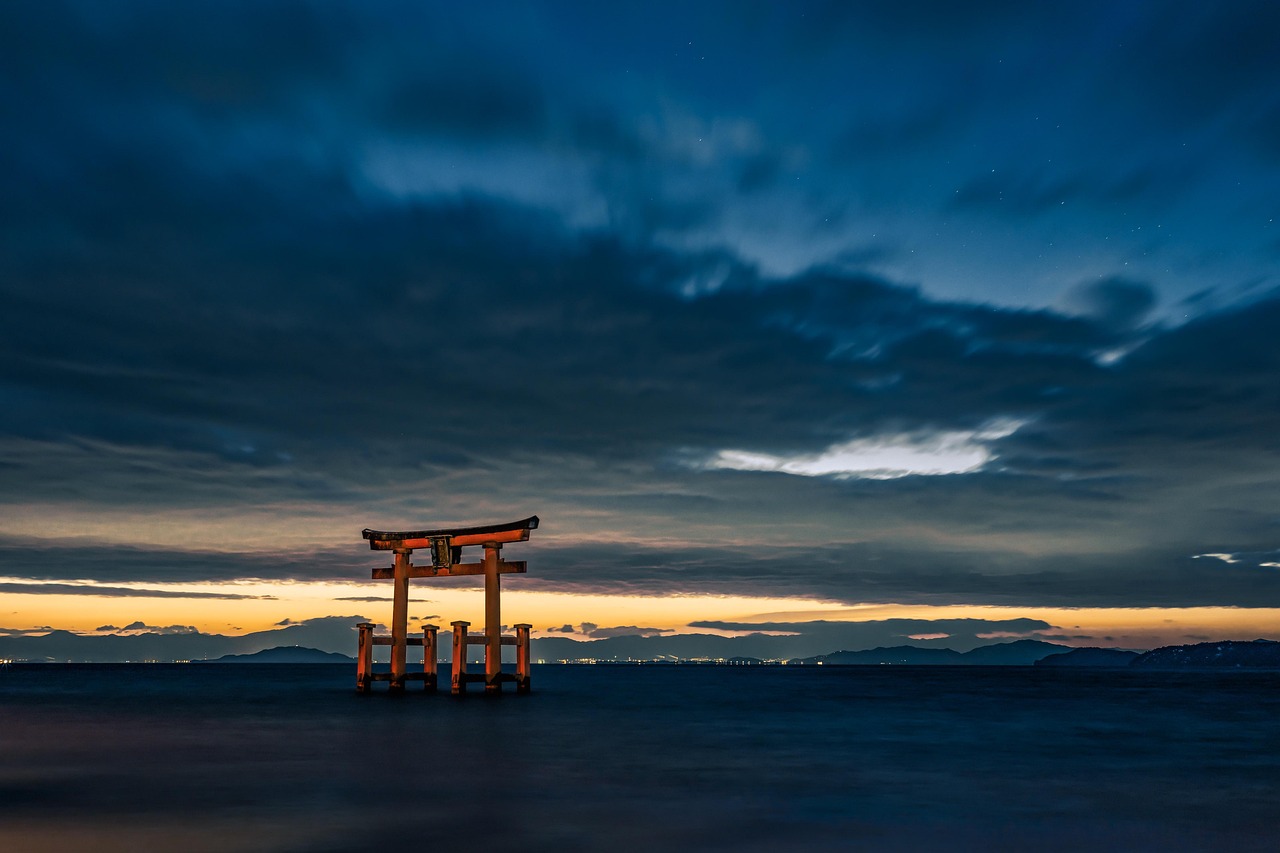
Though briefly mentioned with Hiroshima, Miyajima deserves its own spotlight as one of the most spiritually evocative places to visit in Japan. Beyond the floating torii, explore Daisho-in Temple’s thousand stone Jizo statues, hike Mount Misen for sunset panoramas, and taste momiji manju (maple-leaf-shaped cakes).
Miyajima’s harmony of sea, shrine, and forest embodies the Shinto principle of kami (spirit) residing in nature — making it one of the most contemplative and photogenic places to visit in Japan. Stay overnight to experience the island’s quiet magic after day-trippers depart.
14. Koyasan: Mountain Monastery & Overnight Temple Stay
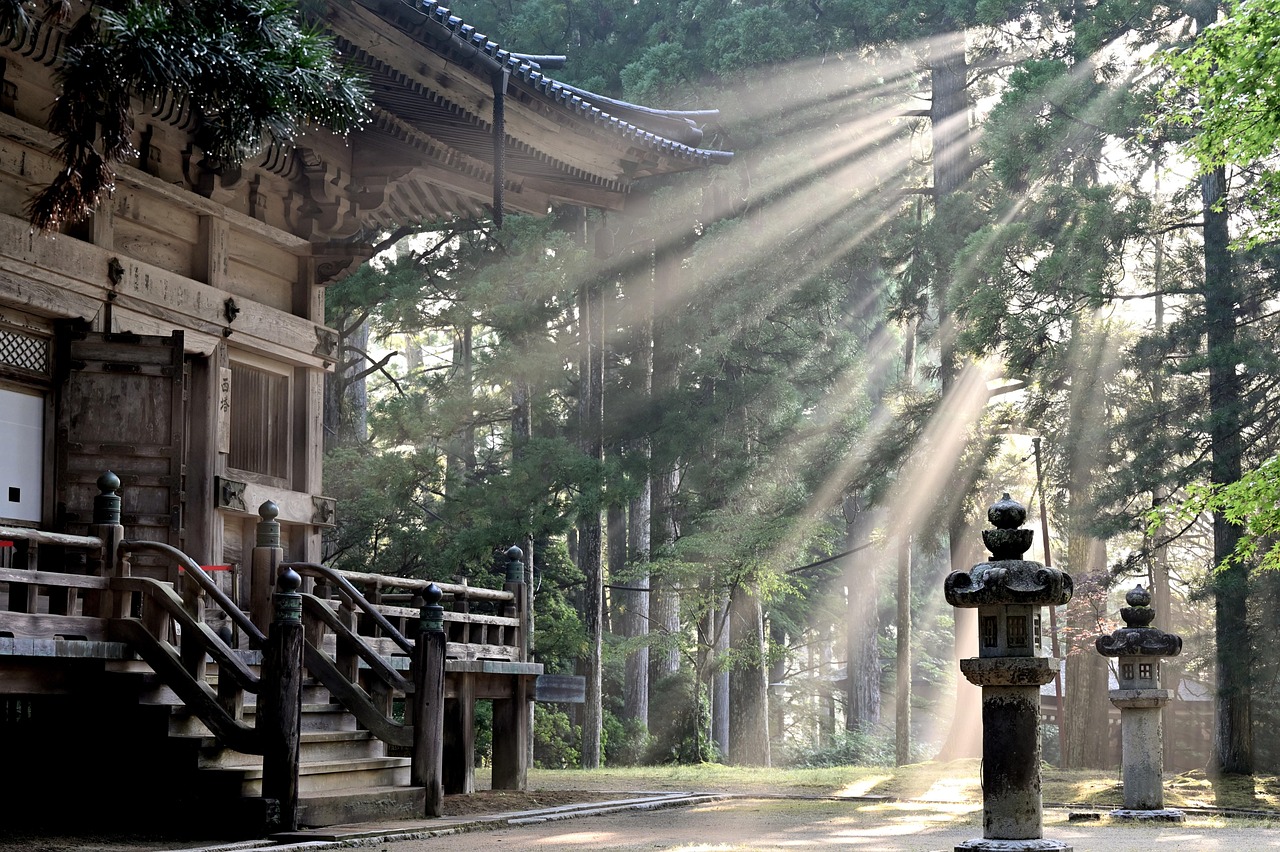
Perched atop Mount Koya, Koyasan is one of the most sacred and meditative places to visit in Japan — headquarters of Shingon Buddhism since 816 CE. Wander the Okunoin Cemetery, Japan’s largest, lined with moss-covered stupas and lanterns lit continuously for over 1,000 years. Then spend the night in a shukubo temple, participating in morning prayers and vegetarian shojin ryori meals.
Koyasan is among the most transformative places to visit in Japan for mindful travel — offering silence, ritual, and profound connection to Japan’s spiritual roots. Accessible via cable car and bus from Wakayama, it’s a deeply rewarding detour for reflective travelers.
15. Naoshima: Art Island in the Seto Inland Sea
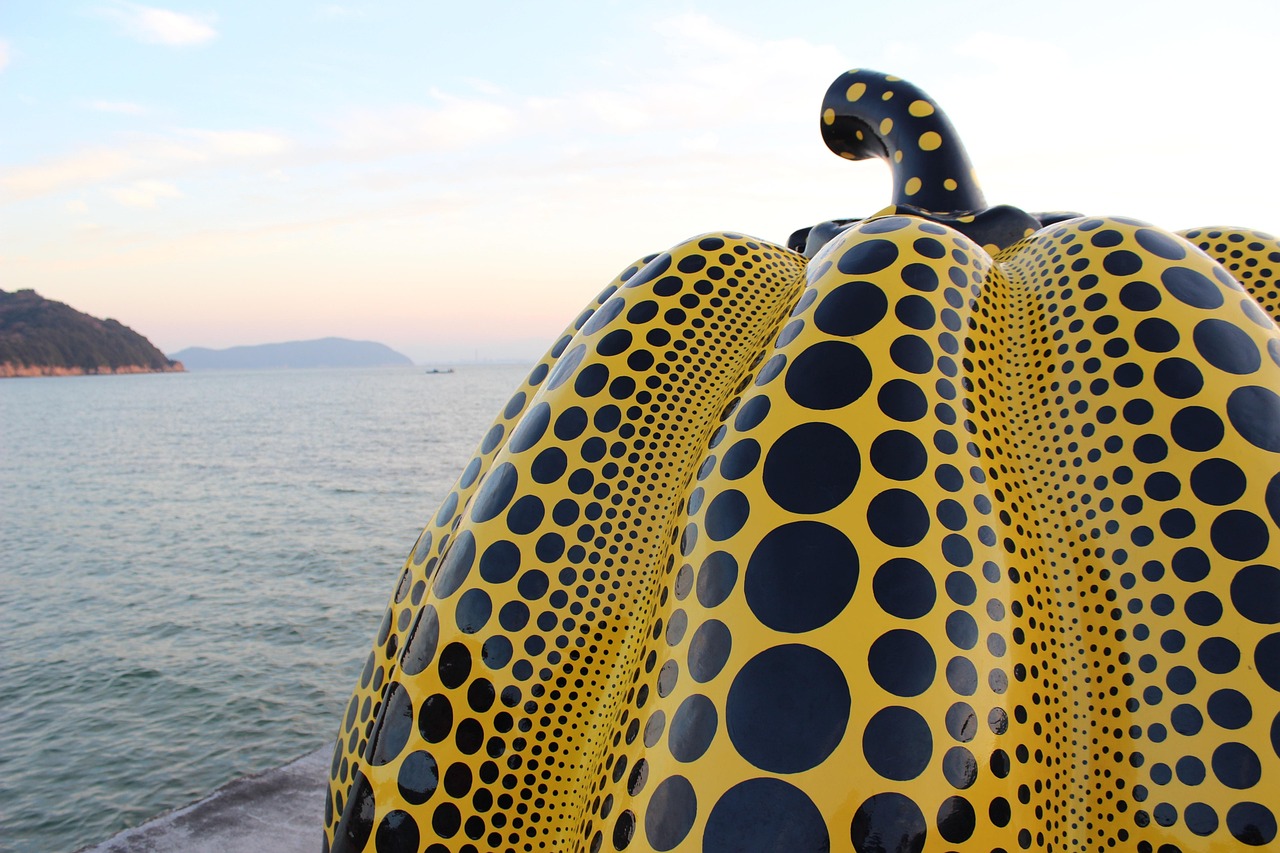
Naoshima is one of the most innovative places to visit in Japan — a tiny island transformed into an open-air museum of contemporary art. Home to the iconic Yayoi Kusama pumpkin, Tadao Ando’s concrete masterpieces, and the Chichu Art Museum built into a hillside, Naoshima merges nature, architecture, and creativity seamlessly.
This island proves that the best places to visit in Japan aren’t just about tradition — they’re also about bold vision and thoughtful curation. Ideal for art lovers and design enthusiasts, Naoshima is a fitting, inspiring finale to any list of the top places to visit in Japan.
From ancient shrines in Kyoto to avant-garde installations on Naoshima, these 15 places to visit in Japan collectively tell the full story of a nation — rooted in reverence, energized by innovation, and endlessly generous in beauty. Whether you’re drawn to seasonal wonders, culinary adventures, spiritual retreats, or family-friendly thrills, each destination offers something irreplaceable. To maximize your experience, consider purchasing a Japan Rail Pass, booking accommodations early (especially ryokans and temple stays), and learning a few basic Japanese phrases — locals deeply appreciate the effort. Start planning now: the best places to visit in Japan await your curiosity, respect, and sense of wonder.