
Why Food Travel Destinations Are the Ultimate Cultural Immersion
Food travel destinations offer far more than just delicious meals — they’re gateways to history, tradition, community, and identity. When you explore a city through its food travel destinations, you engage all five senses while connecting with generations of culinary wisdom. Whether it’s the smoky aroma of wood-fired tamales in Mexico City or the rhythmic chop of fresh herbs in a Hanoi pho kitchen, every bite tells a story.
Today’s travelers increasingly prioritize experiential over transactional tourism — and food travel destinations rank among the top motivators for international trips. According to the World Food Travel Association, 75% of global travelers consider local cuisine a primary reason for choosing a destination. That’s why we’ve curated this definitive guide to the world’s most unforgettable food travel destinations — each selected for authenticity, diversity, accessibility, and deep-rooted culinary heritage.
Bangkok, Thailand: A Symphony of Sweet, Sour, Salty & Spicy
Bangkok is arguably the world’s most electrifying food travel destination. Its street food ecosystem — recognized by UNESCO as part of Bangkok’s Intangible Cultural Heritage — thrives in alleyways, night markets, and canal-side shophouses. Start your day with jok (rice porridge) topped with crispy pork and century egg, then dive into fiery som tam (green papaya salad) and creamy mango sticky rice for dessert.
Don’t miss Yaowarat Road in Chinatown, where chefs grill river prawns over charcoal and simmer oxtail soup for 12 hours. For true authenticity, join a local-led food tour that takes you beyond Khao San Road to hidden gems like Thonburi’s floating markets — where vendors paddle boats laden with coconut pancakes and fermented fish cakes. Bangkok proves that the best food travel destinations reward curiosity, not just convenience.
Oaxaca, Mexico: The Heartland of Mole & Maize Culture
Nestled in southern Mexico’s Sierra Madre mountains, Oaxaca is a cornerstone food travel destination for lovers of pre-Hispanic gastronomy. Here, corn isn’t just a staple — it’s sacred. Artisans still nixtamalize heirloom maize by hand, grinding it on volcanic stone metates to make tortillas so fragrant they perfume entire plazas.
The region’s legendary moles — complex sauces blending up to 30 ingredients — tell stories of conquest, trade, and resilience. Try mole negro at Casa Oaxaca or sample chapulines (toasted grasshoppers) with mezcal at Mercado 20 de Noviembre. Cooking classes with Zapotec matriarchs offer intimate access to recipes passed down for centuries — making Oaxaca one of the most culturally rich food travel destinations on earth.
Lisbon, Portugal: Where Seafood Meets Saffron & Salt
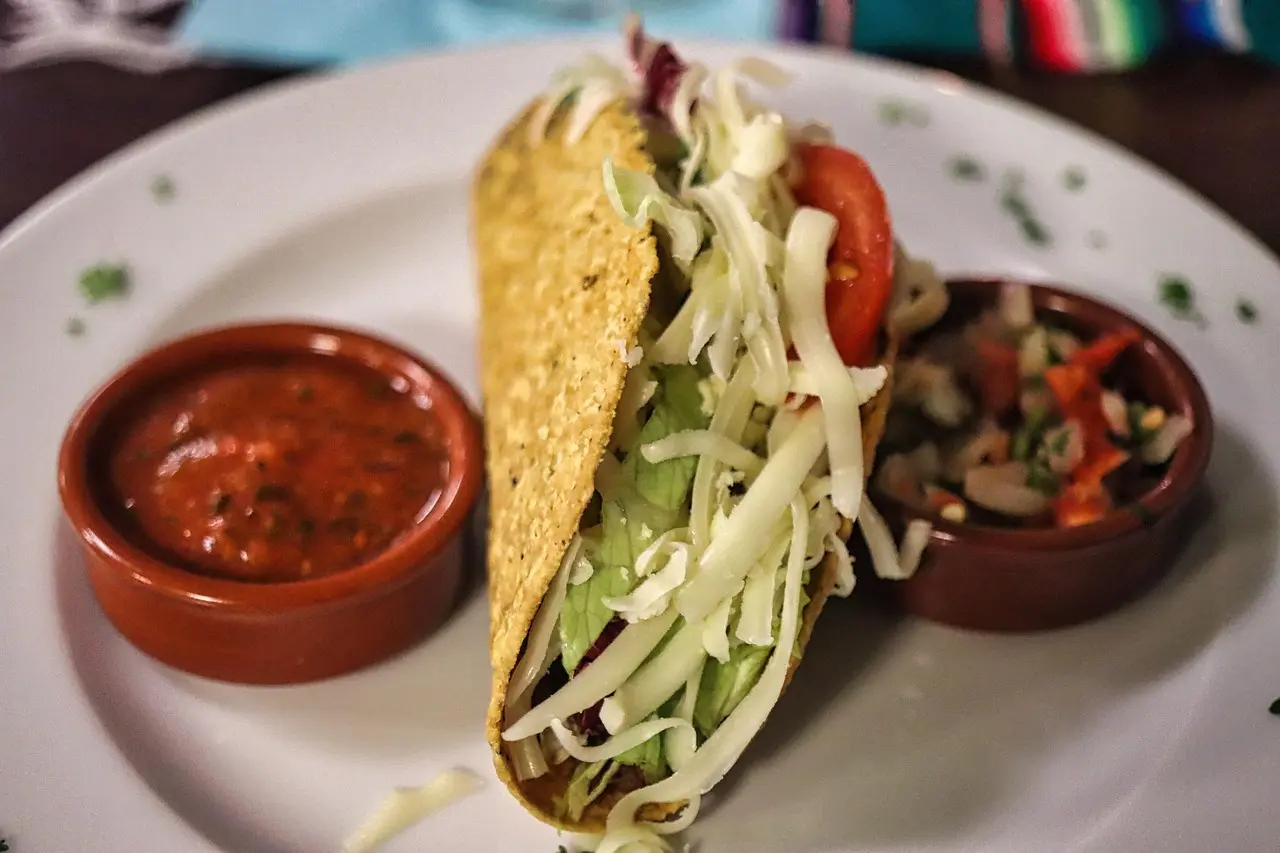
Lisbon transforms seafood into poetry — and ranks among Europe’s most underrated food travel destinations. From petiscos (Portuguese tapas) served in tiled tascas to late-night bifanas (pork sandwiches) drenched in garlic mustard, Lisbon’s culinary rhythm pulses with authenticity.
Visit Mercado de Campo de Ourique for freshly shucked Algarve clams and bacalhau à brás (shredded salt cod with onions and eggs). Then head to Belém for pastéis de nata — custard tarts baked in centuries-old ovens. With its blend of Moorish spices, Atlantic bounty, and convent-born sweets, Lisbon delivers layered, soul-satisfying food travel destinations experiences.
Kyoto, Japan: Zen-Inspired Kaiseki & Seasonal Simplicity
Kyoto redefines food travel destinations through kaiseki — a multi-course dining ritual rooted in tea ceremony aesthetics and seasonal reverence. Each dish reflects the month’s harvest: bamboo shoots in spring, ayu (sweetfish) in summer, chestnuts in autumn, yuzu in winter.
Beyond high-end ryotei, Kyoto’s food travel destinations shine in humble settings: matcha soba noodles in Nishiki Market, yudofu (tofu hot pot) in temple gardens, and delicate wagashi sweets shaped like cherry blossoms. Even vending machines dispense artisanal soy milk — proof that authenticity here lives in restraint, precision, and respect for nature.

Istanbul, Turkey: A Crossroads of Spice, Dough & Smoke
Istanbul straddles continents — and so does its cuisine. As one of the world’s oldest continuous food travel destinations, it layers Byzantine, Ottoman, Persian, and Balkan influences into unforgettable bites. Begin at the Spice Bazaar, where saffron, sumac, and dried apricots perfume the air.
Then queue for simit (sesame-crusted bread rings), balık ekmek (grilled mackerel sandwiches on the Bosphorus), and künefe (shredded phyllo stuffed with cheese and soaked in rose syrup). Don’t skip the backstreet lokantas serving slow-braised lamb with eggplant — the kind of unpretentious, soul-warming fare that defines the best food travel destinations.

Hanoi, Vietnam: Pho, Bun Cha & the Art of Balanced Flavor
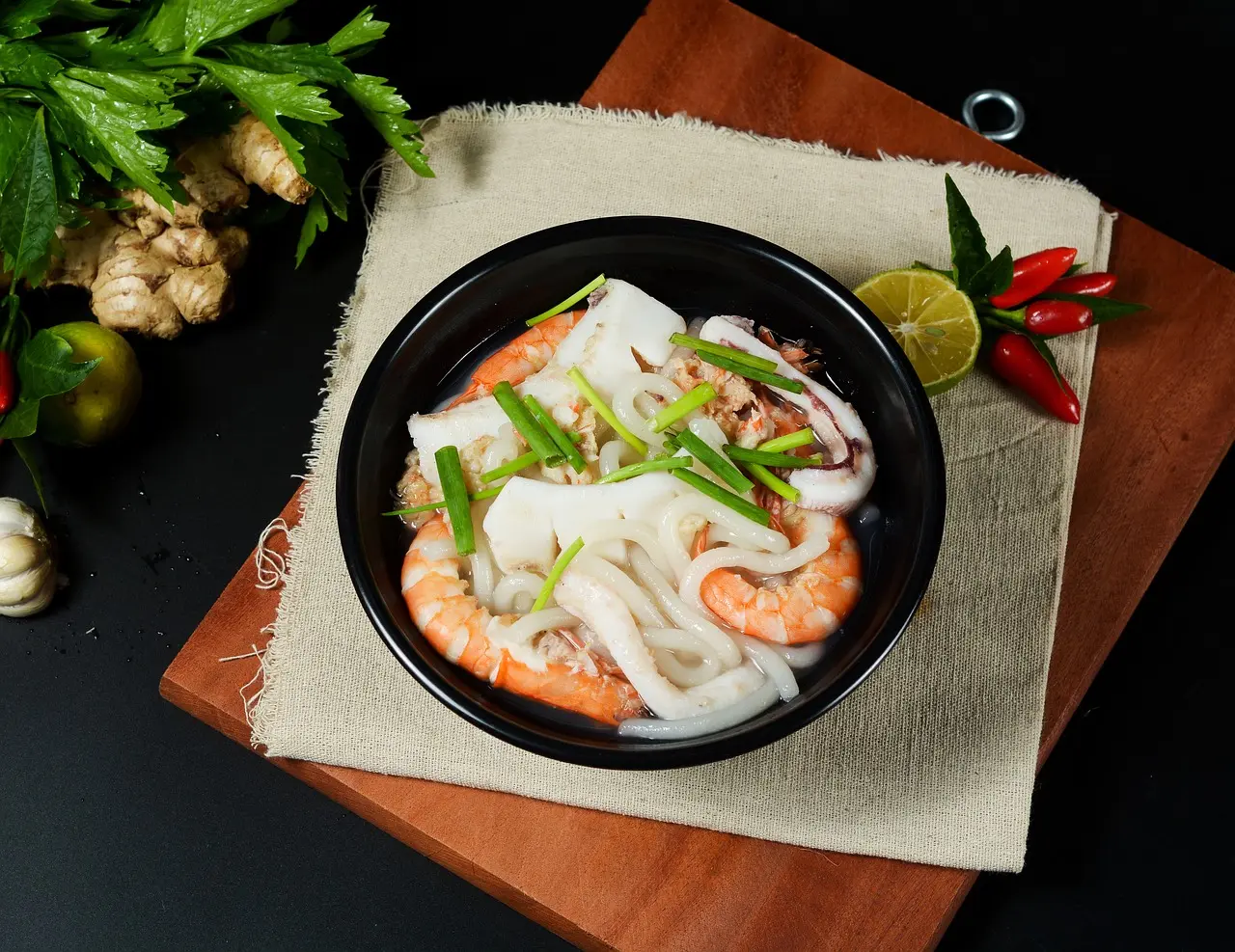
Hanoi doesn’t shout — it whispers through steam, herb, and nuoc mam. As a globally revered food travel destination, its strength lies in minimalist mastery: one perfect bowl of pho bo (beef noodle soup) can take 12 hours to prepare, balancing charred ginger, star anise, and brisket with surgical precision.
Join locals at 6 a.m. for bun cha (grilled pork with rice noodles and herbs) in Dong Xuan Market, or sip ca phe trung (egg coffee) beneath French colonial balconies. Street-side banh mi carts assemble sandwiches with house-pickled carrots and chili mayo — a testament to how food travel destinations thrive on daily ritual, not spectacle.
Marrakech, Morocco: Tagines, Mint Tea & Medina Magic
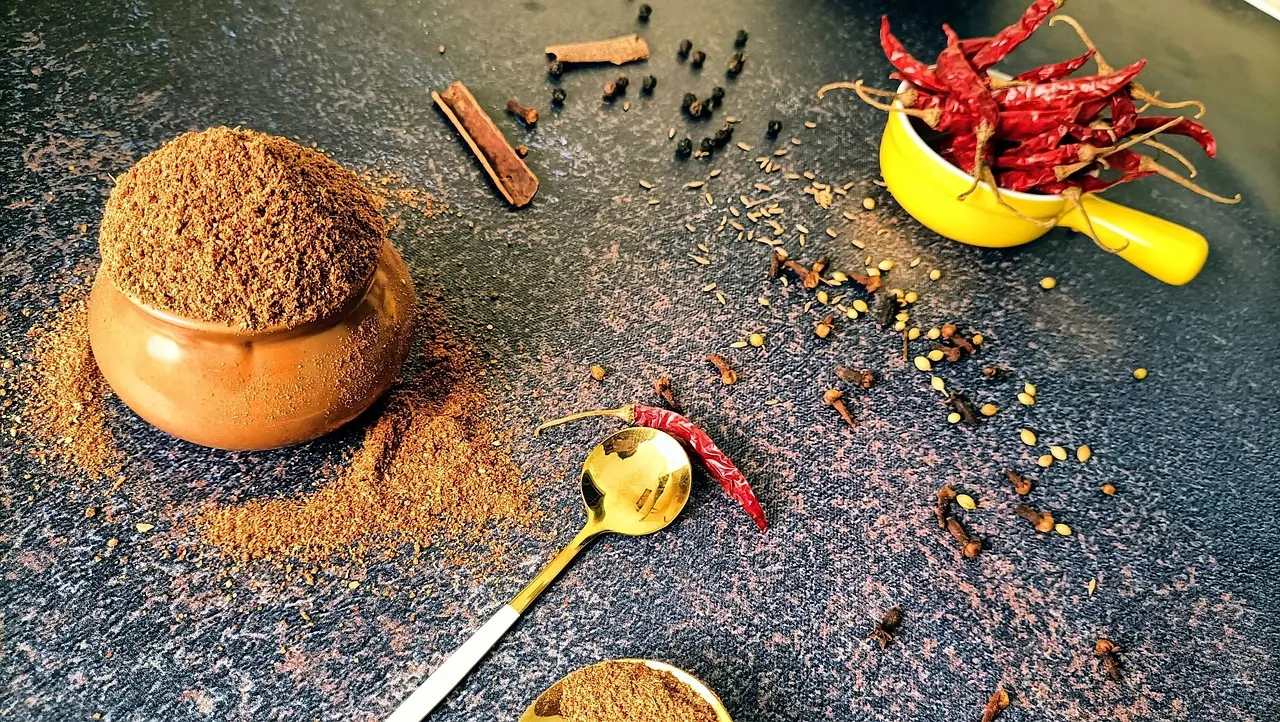
Step into Jemaa el-Fnaa at dusk, and Marrakech reveals itself as a living food travel destination. Snake charmers fade; grills ignite. Skewers of lamb sizzle over orange-wood coals while women pound argan oil and fold msemen flatbreads by hand.
Venture beyond tourist cafés to Riad kitchens offering multi-day cooking retreats — learn to layer preserved lemons and olives into chicken tagine, or ferment harissa from scratch. In the medina’s labyrinthine alleys, every doorway opens to another layer of flavor — proving that the most memorable food travel destinations are those where hospitality and authenticity are inseparable.
Lima, Peru: The Gastronomic Capital Reinventing Andean Roots
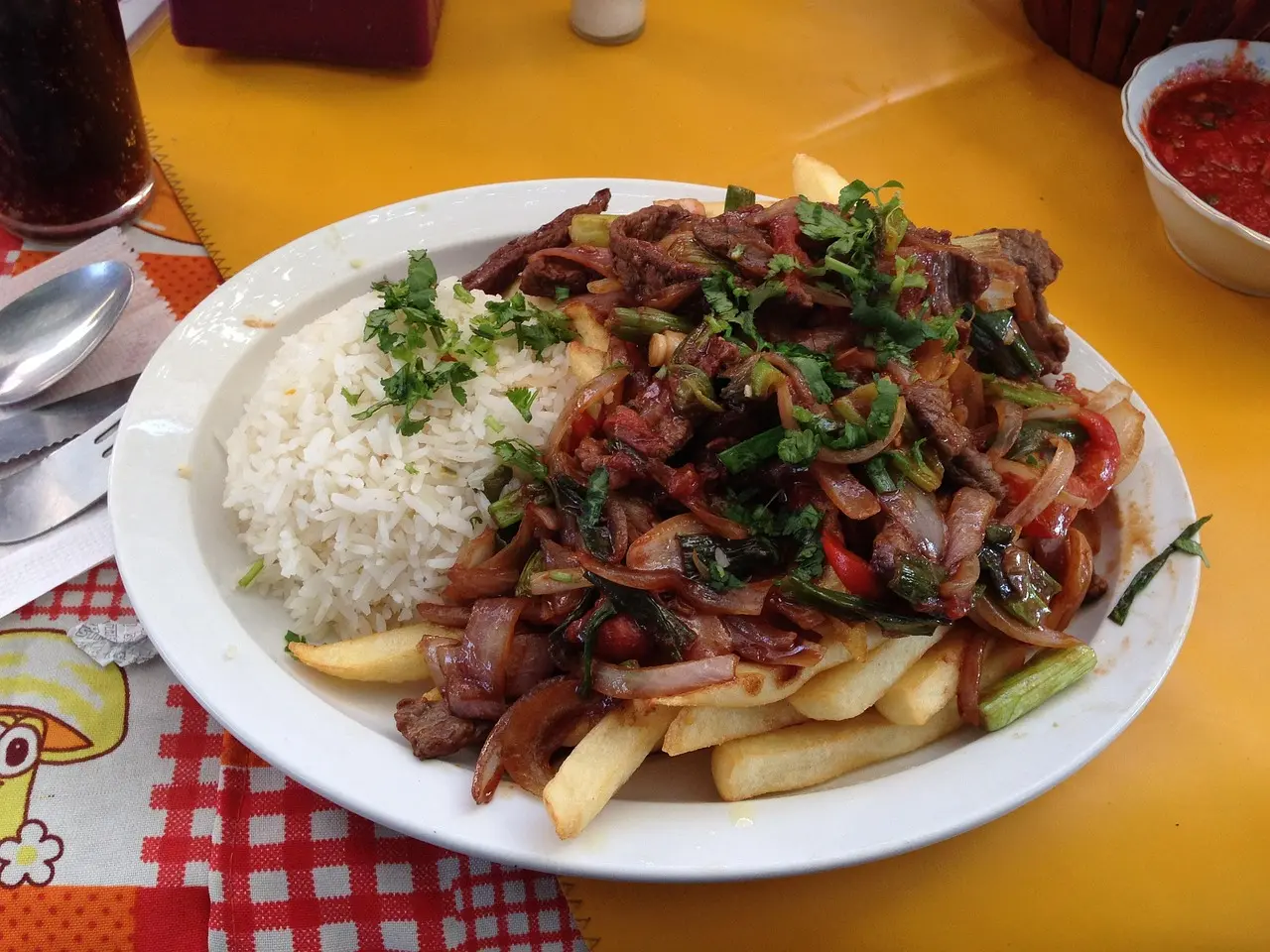
Lima has exploded onto the global food travel destinations map — not just for ceviche (marinated in tiger’s milk of lime, ají amarillo, and red onion), but for its fearless reinterpretation of indigenous ingredients. Chefs source Amazonian camu camu, Andean quinoa, and coastal sea urchin to create dishes that honor Peru’s biodiversity.
Visit Barranco’s hole-in-the-wall anticucherías for grilled beef heart skewers, or join a food crawl through Miraflores’ cevicherías where fishermen deliver the day’s catch before sunrise. With over 500 native potato varieties and 3,000 types of corn, Lima proves that food travel destinations are laboratories of cultural memory — and innovation.
Bologna, Italy: Pasta, Prosciutto & the Soul of Emilia-Romagna
Forget Florence’s crowds — Bologna is Italy’s quiet powerhouse of food travel destinations. Known as ‘La Grassa’ (The Fat One), it champions richness without excess: silky tagliatelle al ragù (not ‘spaghetti bolognese’), mortadella studded with pistachios, and Parmigiano-Reggiano aged 36 months.
Stroll Quadrilatero’s medieval arcades to taste fresh tortellini stuffed with prosciutto and Parmesan, then sip Lambrusco at family-run enoteche. Cooking classes in nonna’s apartment teach hand-rolled pasta and vinegar fermentation — because the finest food travel destinations don’t just serve meals; they invite you into lineage.
Seoul, South Korea: Fermentation, Fire & Flavor Bombs
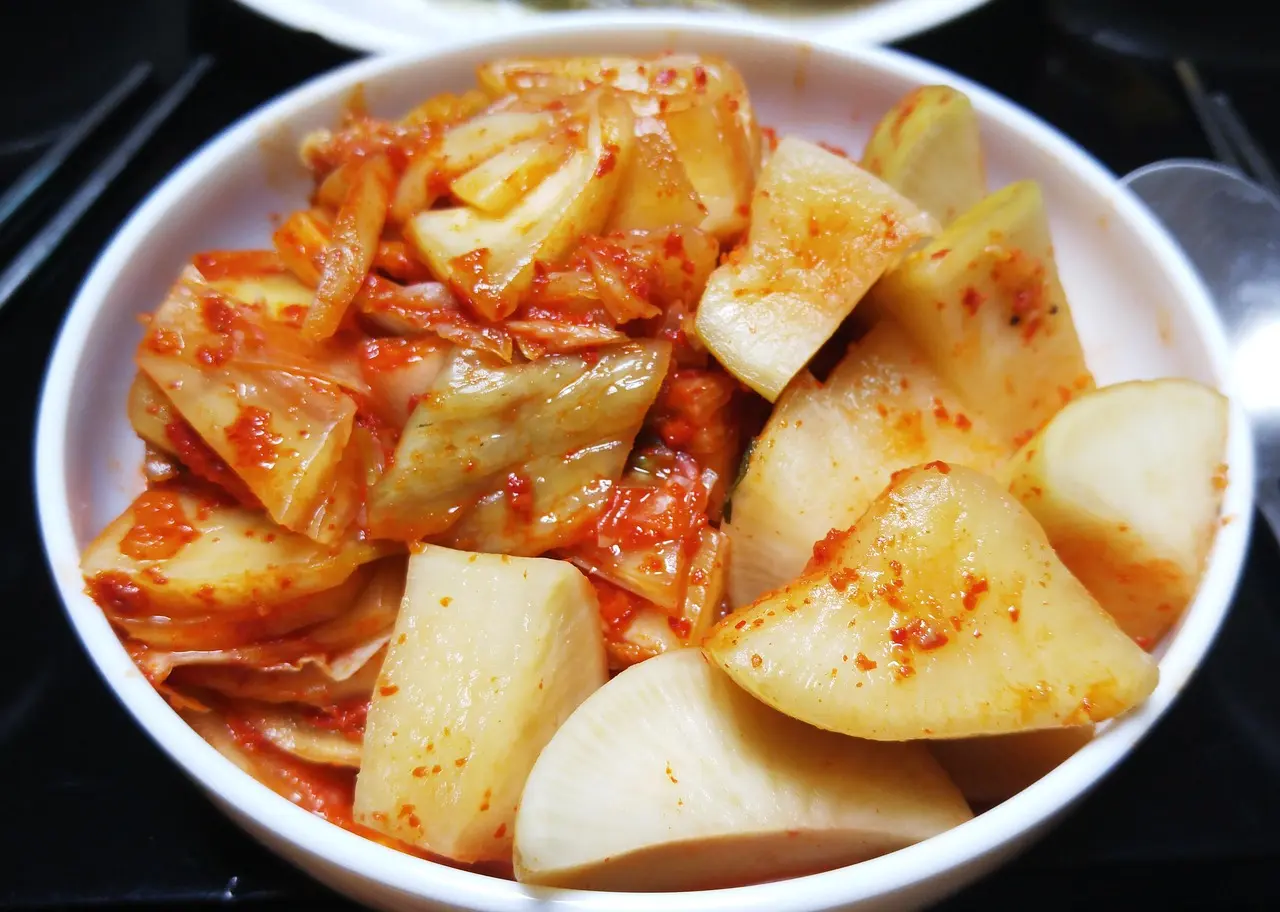
Seoul redefines food travel destinations through fermentation science and fiery expression. Kimchi — made with over 200 regional variations — ferments in underground onggi jars, while Korean barbecue sizzles over glowing charcoal in basement eateries that have served families since the 1950s.
Explore Gwangjang Market for bindaetteok (mung bean pancakes) and mayak gimbap (‘drug’ rice rolls laced with sesame and perilla). Then descend into Hongdae’s underground pubs for soju cocktails infused with yuzu and ginger. Seoul reminds us that food travel destinations aren’t just about taste — they’re about texture, temperature, and transformation.
Essential Tips for Planning Your Next Food Travel Destination Trip
To maximize your food travel destinations experience, start with language basics — a simple ‘delicious’ or ‘thank you’ in the local tongue builds instant rapport. Prioritize timing: visit Oaxaca during Día de los Muertos for sugar skulls and pan de muerto, or Kyoto in November for koyo (autumn leaf) kaiseki menus.
Book small-group food tours led by bilingual locals — not generic operators. Always carry cash (many street vendors don’t accept cards), stay hydrated, and pace yourself: eating 10 dishes in one day risks sensory overload. Finally, keep a food journal — noting textures, vendors’ names, and emotional impressions turns meals into lasting memories. These habits separate casual diners from true food travel destinations connoisseurs.
How to Eat Ethically Across Food Travel Destinations
Authentic local cuisine gains meaning when rooted in sustainability and respect. Choose restaurants sourcing from nearby farms or cooperatives — like Lima’s Central, which maps ingredient altitudes on its menu. Avoid wildlife dishes (e.g., pangolin, turtle eggs) and single-use plastics at markets.
When photographing street vendors, ask permission first. Tip fairly — in many food travel destinations, $1–2 USD goes further than you think. And whenever possible, support women-led enterprises: from Marrakech’s cooperative argan oil mills to Hanoi’s all-female pho cart collectives. Ethical engagement ensures food travel destinations remain vibrant — and just — for generations to come.
The Future of Food Travel Destinations: Trends to Watch
The next evolution of food travel destinations centers on regenerative tourism: farm-to-table immersions where guests help harvest, ferment, or bake. Expect growth in ‘culinary pilgrimage’ routes — like Spain’s Camino de Santiago food trail or Japan’s Shikoku 88 Temple soba circuit.
AI-powered translation earpieces now allow real-time dialogue with chefs in remote villages, while blockchain traceability lets travelers scan QR codes to see a dish’s origin story. Yet the core remains unchanged: food travel destinations succeed only when they deepen connection — between people, place, and plate. That’s why authentic local cuisine will always be the most compelling passport.

Bonus: 5 Hidden-Gem Food Travel Destinations Worth the Detour
While Paris and Tokyo dominate headlines, these lesser-known food travel destinations deliver extraordinary authenticity: Chefchaouen, Morocco (blue-washed alleys serving goat cheese with wild thyme); Chengdu, China (Sichuan peppercorn–infused hotpot and dan dan noodles); Tbilisi, Georgia (qvevri-aged amber wine and khinkali dumplings); Salvador da Bahia, Brazil (Afro-Brazilian acarajé fritters and dendê oil stews); and Hobart, Australia (Tasmanian truffles, wallaby tartare, and cold-climate pinot noir). Each reaffirms that the world’s most resonant food travel destinations often lie off the algorithmic radar — waiting to be discovered, savored, and shared.
Food travel destinations are more than checklists — they’re invitations to slow down, listen closely, and taste deeply. Whether you’re sipping matcha in Kyoto, sharing ceviche in Lima, or bargaining for spices in Istanbul, every bite reinforces a universal truth: food is humanity’s oldest common language. So pack your stretchy pants, download a phrasebook, and choose your next food travel destination wisely. Because the world’s most unforgettable journeys begin not with a map — but with a menu. Start planning today, and let authentic local cuisine guide your way.