
Why Food Travel Is the Future of Meaningful Tourism
Food travel isn’t just about tasting local dishes — it’s about storytelling through spices, tradition through technique, and connection through shared meals. As experiential travel surges, travelers increasingly seek authentic food travel experiences that go beyond restaurants: think hands-on cooking classes in a Tuscan farmhouse, street food tours led by Bangkok grandmothers, or week-long immersion at Oaxacan mole workshops. This shift reflects a deeper desire for cultural literacy, sustainability, and personal growth — all central pillars of modern food travel.
The rise of culinary tourism aligns with global trends: 72% of international travelers now prioritize ‘learning experiences’ over passive sightseeing (UNWTO, 2023), and food-related activities consistently rank #1 in post-trip satisfaction surveys. Whether you’re a home cook craving mastery or a curious foodie chasing terroir-driven flavors, food travel delivers unmatched depth. In this guide, we spotlight ten world-class destinations where cooking classes and food festivals aren’t add-ons — they’re the heart of the journey.
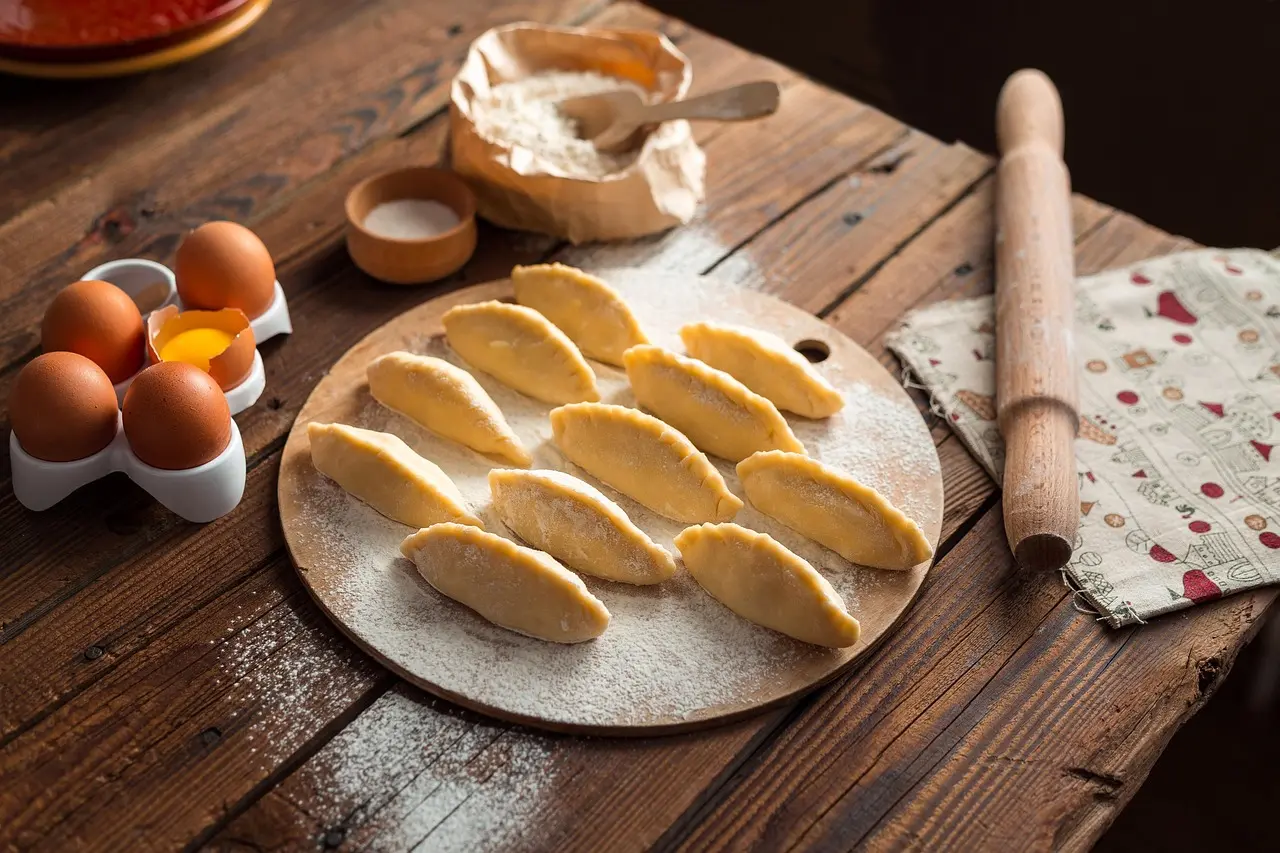
1. Bologna, Italy — The Soul of Italian Cuisine
Often called ‘La Grassa’ (The Fat One) for its rich gastronomy, Bologna is the undisputed capital of Italian food travel. Here, pasta isn’t factory-made — it’s rolled by hand in nonna’s kitchen, using only flour, eggs, and time. Top-rated cooking classes in Emilia-Romagna teach tagliatelle al ragù, tortellini in brodo, and traditional balsamic vinegar aging — often paired with visits to Parmigiano-Reggiano dairies and Aceto Balsamico tradizionale cellars.
Time your visit for the annual Terra Madre Salone del Gusto (every two years) or the smaller but spirited Festa della Cucina Bolognese — both highlight Slow Food principles and artisan producers. Pro tip: Book a multi-day food travel itinerary including Modena and Parma to deepen your understanding of Italy’s culinary DNA.

2. Chiang Mai, Thailand — Street Food Meets Sacred Technique
Chiang Mai offers one of Asia’s most accessible and profound food travel experiences. Its cooking schools — many family-run in lush northern gardens — teach not just recipes but the philosophy behind Thai balance: sweet, sour, salty, bitter, and umami. You’ll pound curry pastes in granite mortars, ferment fish sauce in clay jars, and harvest kaffir lime leaves from on-site orchards.
Don’t miss the annual Chiang Mai Street Food Festival (November), where chefs from hill tribe communities showcase ancestral dishes like khao soi and sai oua. For advanced food travelers, consider a ‘farm-to-wok’ retreat combining organic farm visits, Lanna herb walks, and temple cuisine workshops — a true holistic food travel immersion.
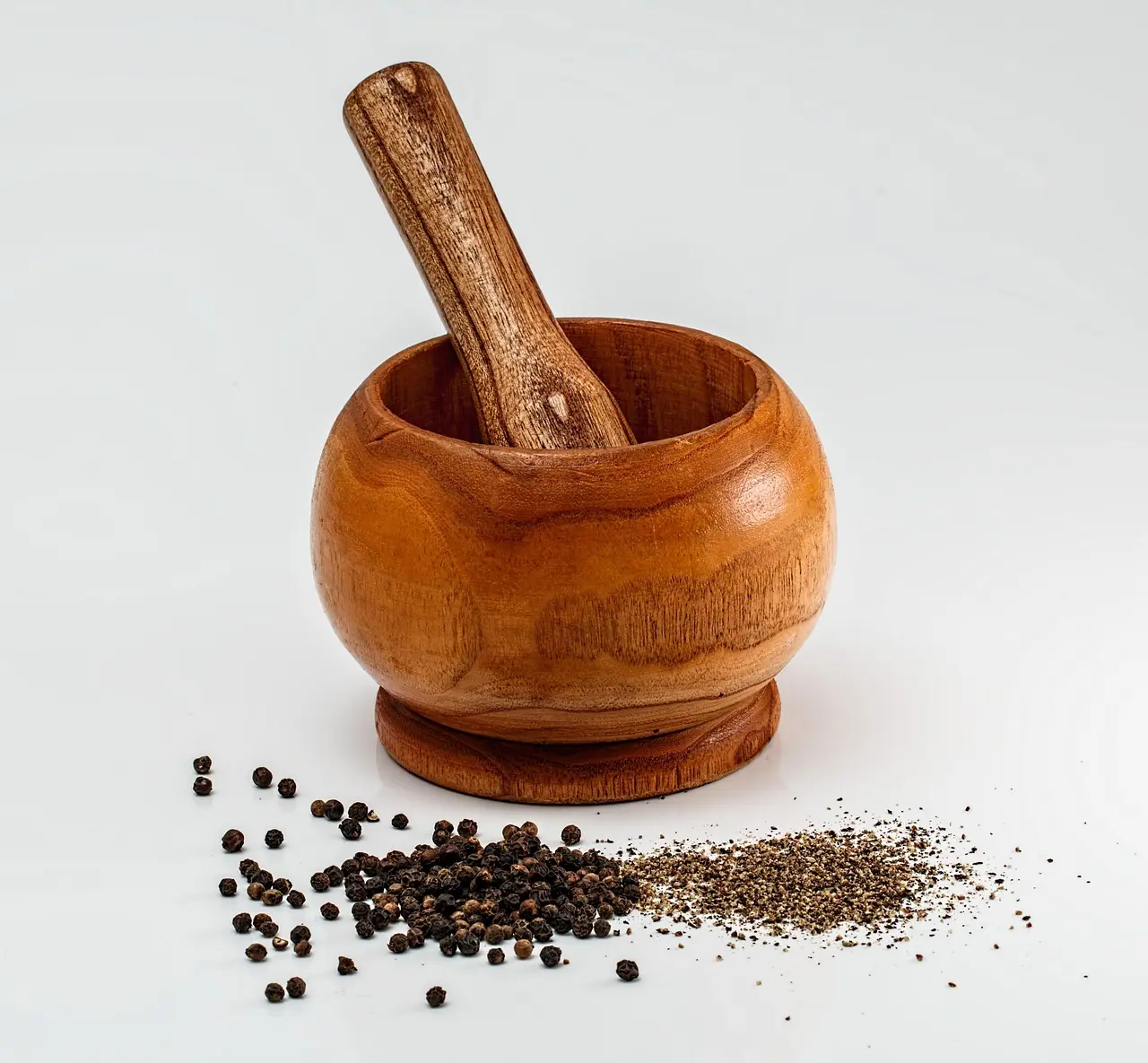
3. Oaxaca City, Mexico — Mole, Mezcal & Millennia-Old Traditions
Oaxaca is ground zero for food travel in Latin America. With seven indigenous groups and over 500 varieties of native corn, its culinary landscape is as complex as it is ancient. Cooking classes here focus on foundational techniques: nixtamalization, comal roasting, and the sacred art of mole — each regional version requiring up to 30 ingredients and 24 hours of labor.
Attend the Guelaguetza Food Fair (July) or the Feria de los Moles (October), where Zapotec and Mixtec cooks serve moles coloradito, negro, and amarillo alongside chapulines and artisanal mezcal. Many food travel programs include visits to palenques (mezcal distilleries) and textile co-ops — reinforcing how food, craft, and identity intertwine in Oaxacan culture.
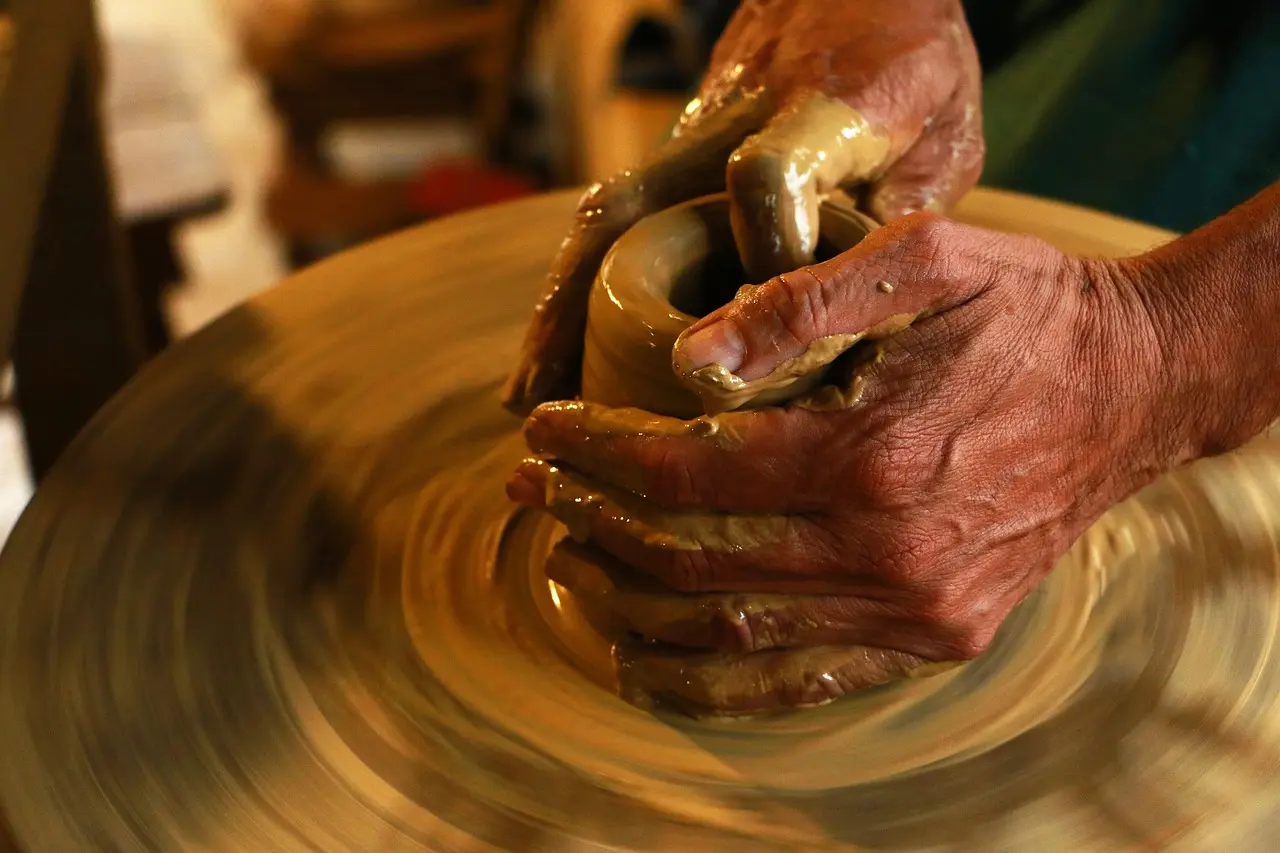
4. Kyoto, Japan — Kaiseki, Fermentation & Seasonal Reverence
Kyoto transforms food travel into meditative practice. Its kaiseki ryori — multi-course seasonal dining — is less a meal than a choreographed dialogue between chef, ingredient, and moment. Cooking classes emphasize precision: knife skills for sashimi, dashi extraction, pickling (tsukemono), and matcha ceremony integration.
Join the Nishiki Market Cooking Experience or enroll in a three-day kaiseki apprenticeship at a machiya townhouse. Time your food travel for the Kyoto Food Culture Festival (May), which features miso-making demos, yudofu tastings, and tea-ceremony pairings — all rooted in Zen aesthetics and Shinto gratitude for nature’s cycles.
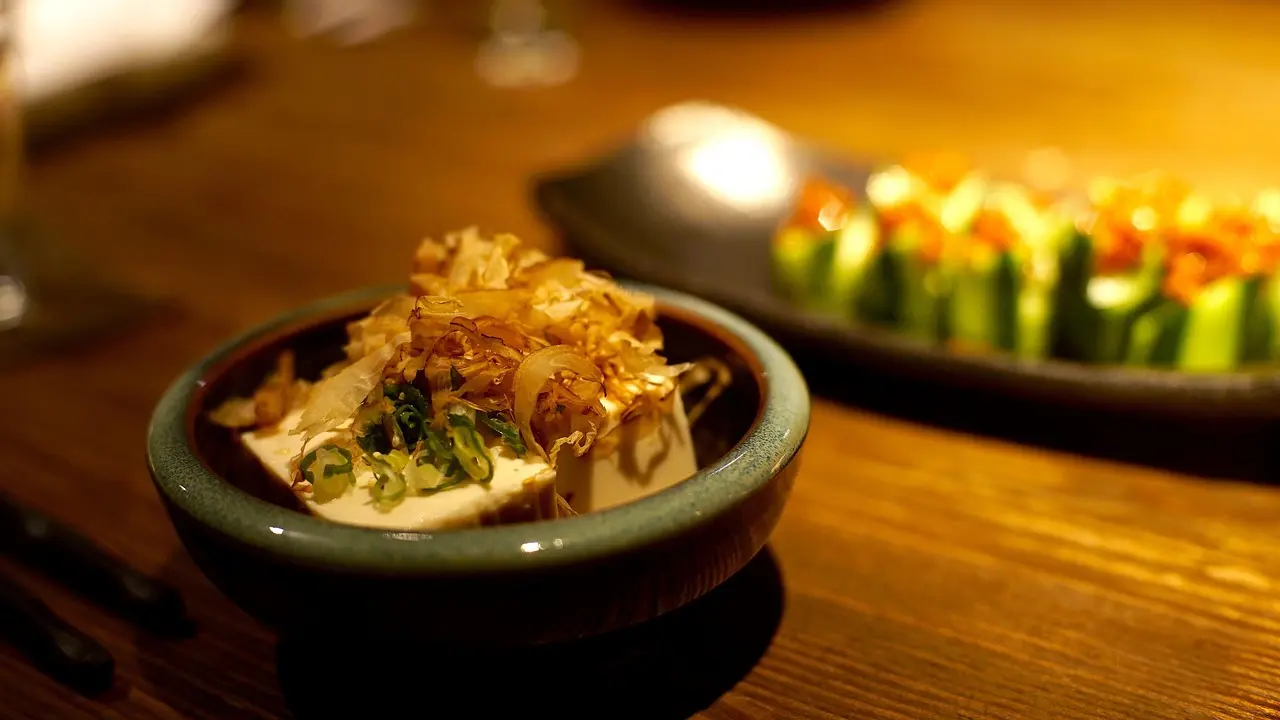
5. Lisbon, Portugal — Seafood, Saffron & Soulful Simplicity
Portugal’s food travel scene thrives on authenticity and generosity. In Lisbon, cooking classes revolve around bacalhau (salt cod), petiscos (tapas-style bites), and pasteis de nata — but always with context: visits to Mercado da Ribeira, fishing boat tours in Cascais, and vineyard lunches in nearby Azeitão.
The Lisbon Food Festival (September) celebrates Atlantic bounty with clams from Ria Formosa, Alentejo olive oils, and Port wine pairings. For deeper food travel impact, choose a program certified by the Portuguese Tourism Board’s ‘Culinary Heritage’ initiative — ensuring fair wages, local sourcing, and intergenerational knowledge transfer.

6. Marrakech, Morocco — Spices, Tagines & Storytelling in the Medina
Marrakech turns food travel into multisensory theater. From spice souks echoing with Berber chants to riad kitchens fragrant with cumin and preserved lemon, every bite tells history. Top cooking classes begin with guided market tours — learning to identify saffron threads, dried rose petals, and hand-ground ras el hanout — followed by tagine and msemen preparation in courtyard ovens.
The Marrakech Popular Arts Festival includes dedicated food days featuring Amazigh bread rituals, date-honey confections, and communal couscous ceremonies. Choose a women-led cooperative program: many food travel operators partner with local collectives like Cooperative Tawiza, empowering female artisans and preserving oral culinary traditions.
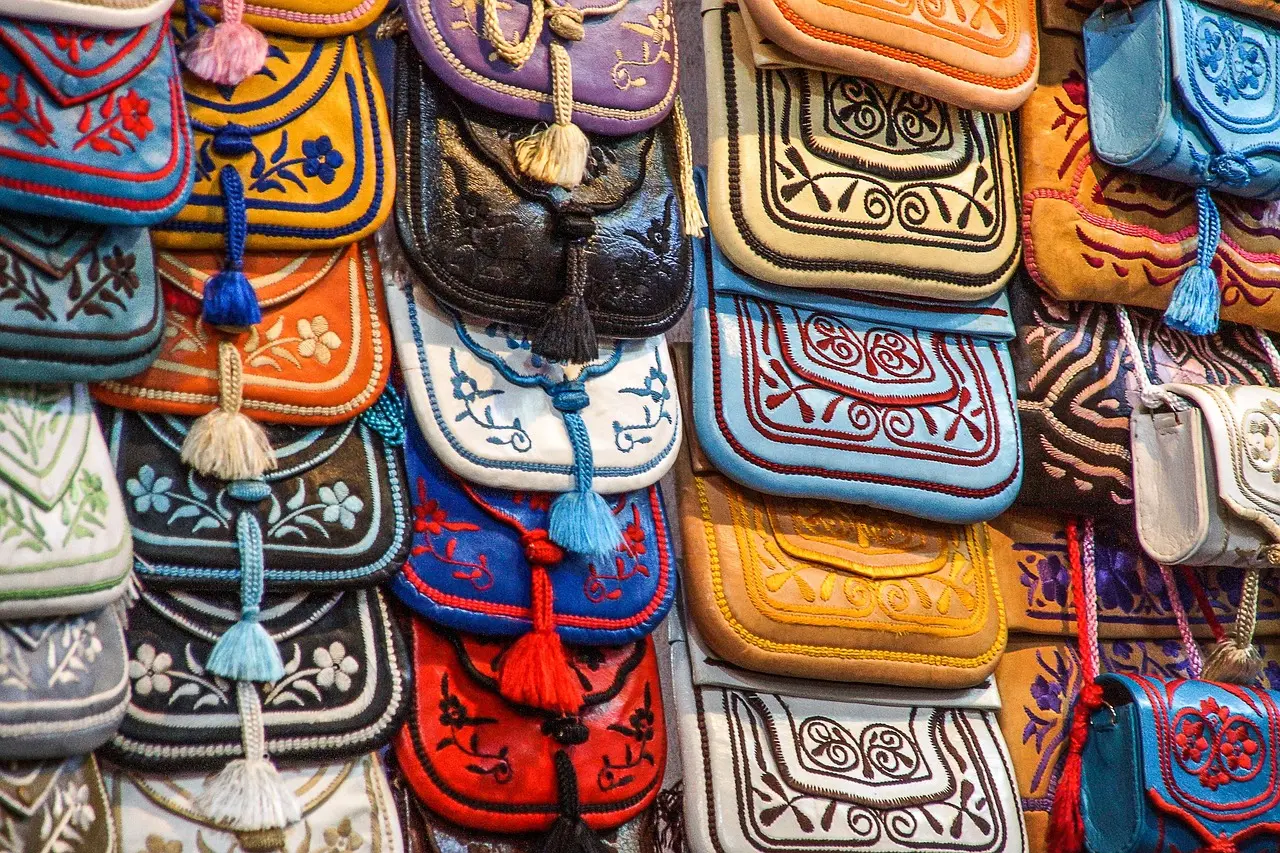
7. Buenos Aires, Argentina — Asado, Empanadas & Gastronomic Identity
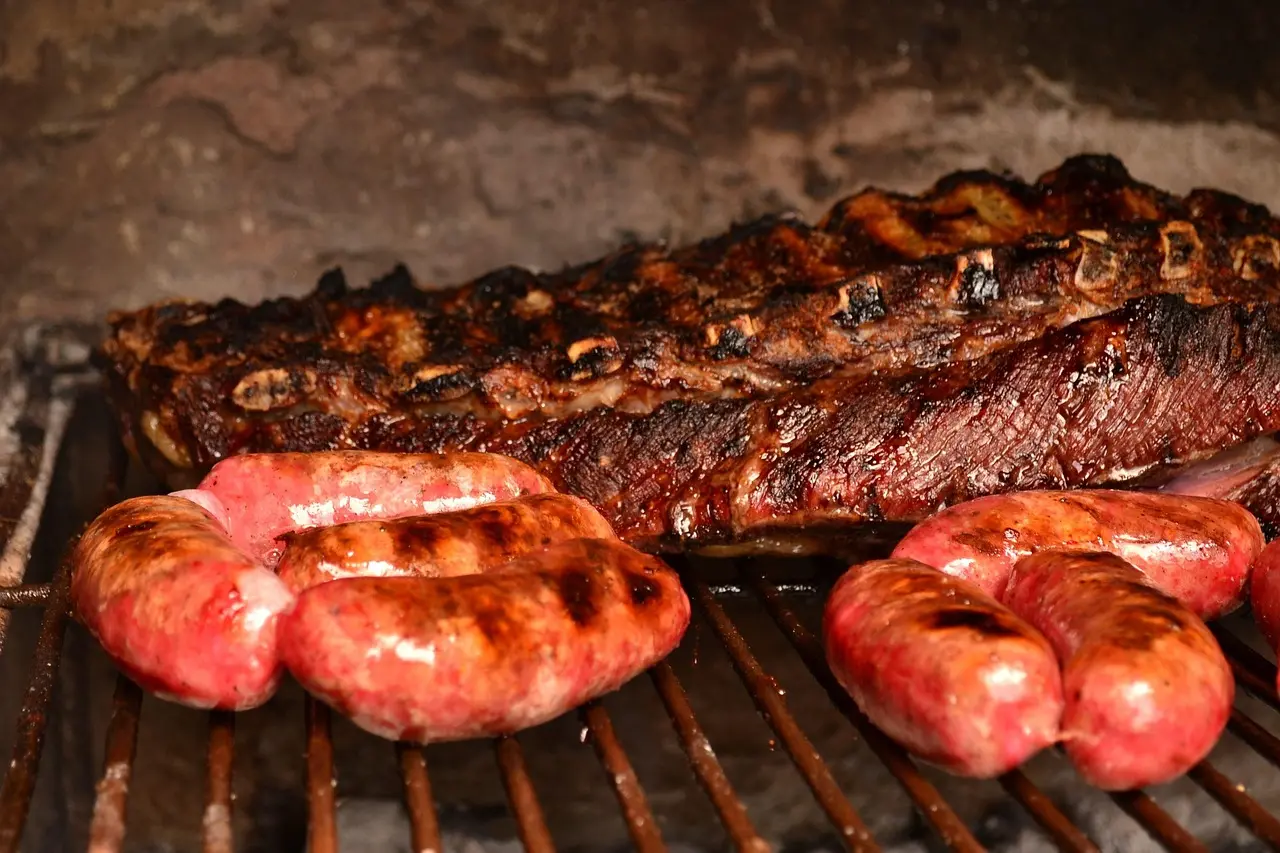
Buenos Aires redefines food travel as social ritual. Here, cooking classes double as cultural anthropology: learning to build a proper parilla (grill), knead empanada dough with precise folding techniques, and craft chimichurri with locally foraged oregano. Many programs include visits to pampas estancias and artisanal dulce de leche dairies.
The Buenos Aires Food Festival (April) highlights regional diversity — from Patagonian lamb to Salta’s fiery humitas. For serious food travelers, the ‘Asado Masterclass’ — taught by a third-generation parrillero — covers fire management, meat marbling science, and the sociology of Sunday barbecues. It’s food travel that feeds both stomach and soul.
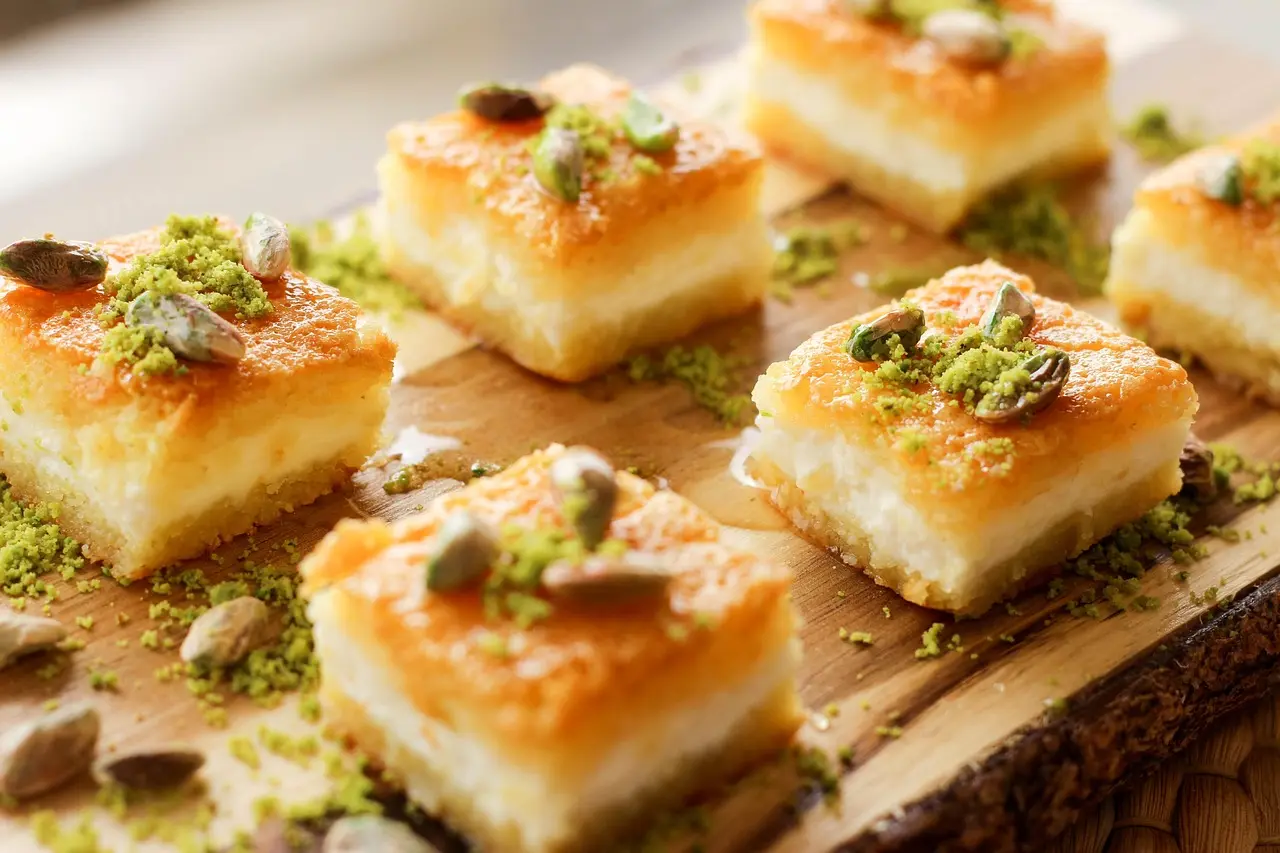
8. Istanbul, Turkey — Crossroads Cuisine & Ottoman Legacy
Istanbul makes food travel a journey across continents and centuries. Cooking classes explore layered influences: Byzantine grains, Persian sweets, Balkan cheeses, and Levantine spices — all unified by Turkish hospitality (misafirperverlik). Learn to shape gözleme on hot sac griddles, ferment simit dough with sourdough starter, and craft delicate baklava with pistachios from Gaziantep.
The Istanbul Gastronomy Festival (October) hosts masterclasses by Michelin-starred chefs and village elders alike. Don’t miss the ‘Flavors of Anatolia’ tour — a food travel deep dive covering Black Sea anchovy curing, Aegean olive oil harvesting, and Cappadocian cave-fermented wines. Every dish is a passport stamp.
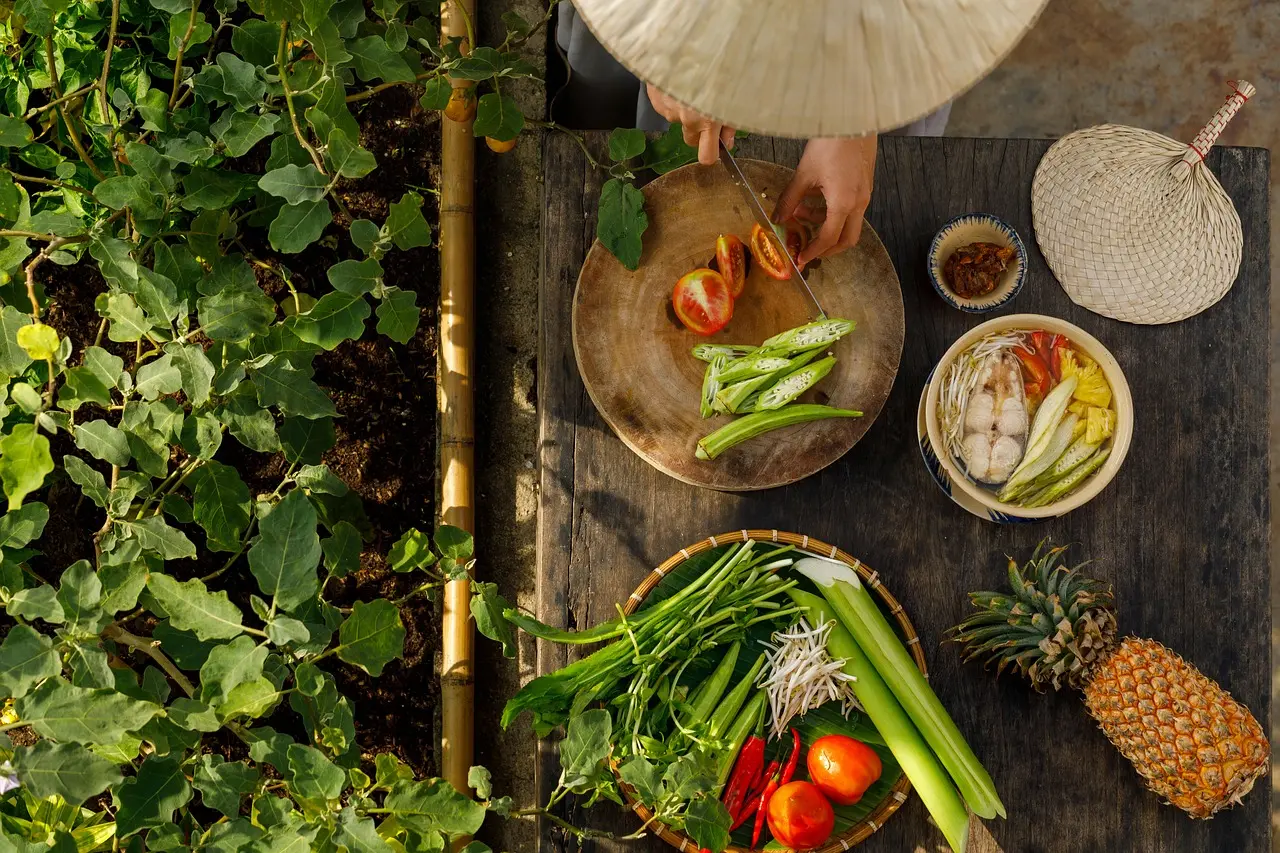
9. Hoi An, Vietnam — Noodle Craft, Herb Gardens & Lantern-Lit Feasts
Hoi An’s food travel magic lies in its harmony of texture, aroma, and memory. Renowned for cao lầu (pork noodle dish with chewy local noodles) and white rose dumplings, the town offers intimate cooking classes in riverside homes and organic herb farms. You’ll harvest perilla and starfruit, grind rice batter on stone mills, and wrap banh xeo in banana leaves.
The Hoi An Memories Show includes a culinary segment, but for deeper engagement, join the annual Hoi An Food Week (June), featuring lantern-lit cooking contests, Reaching Out Tea House inclusive workshops, and boat-based ‘floating market to table’ tours — a uniquely Vietnamese expression of food travel.
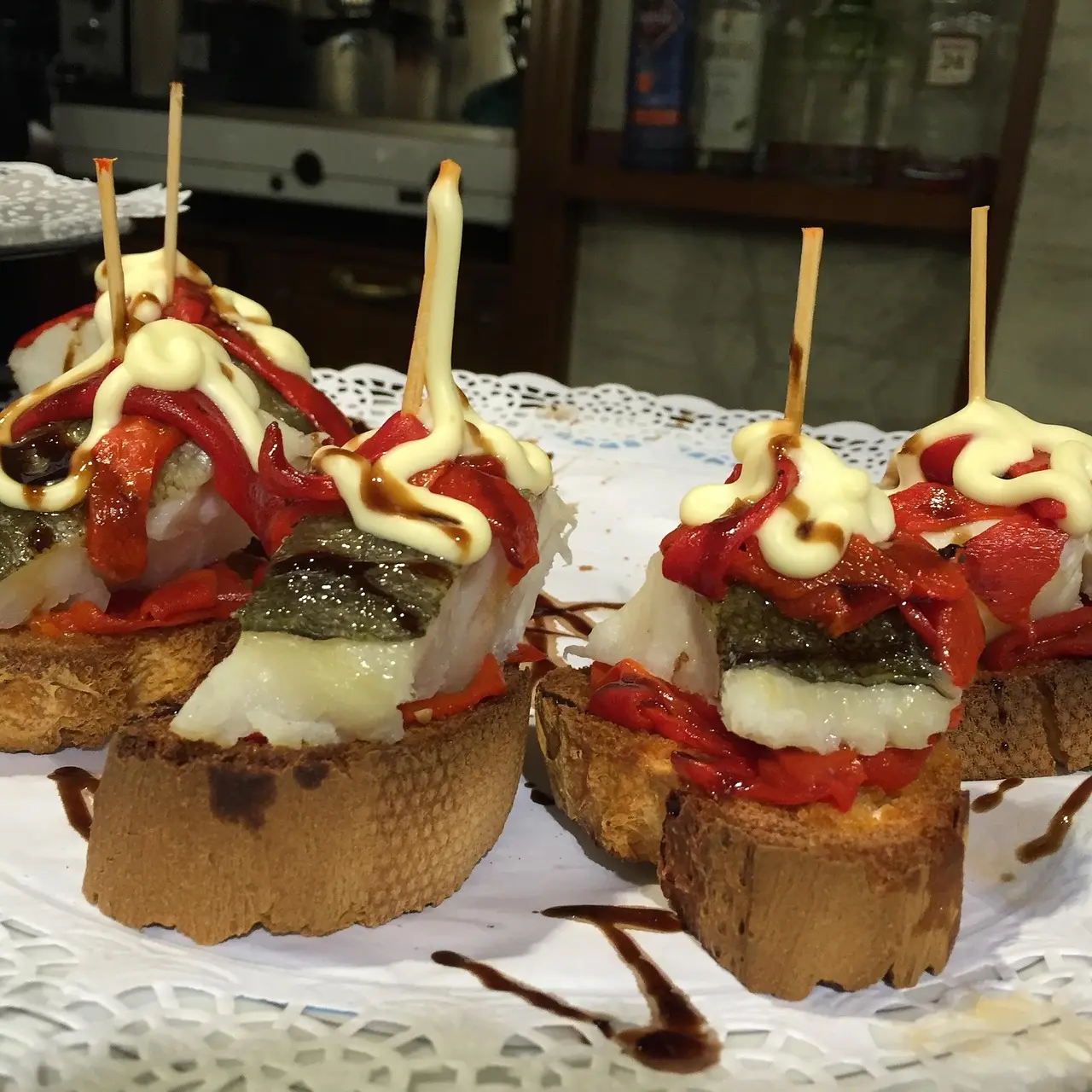
10. San Sebastián, Spain — Pintxos, Cider Houses & Basque Innovation
San Sebastián proves food travel can be both deeply traditional and wildly inventive. Its pintxos bars are laboratories of flavor — where chefs reinterpret bacalao with squid ink foam or pair Idiazábal cheese with quince gelée. Cooking classes emphasize Basque techniques: cider pouring (txotx), txakoli wine pairing, and salt-cod confit.
The Tamborrada Festival (January) kicks off with a food parade; but the real highlight is the San Sebastián Gastronomika (October) — Europe’s premier culinary congress, featuring Ferran Adrià, Massimo Bottura, and Indigenous chefs. Book a ‘Pintxos Crawl + Workshop’ combo: taste first, then recreate your favorites with expert guidance — the perfect food travel loop.
How to Choose the Right Food Travel Experience
Not all cooking classes or food festivals deliver equal value. Prioritize programs with: certified local instructors (not imported chefs), small group sizes (<12), ingredient transparency (organic, seasonal, hyperlocal), and cultural context (history, language basics, etiquette). Look for certifications like UNESCO Creative Cities (e.g., Oaxaca, Parma) or Slow Food Presidia partnerships.
Always check cancellation policies, dietary accommodation capacity, and whether transportation/market fees are included. And remember: the best food travel moments often happen *between* classes — sharing coffee with your host family, helping harvest tomatoes, or getting lost en route to a hidden mercado. Let curiosity lead — that’s where food travel becomes unforgettable.
Sustainable & Ethical Food Travel Tips
Responsible food travel means honoring the people, land, and traditions behind every meal. Choose operators who pay fair wages to cooks and farmers, avoid exploitative ‘poverty tourism’ food walks, and respect religious or cultural food taboos (e.g., no pork in Marrakech riads, no shoes in Kyoto kitchens). Carry a reusable water bottle, tote bag, and stainless steel chopsticks.
Support cooperatives over commercial chains — e.g., Oaxacan women’s weaving-cooking collectives or Lisbon’s fishermen’s guild bistros. Finally, document thoughtfully: ask permission before photographing people, and never share proprietary recipes without attribution. Your food travel should leave places richer — not just for you, but for everyone.
Food travel is more than a trend — it’s a powerful, joyful, and deeply human way to engage with our world. Whether you’re mastering mole in Oaxaca, kneading pasta in Bologna, or grilling sardines in Lisbon, each cooking class and food festival connects you to land, lineage, and laughter. These ten destinations offer extraordinary access to culinary wisdom — but the real magic lies in your openness to learn, taste, and listen. So pack your apron, bookmark this list, and book your next food travel adventure today. Because the best journeys don’t just take you somewhere — they transform how you taste life itself. Start planning your food travel experience now — the world’s kitchens are waiting.