Why Religious Pilgrimage Remains a Powerful Travel Experience
Religious pilgrimage is more than ritual — it’s a profound convergence of faith, history, identity, and personal transformation. Across centuries and continents, millions undertake sacred journeys to holy sites as acts of devotion, penance, healing, or enlightenment. In today’s fast-paced world, religious pilgrimage offers a rare opportunity to slow down, reflect deeply, and connect with something greater than oneself.
Whether you’re seeking inner peace, ancestral continuity, interfaith understanding, or simply authentic cultural immersion, religious pilgrimage delivers unmatched emotional resonance and experiential depth. Unlike conventional tourism, this form of travel emphasizes intentionality, humility, and presence — qualities increasingly valued by conscious travelers worldwide. As interest in mindful, purpose-driven travel surges, religious pilgrimage stands out as one of the most enduring and universally significant forms of spiritual tourism.
Mecca, Saudi Arabia: The Heart of Islamic Pilgrimage
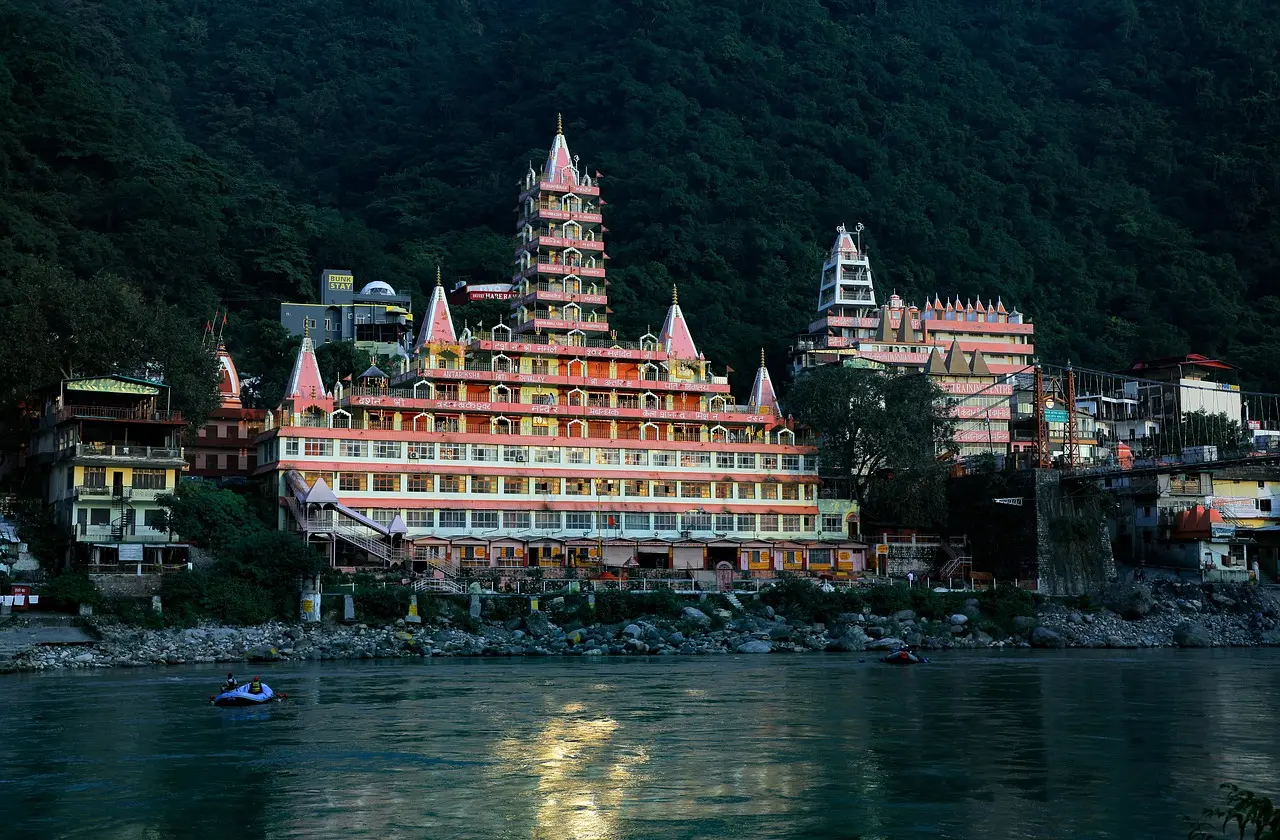
Mecca is the holiest city in Islam and the ultimate destination for Hajj — the mandatory religious pilgrimage every able Muslim must complete at least once in their lifetime. Each year, over two million pilgrims converge on the Grand Mosque (Al-Masjid al-Haram) to perform tawaf (circumambulation of the Kaaba), sa’i (walking between Safa and Marwah), and stand in prayer on the plains of Arafat.
Beyond its theological centrality, Mecca offers deep historical layers — from pre-Islamic Arabian traditions to the Prophet Muhammad’s life and legacy. For non-Muslims, access is restricted, but understanding its significance enriches global awareness of Islamic spirituality and the universal human longing for unity and divine closeness. Planning a Hajj requires early registration, strict health protocols, and cultural preparation — making expert guidance essential for a safe, respectful, and spiritually fulfilling religious pilgrimage.
Varanasi, India: Eternal City of Hindu Liberation
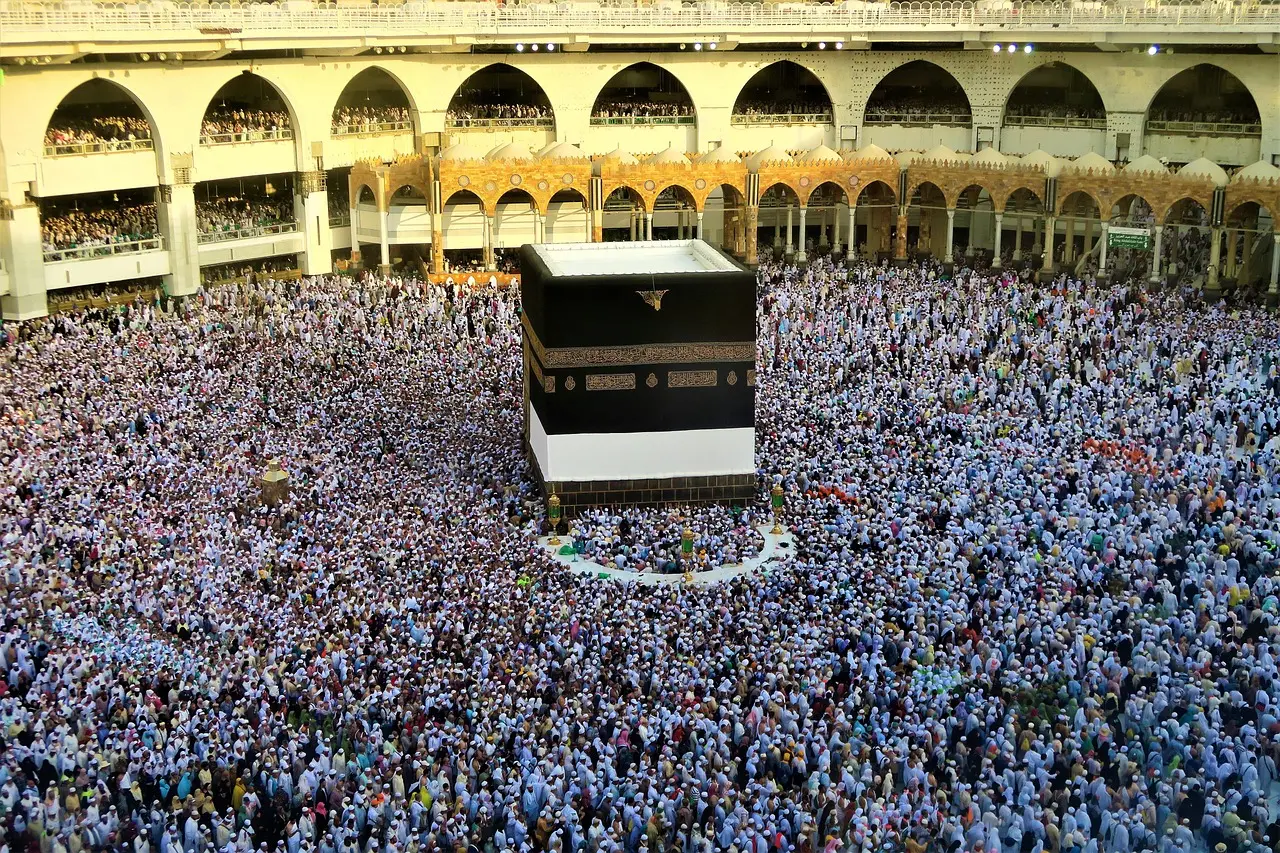
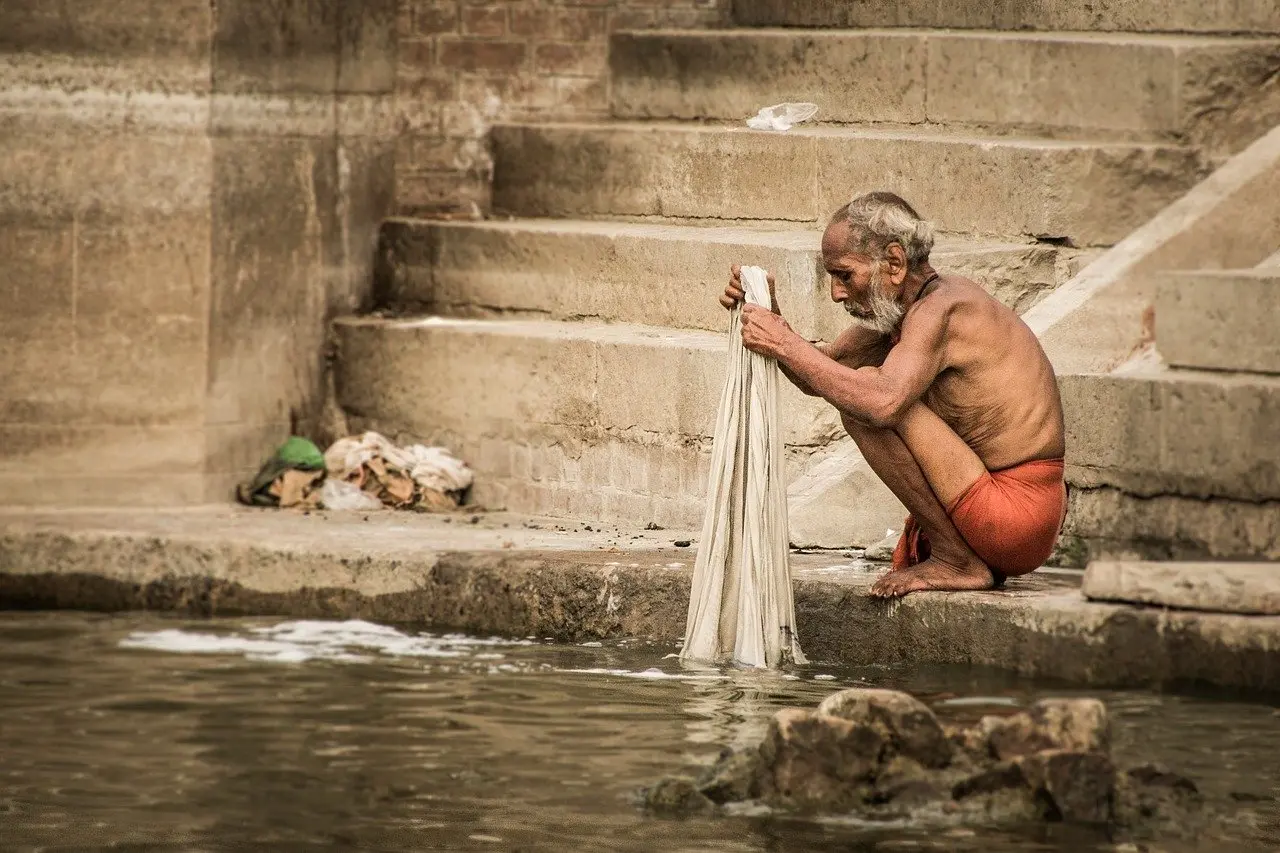
Varanasi — also known as Kashi or Benares — is arguably the oldest continuously inhabited city on Earth and the most sacred site in Hinduism. Located on the banks of the Ganges River, it is believed that dying here grants moksha (liberation from the cycle of rebirth). Daily rituals at ghats like Dashashwamedh and Manikarnika draw thousands of devotees, sadhus, and seekers engaged in prayer, bathing, and meditation.
For those pursuing religious pilgrimage in India, Varanasi offers not only devotional intensity but also rich philosophical discourse, classical music traditions, and textile craftsmanship rooted in centuries-old spiritual practice. Visitors should respect local customs — dress modestly, avoid photography during cremation rites, and consider guided spiritual walks led by knowledgeable pandits. As a cornerstone of Hindu religious pilgrimage, Varanasi remains indispensable for anyone exploring South Asia’s sacred geography.
Jerusalem: A Tri-Faith Nexus of Sacred History
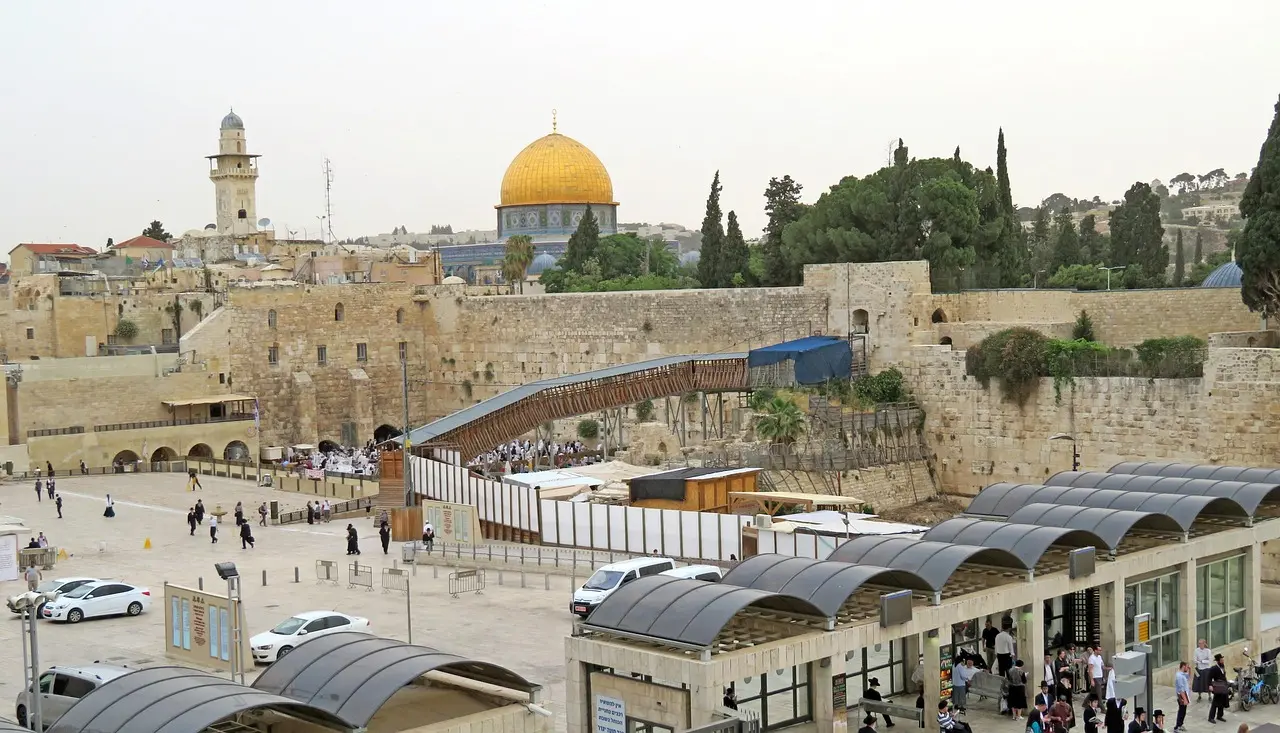
Few cities embody the essence of religious pilgrimage as powerfully as Jerusalem — sacred to Judaism, Christianity, and Islam. The Western Wall (Kotel), Church of the Holy Sepulchre, and Al-Aqsa Mosque sit within a kilometer of one another, each anchoring millennia of prayer, prophecy, and perseverance.
Christian pilgrims walk the Via Dolorosa retracing Jesus’ final steps; Jewish visitors pray at the last remnant of the Second Temple; Muslims ascend to the Noble Sanctuary honoring Prophet Muhammad’s Night Journey. Navigating Jerusalem’s layered sanctity requires sensitivity, historical grounding, and often bilingual local guides. As both a living testament and contested landscape, Jerusalem reminds us that religious pilgrimage is not just about place — it’s about memory, resilience, and shared humanity.
Lumbini, Nepal: Birthplace of the Buddha and Buddhist Pilgrimage Hub
Nestled in the Terai plains of southern Nepal, Lumbini is the UNESCO-listed birthplace of Siddhartha Gautama — the historical Buddha. Marked by the Ashoka Pillar and the sacred Maya Devi Temple, this serene site draws Buddhist pilgrims from Sri Lanka, Thailand, Myanmar, Tibet, and beyond.
What distinguishes Lumbini among global religious pilgrimage destinations is its atmosphere of quiet contemplation. Monasteries built by over 20 countries line the Sacred Garden, each reflecting unique architectural and meditative traditions. Visitors can participate in silent retreats, volunteer in community projects, or simply sit beneath the Bodhi tree saplings planted in honor of enlightenment. For mindfulness travelers and practitioners alike, Lumbini offers gentle, grounded access to Buddhist religious pilgrimage without overwhelming crowds.
Santiago de Compostela, Spain: The Camino’s Timeless Call
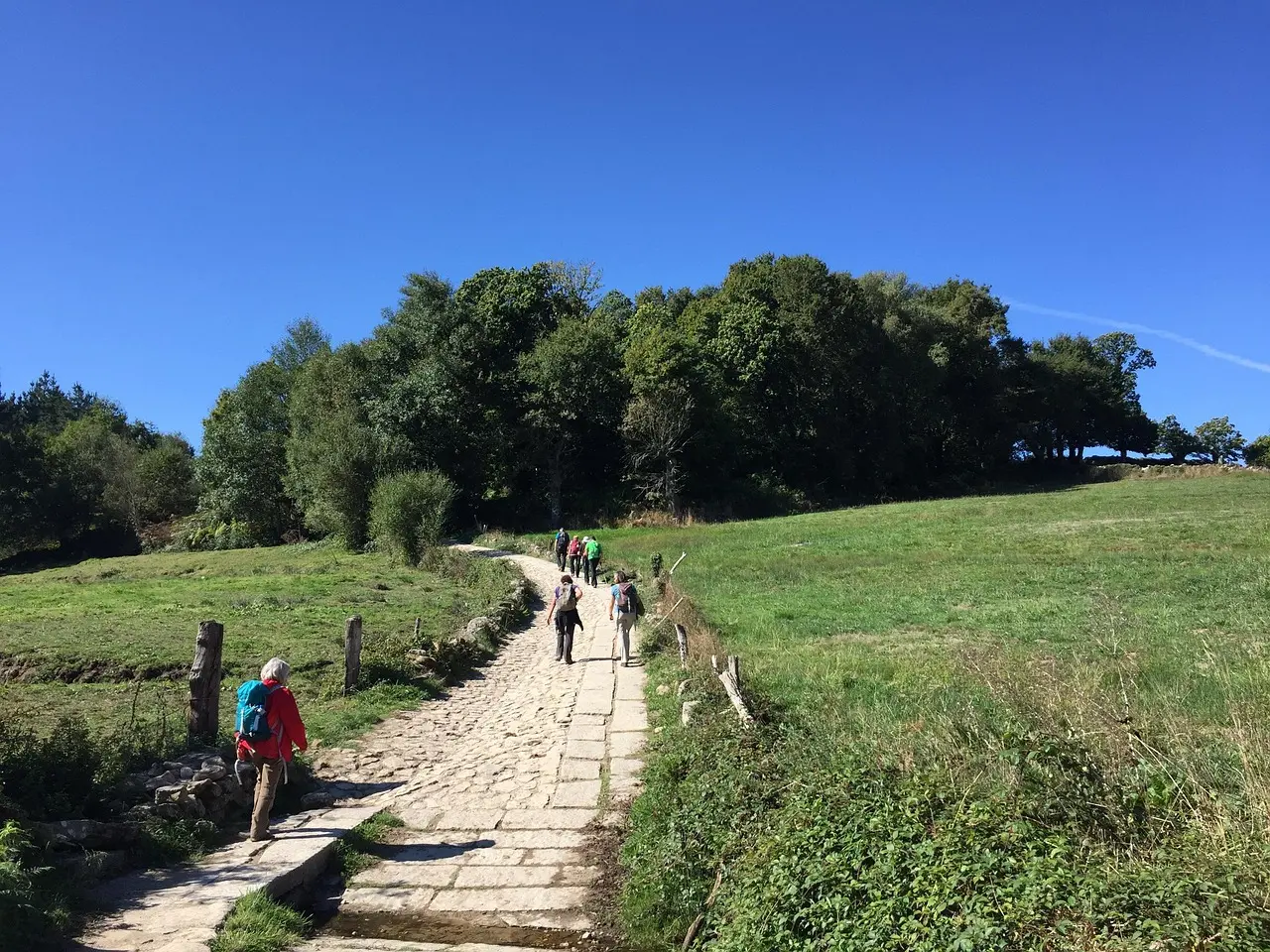
The Camino de Santiago — or Way of St. James — is Europe’s most iconic Christian pilgrimage route, culminating in the Cathedral of Santiago de Compostela in northwestern Spain. According to tradition, the apostle St. James is buried here, and since the 9th century, pilgrims have walked hundreds of kilometers across France, Portugal, and Spain to reach his shrine.
Today, the Camino attracts not only devout Catholics but also secular hikers, artists, therapists, and retirees seeking clarity, challenge, and camaraderie. Over 350,000 receive the Compostela certificate annually — proof of completing at least 100 km on foot or 200 km by bike. With hostels (albergues), regional cuisines, Romanesque churches, and ever-changing landscapes, the Camino exemplifies how religious pilgrimage evolves while preserving its soul. It remains one of the most accessible and transformative forms of European religious pilgrimage.
Mount Kailash & Lake Manasarovar, Tibet: The Axis Mundi of Himalayan Faith
Rising at 6,638 meters in the remote Ngari Prefecture of western Tibet, Mount Kailash is revered as the abode of Lord Shiva in Hinduism, the home of Demchok in Vajrayana Buddhism, and the axis mundi — the cosmic center — in Jain and Bon traditions. Its perfect pyramid shape and untouched summit (never climbed, out of reverence) make it uniquely potent among religious pilgrimage destinations.
Circumambulating Kailash (kora) — a 52-kilometer trek at extreme altitude — is considered one of the most meritorious acts in Tibetan Buddhism and Hinduism. Nearby Lake Manasarovar, one of the highest freshwater lakes in the world, is believed to cleanse sins when bathed in or circumambulated. Due to strict permits, limited infrastructure, and high-altitude risks, this religious pilgrimage demands careful planning, acclimatization, and cultural humility — yet rewards participants with unparalleled stillness and symbolic rebirth.
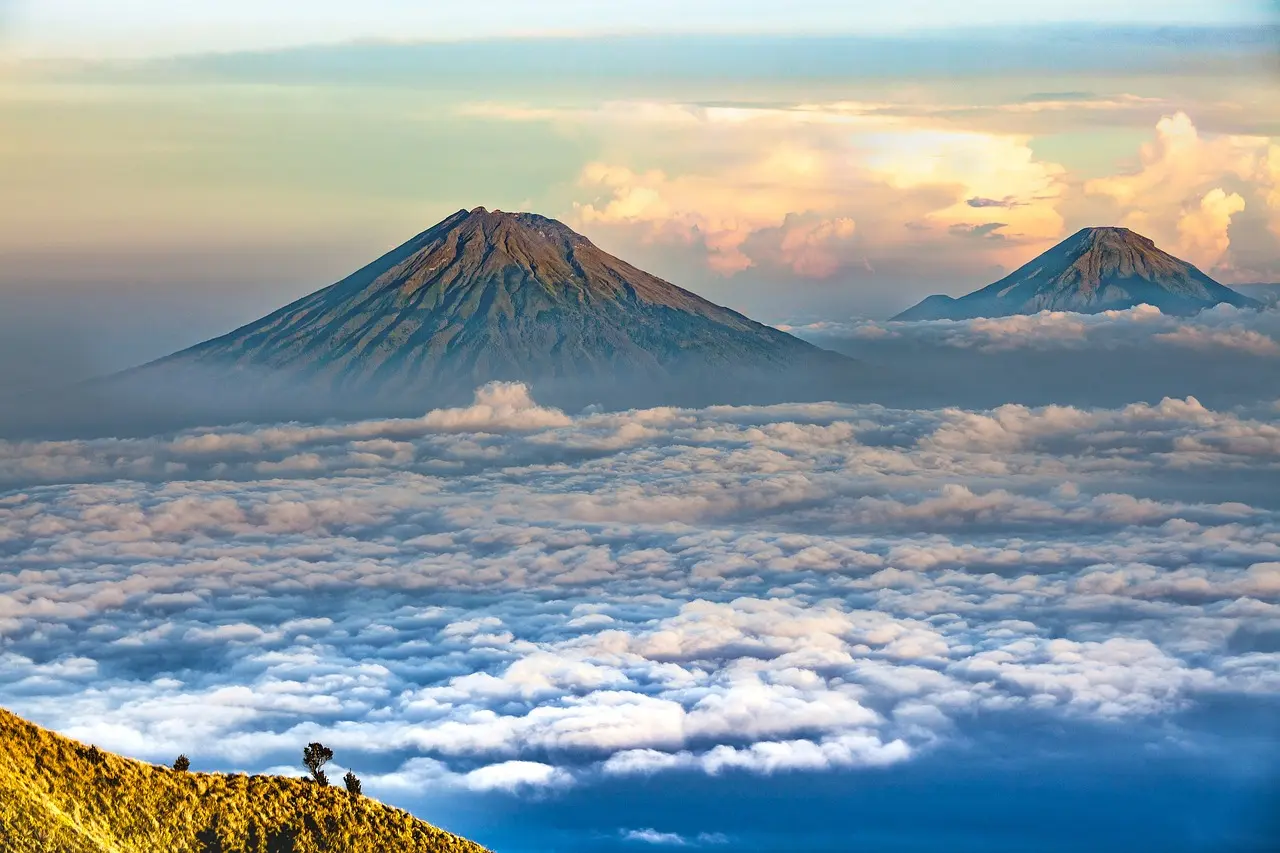
Shrine of Baháʼu’lláh, Acre & Haifa, Israel: Unity in Diversity
For followers of the Baháʼí Faith, the Shrine of Baháʼu’lláh in Bahjí near Acre is the holiest site — the resting place of the religion’s founder. Paired with the Shrine of the Báb on Mount Carmel in Haifa, these UNESCO-recognized terraced gardens represent the Baháʼí vision of global unity, justice, and spiritual harmony.
Unlike many traditional religious pilgrimage destinations, Baháʼí sites emphasize inclusivity and service. Visitors of all backgrounds are warmly welcomed, and guided tours highlight themes of gender equality, education, and interreligious dialogue. While formal pilgrimage isn’t obligatory, annual observances like the Ridván Festival attract thousands. As a model of peaceful coexistence, the Baháʼí World Centre stands as a quietly revolutionary addition to the map of global religious pilgrimage.
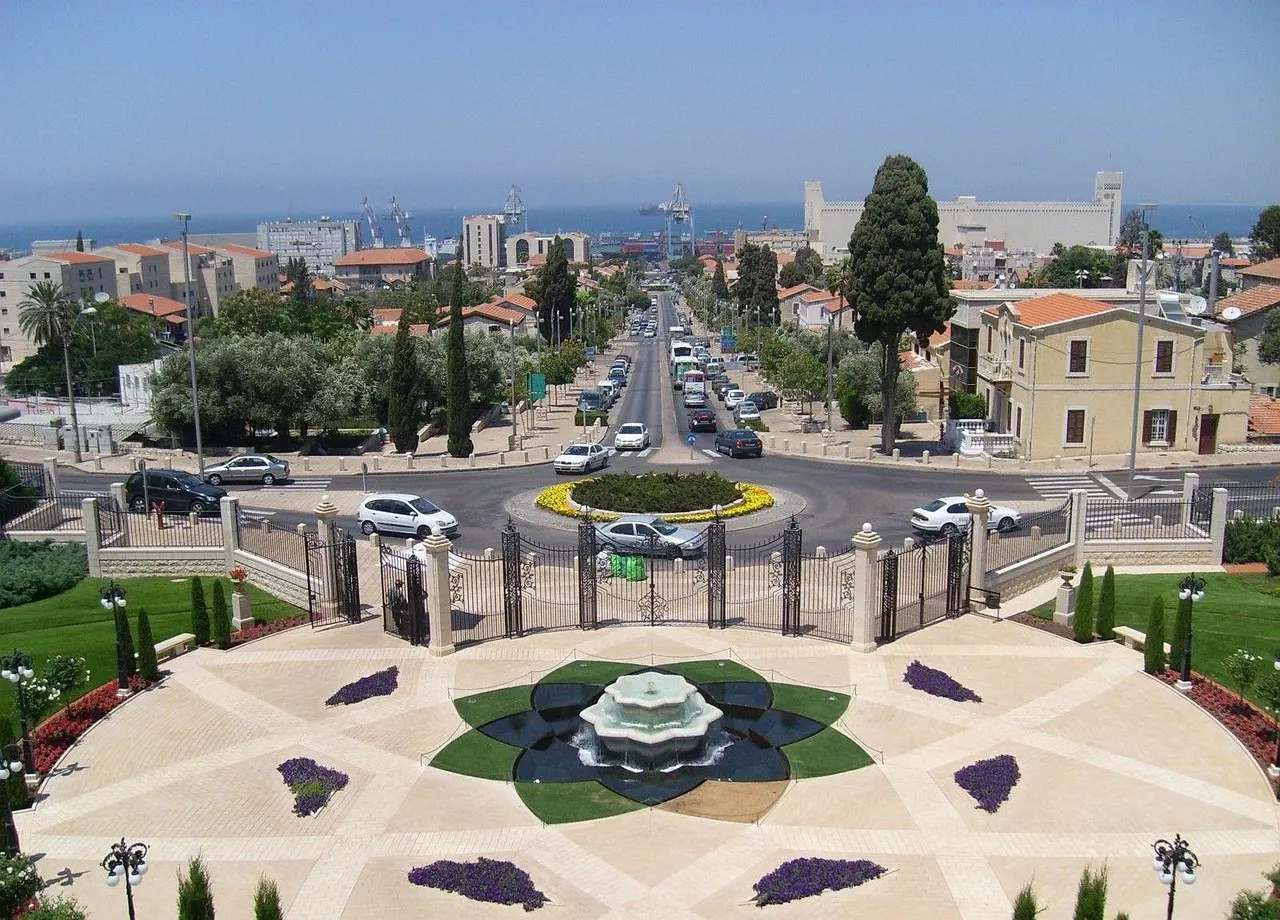
Ise Grand Shrine, Japan: Shinto Purity and Cyclical Renewal
Located in Mie Prefecture, the Ise Grand Shrine (Ise Jingū) is the most sacred site in Shinto — Japan’s indigenous spiritual tradition. Dedicated to Amaterasu Ōmikami, the sun goddess and mythical ancestor of the imperial family, the shrine complex comprises over 125 structures, including the Inner (Naikū) and Outer (Gekū) Shrines.
What makes Ise unique among religious pilgrimage destinations is its ritual rebuilding every 20 years — a practice called Shikinen Sengū — symbolizing death, rebirth, and eternal purity. Pilgrims wash hands and mouths at temizuya basins, bow twice, clap twice, and pray silently before the sacred enclosures. Though photography is prohibited near the main shrines, the surrounding forests, wooden bridges, and seasonal festivals offer immersive cultural insight. For those exploring East Asian religious pilgrimage, Ise embodies reverence for nature, impermanence, and ancestral continuity.
Practical Tips for a Meaningful Religious Pilgrimage
Embarking on religious pilgrimage requires thoughtful preparation beyond visas and vaccinations. Begin by clarifying your intention: Are you seeking healing? At-one-ment? Cultural learning? Spiritual discipline? This inner compass will guide your choices — from route selection to pace and companionship.
Research local customs rigorously: dress codes, dietary restrictions, gender-segregated spaces, photography bans, and appropriate greetings. Engage certified local guides fluent in both language and liturgy. Pack mindfully — comfortable footwear, reusable water bottles, journaling tools, and modest attire. Consider off-season travel to reduce crowding and deepen reflection. Finally, allow space for silence, spontaneity, and unexpected grace — because the deepest transformations rarely follow schedules.
How Religious Pilgrimage Fits Into Modern Sustainable & Ethical Tourism
Religious pilgrimage inherently aligns with sustainable tourism principles: low-impact movement, community-based hospitality (e.g., dharamshalas, albergues), reverence for natural sites, and support for local artisans and storytellers. Yet mass pilgrimage can strain ecosystems and infrastructure — as seen in the Yamuna River pollution near Delhi or waste accumulation on the Camino.
Forward-thinking destinations now integrate eco-certifications, plastic-free policies, digital permit systems, and pilgrim education programs. Travelers can contribute by choosing certified eco-lodges, carrying zero-waste kits, volunteering with restoration initiatives, and prioritizing slow transport. When approached ethically, religious pilgrimage becomes not just a personal journey — but an act of planetary stewardship and intercultural solidarity.
Religious pilgrimage is far more than a checklist of holy sites — it is a timeless, evolving dialogue between the human soul and the sacred. From the echoing chants of Varanasi to the silent kora around Mount Kailash, from the communal bread of the Camino to the incense-draped halls of Ise, each destination invites us into deeper presence, compassion, and self-inquiry. Whether you’re drawn by lifelong devotion or curious exploration, approaching religious pilgrimage with respect, preparation, and openness ensures transformation that lingers long after the journey ends. Start planning your next sacred journey today — because the world’s most powerful religious pilgrimage experiences await those ready to walk with heart and humility.