
Why Food Travel Is More Than Just Tasting — It’s About Origin
Food travel is evolving beyond Michelin-starred dinners and viral street food stalls. Today’s discerning travelers seek deeper connections — they want to trace a dish back to its roots: the volcanic soil that nurtured heirloom tomatoes in Sicily, the misty highlands where Andean quinoa is hand-harvested, or the coastal lagoons where oysters filter pristine Pacific waters. This shift defines the rise of ingredient-origin-focused food travel — a niche that merges gastronomy, sustainability, agritourism, and cultural preservation.
At its core, food travel rooted in ingredient origins transforms passive consumption into active participation. Travelers don’t just eat; they harvest, ferment, forage, and learn from elders who’ve stewarded land for generations. This approach supports small-scale producers, safeguards biodiversity, and delivers unparalleled authenticity — making it one of the most meaningful forms of experiential travel today.
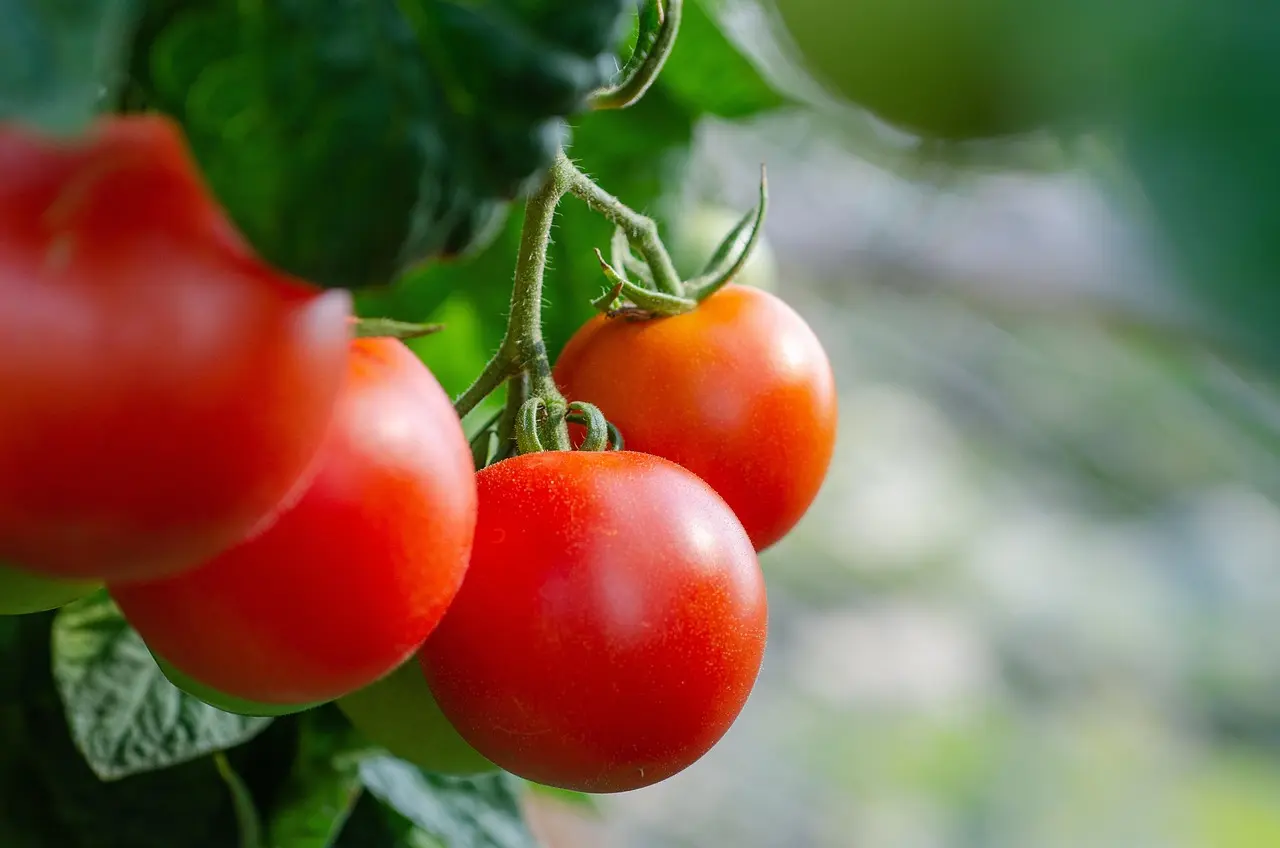
Tuscany, Italy: Olive Groves, Vineyards & Slow-Food Stewardship
Tuscany remains a benchmark for food travel centered on ingredient origins. Here, olive oil isn’t bottled — it’s pressed within hours of hand-picking centuries-old Frantoio and Leccino olives. Visitors join harvests in late October, crush fruit in traditional stone mills, and taste unfiltered ‘nuovo’ oil still warm from the press.
Equally compelling are Chianti Classico vineyards where Sangiovese grapes ripen on limestone-rich slopes. Through certified Slow Food tours, travelers walk with biodynamic vintners, taste must straight from the fermentation tank, and compare terroir-driven expressions across micro-zones like Gaiole and Radda. These experiences embody food travel at its most grounded — where every bite tells a story of geology, season, and generational knowledge.
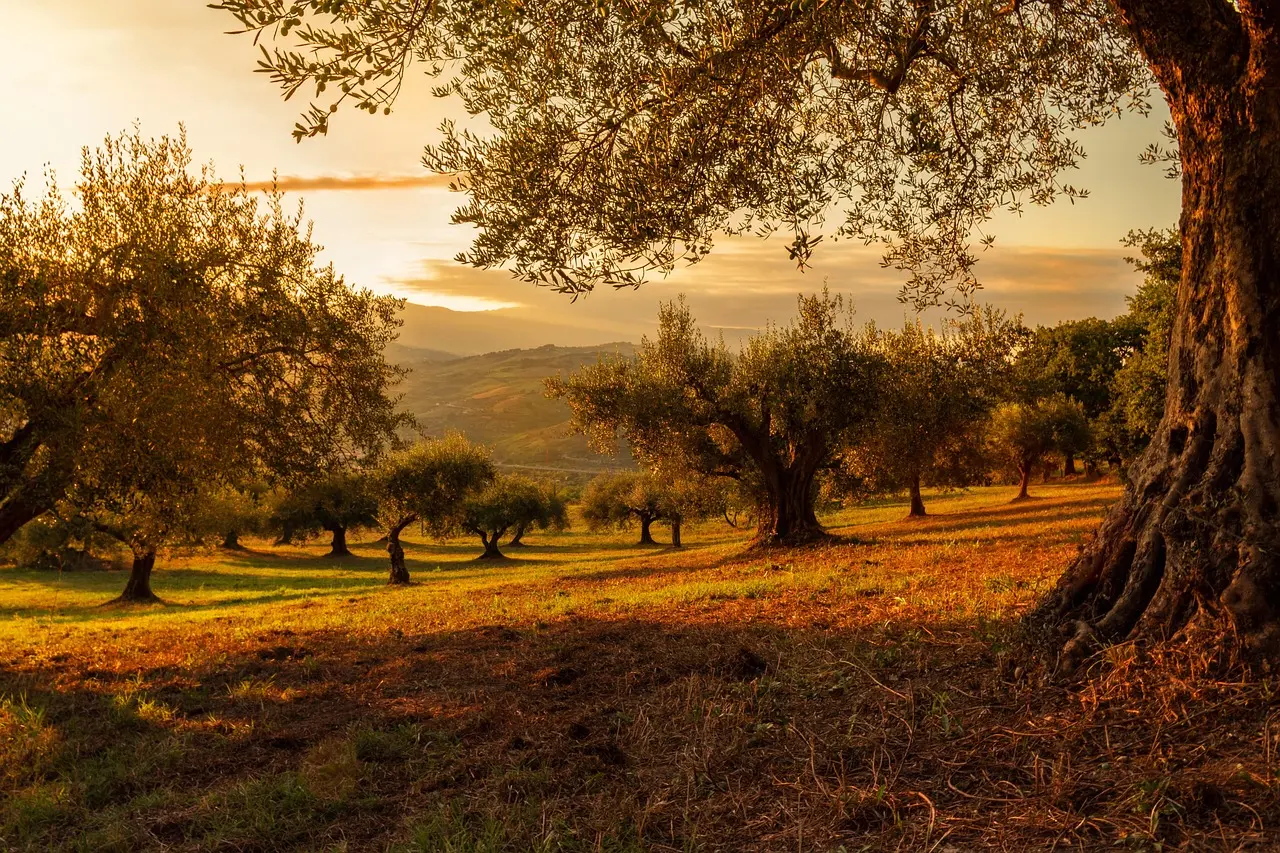
Oaxaca, Mexico: Maize, Mezcal & Ancestral Agroecology
In Oaxaca, food travel becomes an act of cultural reclamation. Over 60 native maize varieties — each with distinct flavor, texture, and ceremonial significance — are grown using milpa polyculture (corn-beans-squash intercropping). Visitors join Zapotec and Mixtec farmers during planting season, grind nixtamal by hand on metates, and shape tortillas over wood-fired comales.
Mezcal adds another layer: unlike mass-produced tequila, artisanal mezcal reflects exact provenance — agave species (espadín, tobaziche, tepeztate), elevation (1,200–2,400 m), soil type (volcanic vs. clay), and even the palenque’s unique wild yeast strains. Ethical food travel operators partner exclusively with cooperatives like Paloma de la Sierra, ensuring fair wages and transparent origin tracing — a model that proves food travel can drive equity and ecological resilience.

Kyoto Prefecture, Japan: Koji, Kombu & the Microbial Terroir
Japan redefines food travel through microbial precision. In Kyoto’s mountain villages, families cultivate koji mold on locally milled rice for miso and sake — each strain adapted to regional humidity and temperature. Travelers observe koji-kin incubation in cedar rooms, stir aging miso barrels in century-old storehouses, and taste seasonal variations shaped by spring rains or autumn dryness.
Meanwhile, Hokkaido’s Rausu coast supplies kombu kelp harvested only during March–May low tides — when mineral density peaks. Food travel itineraries include guided kombu foraging with Ainu knowledge-keepers, followed by dashi broth workshops emphasizing umami extraction timing and water quality. This hyper-local, seasonally attuned approach makes Japanese food travel a masterclass in ingredient-origin intelligence.

Peruvian Andes: Quinoa, Potatoes & High-Altitude Biodiversity
The Peruvian Andes host over 4,000 native potato varieties and 3,000 quinoa landraces — many cultivated above 3,800 meters. Food travel here means ascending to Quechua and Aymara communities in the Sacred Valley or Puno region, where travelers help plant native tubers using ancient waru waru raised-field techniques that regulate frost and moisture.
Visits to community-run quinoa cooperatives like ANAPQUI showcase post-harvest processing: sun-drying on alpaca-wool blankets, hand-winnowing to remove saponin, and roasting over llama-dung fires. These immersive food travel experiences combat monoculture threats while delivering unmatched nutritional depth and terroir expression — reinforcing why ingredient origins matter for both palate and planet.

Normandy, France: Cider Apples, Dairy Pastures & Terroir Transparency
Normandy’s food travel narrative centers on pastoral integrity. Here, ‘cidre bouché’ cider derives its complexity from 30+ heritage apple varieties — bitter-sharp, sweet, and aromatic — grown in hedgerow-protected orchards. Visitors tour Domaine Dupont to see pomace pressed in 19th-century hydraulic presses, then taste ciders aged in oak foudres that once held Calvados.
Equally iconic is Camembert de Normandie AOP — made exclusively from raw milk of cows grazing on calcium-rich pastures. Ethical food travel programs include dairy farm stays, morning milking, and affinage workshops where affineurs explain how cellar humidity and rind-washing frequency shape texture and aroma. This transparency — from pasture to plate — is what makes Normandy a cornerstone destination for ingredient-origin food travel.
Sustainable Practices & Ethical Considerations in Food Travel
Responsible food travel demands intentionality. Seek certifications like Slow Food Travel, UNESCO Creative Cities (Gastronomy), or Fair Trade Tourism partnerships. Avoid ‘origin-washing’ — marketing that evokes terroir without real producer engagement. Instead, prioritize operators who pay farmers direct premiums, limit group sizes to protect fragile ecosystems, and co-design itineraries with Indigenous cooperatives.
Ask critical questions: Are harvests timed to respect crop cycles? Is waste composted on-site? Do cooking classes use only seasonal, hyper-local ingredients? True food travel honors reciprocity — not extraction. When done right, it becomes regenerative: strengthening food sovereignty, preserving heirloom seeds, and revitalizing rural economies.
How to Plan Your Own Ingredient-Origin Food Travel Journey
Start with alignment: What ingredient fascinates you most? Truffles? Seaweed? Fermented fish sauce? Then research origin regions using FAO’s Globally Important Agricultural Heritage Systems (GIAHS) database or Ark of Taste listings. Next, vet tour operators via third-party reviews, transparency reports, and direct contact with host communities.
Book during peak harvest windows — not shoulder seasons — to ensure authentic participation. Pack reusable containers, learn basic local phrases, and bring curiosity over expectations. Remember: the best food travel moments often happen off-script — sharing tea with a Sardinian shepherds’ family, helping hang vanilla beans to cure in Madagascar, or tasting wild fennel pollen dusted over fresh pasta in Puglia.

Emerging Destinations for Next-Gen Food Travel
Look beyond established hubs: Georgia’s Kakheti region offers qvevri wine-making in buried clay vessels — where skin-contact amber wines express unique microflora from 8,000-year-old vineyards. In Senegal’s Casamance, Jola communities invite travelers to process fonio grain — Africa’s ancient gluten-free cereal — using mortar-and-pestle techniques unchanged for millennia.
Closer to home, Vermont’s maple syrup routes now feature sugarbush stewardship weekends, while Tasmania’s Bruny Island hosts seaweed foraging walks led by Palawa knowledge-holders. These destinations prove food travel is global, inclusive, and constantly expanding — always anchored in the simple, profound truth: great food begins long before the kitchen.

Food travel centered on ingredient origins is no passing trend — it’s a necessary evolution in how we experience culture, ecology, and connection. Whether you’re savoring Sicilian olive oil pressed at dawn, grinding Oaxacan maize with Zapotec elders, or tasting Andean potatoes grown at 4,000 meters, each journey reaffirms that flavor is geography made edible. To embark on your own food travel adventure, begin with humility, prioritize partnerships over performances, and remember: the most memorable meals aren’t served on plates — they’re grown in soil, tended by hands, and shared across generations. Start planning your ingredient-origin food travel journey today — because the world’s most authentic flavors are waiting not in restaurants, but in their rightful place: at the source.