Why These 15 Places in Korea Are Truly Unmissable
When planning a trip to Korea, choosing the right destinations is key to unlocking its rich cultural tapestry, dynamic urban energy, and breathtaking natural beauty. These 15 places in Korea represent the perfect blend of tradition and modernity — each offering unique stories, sensory delights, and unforgettable moments. Whether you’re a first-time visitor or returning to explore deeper, this curated list of places in Korea ensures you experience the country’s soul beyond guidebook highlights.
From Seoul’s royal heritage to Jeju’s volcanic landscapes, Busan’s seaside charm to Gyeongju’s ancient Silla Kingdom ruins, every location on this list has been selected for authenticity, accessibility, and lasting impact. We’ve prioritized diversity — including UNESCO World Heritage Sites, local food hubs, photogenic neighborhoods, and off-the-beaten-path gems — all while keeping practical travel logistics in mind. As one of the most sought-after destinations in Asia, Korea continues to captivate global travelers with its seamless fusion of past and future — and these 15 places in Korea are your essential roadmap.
1. Gyeongbokgung Palace — The Crown Jewel of Seoul
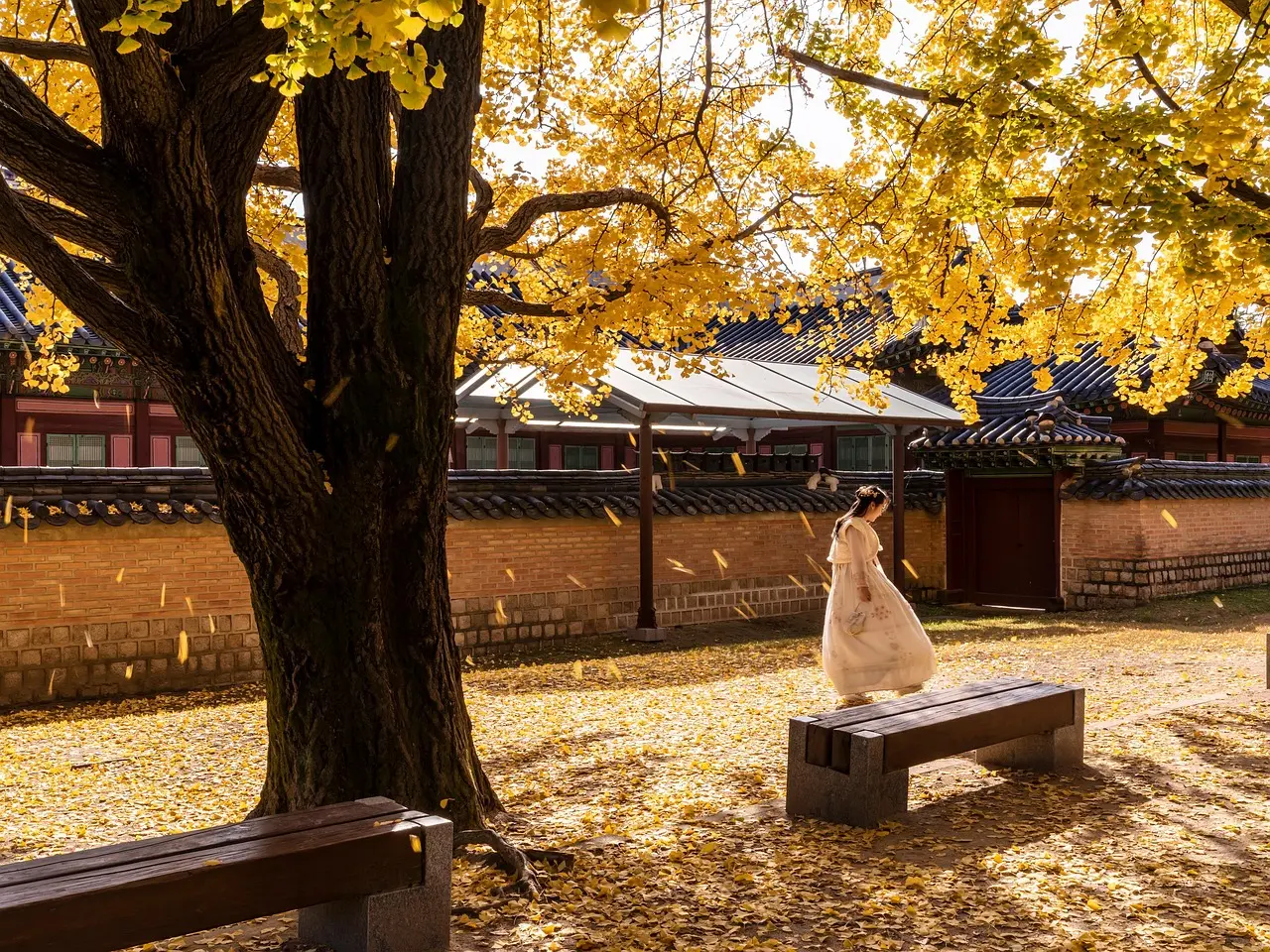
No list of places in Korea is complete without Gyeongbokgung Palace — the largest and most iconic of the Five Grand Palaces built during the Joseon Dynasty. Located in central Seoul, it’s not only a symbol of Korean sovereignty but also a living museum where history breathes through changing guard ceremonies, restored throne halls, and the majestic Geunjeongjeon Hall.
Visitors can rent hanbok for free entry (with advance reservation), stroll through the scenic Hyangwonjeong Pavilion, and explore the National Folk Museum on-site. As one of the top places in Korea for culture lovers, Gyeongbokgung offers profound insight into Confucian statecraft, royal architecture, and Korea’s resilient identity — making it a cornerstone among must-visit places in Korea.
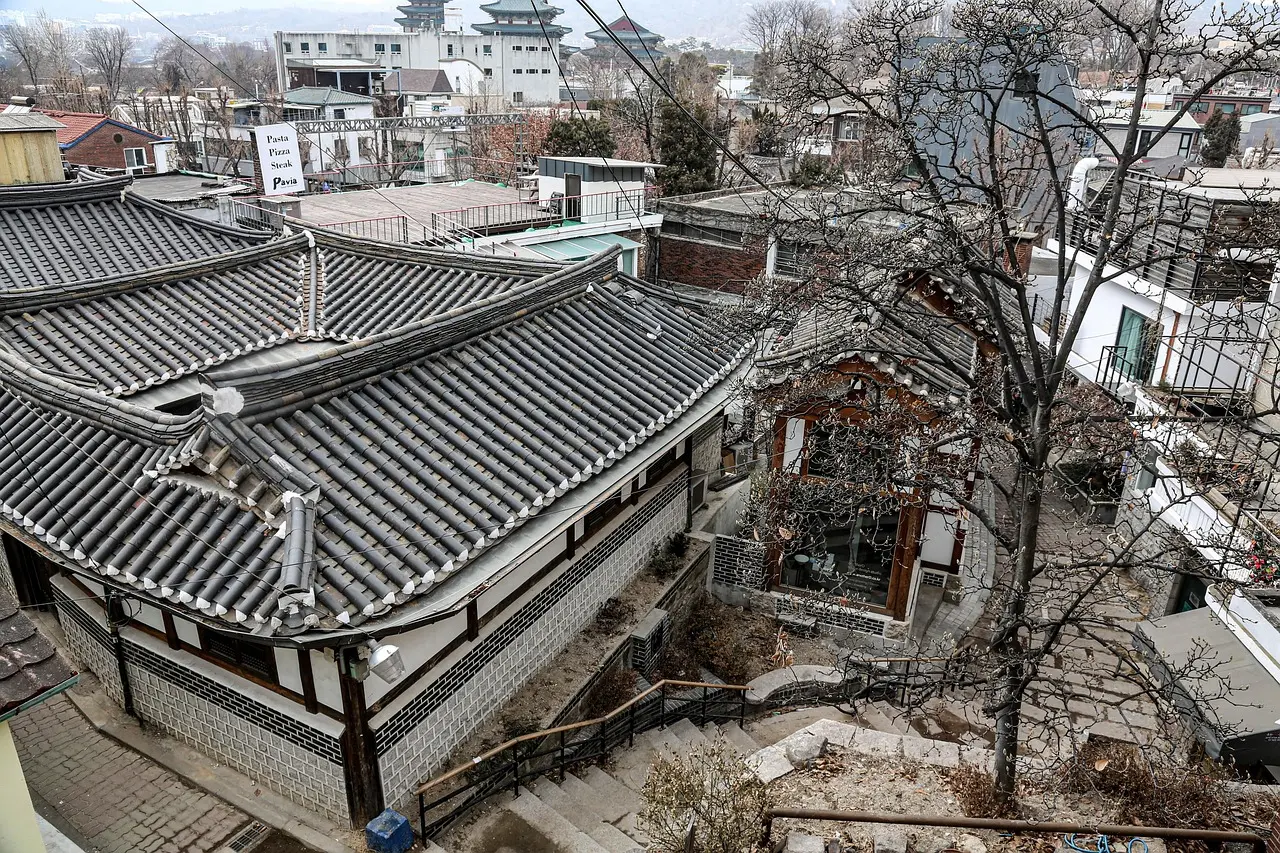
2. Bukchon Hanok Village — Time-Travel Through Traditional Korea
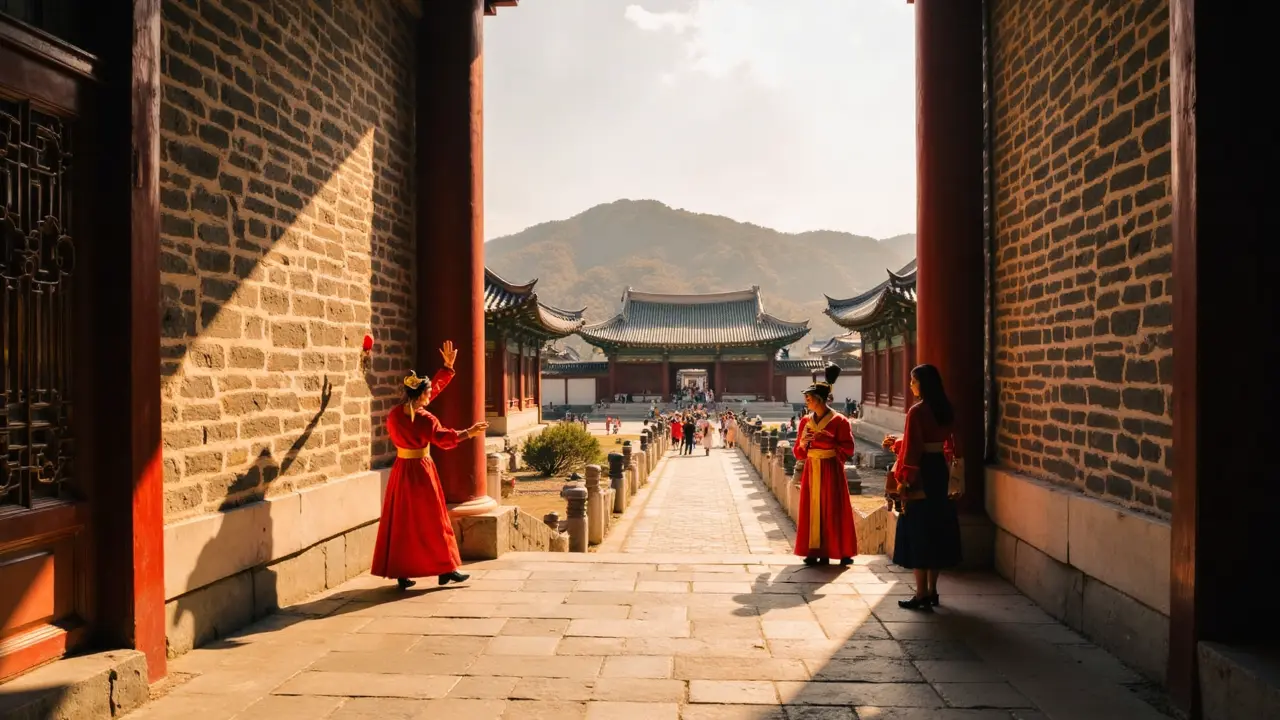
Tucked between Gyeongbokgung and Changdeokgung Palaces, Bukchon Hanok Village preserves over 900 traditional Korean houses (hanoks) dating back to the 14th century. Unlike reconstructed theme parks, this is a living neighborhood — where artisans, tea masters, and cultural educators continue centuries-old practices.
Wander narrow alleys lined with tiled roofs and wooden lattice windows, join a hands-on hanji paper-making workshop, or sip matcha in a centuries-old teahouse overlooking Seoul’s skyline. Among all places in Korea, Bukchon stands out for its immersive authenticity — a quiet, contemplative counterpoint to the city’s neon pulse.
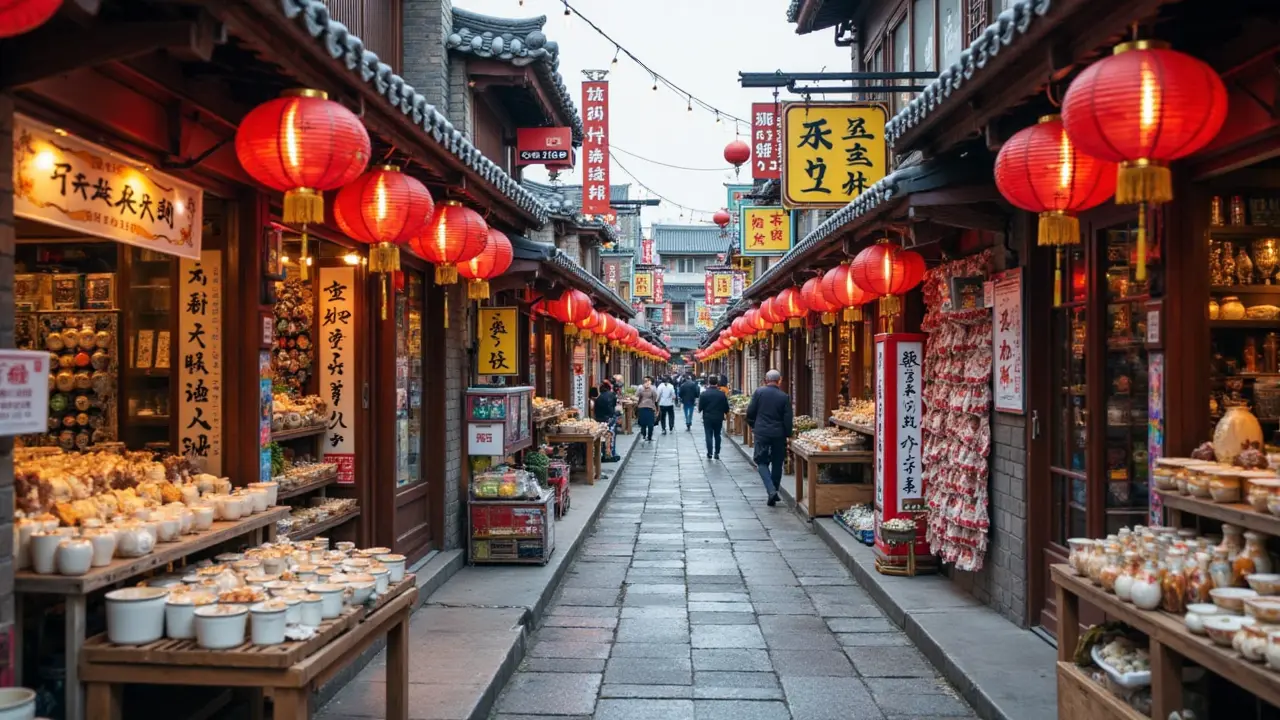
3. Insadong — Korea’s Living Arts & Antiques Quarter
Insadong is where Korea’s artistic soul pulses strongest — a vibrant district famed for calligraphy shops, antique dealers, handmade ceramics, and family-run tea houses. More than just shopping, it’s a sensory journey: the scent of roasted green tea, the clink of brass wind chimes, the rustle of hand-painted fans.
Don’t miss the monthly Insadong Culture Street Festival (held every Saturday), where street performers, ink painters, and mask dancers turn the avenue into an open-air stage. As one of the most culturally rich places in Korea, Insadong bridges generations — honoring craft traditions while inspiring contemporary design.
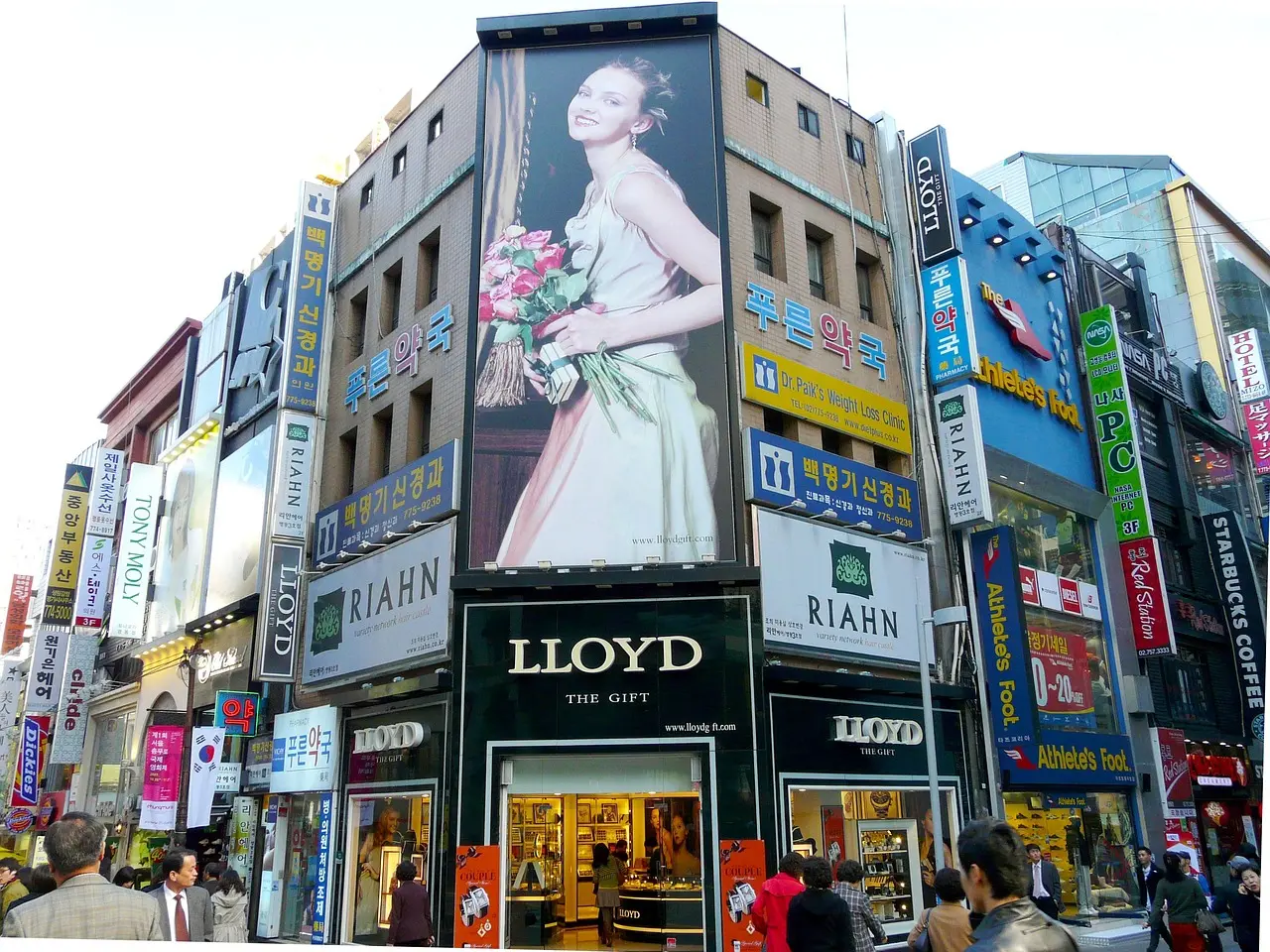
4. Myeongdong — Shop, Snack, and Soak Up Seoul’s Energy
Myeongdong is the electric heart of Seoul — a dazzling mosaic of K-beauty flagship stores, sizzling street food carts, pop-up fashion boutiques, and neon-lit billboards. It’s where trends are born, skincare routines are upgraded, and late-night ramen becomes sacred ritual.
From hotteok (sweet pancakes) to tteokbokki (spicy rice cakes) and freshly grilled squid, Myeongdong’s food alley is a culinary pilgrimage site. As one of the most energetic and accessible places in Korea, it’s ideal for solo travelers, families, and groups alike — a true microcosm of modern Korea’s dynamism.
5. Nami Island — Whimsy, Nature, and ‘Winter Sonata’ Magic
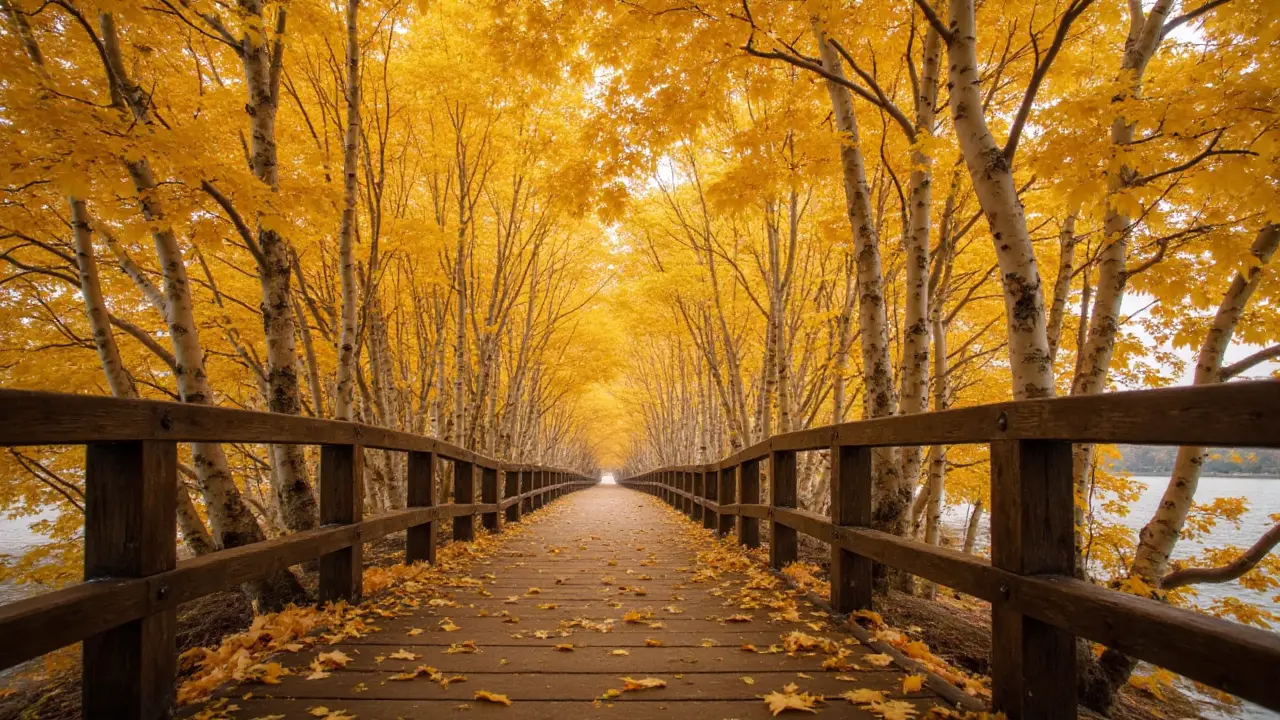
Just 63 km northeast of Seoul, Nami Island floats like a storybook illustration — a half-moon shaped island covered in ginkgo, maple, and weeping willow trees. Made globally famous by the K-drama *Winter Sonata*, it’s now a year-round destination known for art installations, cycling paths, and lakeside cafés.
Seasonal transformations make it one of the most visually stunning places in Korea: golden ginkgo lanes in autumn, snow-draped pines in winter, cherry blossoms in spring. With eco-friendly ferries and multilingual signage, Nami Island remains both dreamy and traveler-friendly — a peaceful escape among the top places in Korea.
6. Seoraksan National Park — Korea’s Mountain Majesty
Rising over 1,700 meters in Gangwon Province, Seoraksan National Park is a UNESCO Biosphere Reserve famed for jagged granite peaks, ancient temples, alpine flora, and dramatic waterfalls. Ulsanbawi Rock and Sinheungsa Temple are spiritual and scenic anchors — especially at sunrise or during the fiery hues of fall foliage.
Hiking trails range from gentle forest walks to challenging ascents like Daecheongbong Peak. As one of Korea’s premier eco-tourism destinations, Seoraksan offers solitude, stamina, and sublime vistas — confirming its status as a non-negotiable among places in Korea for nature lovers and photographers.
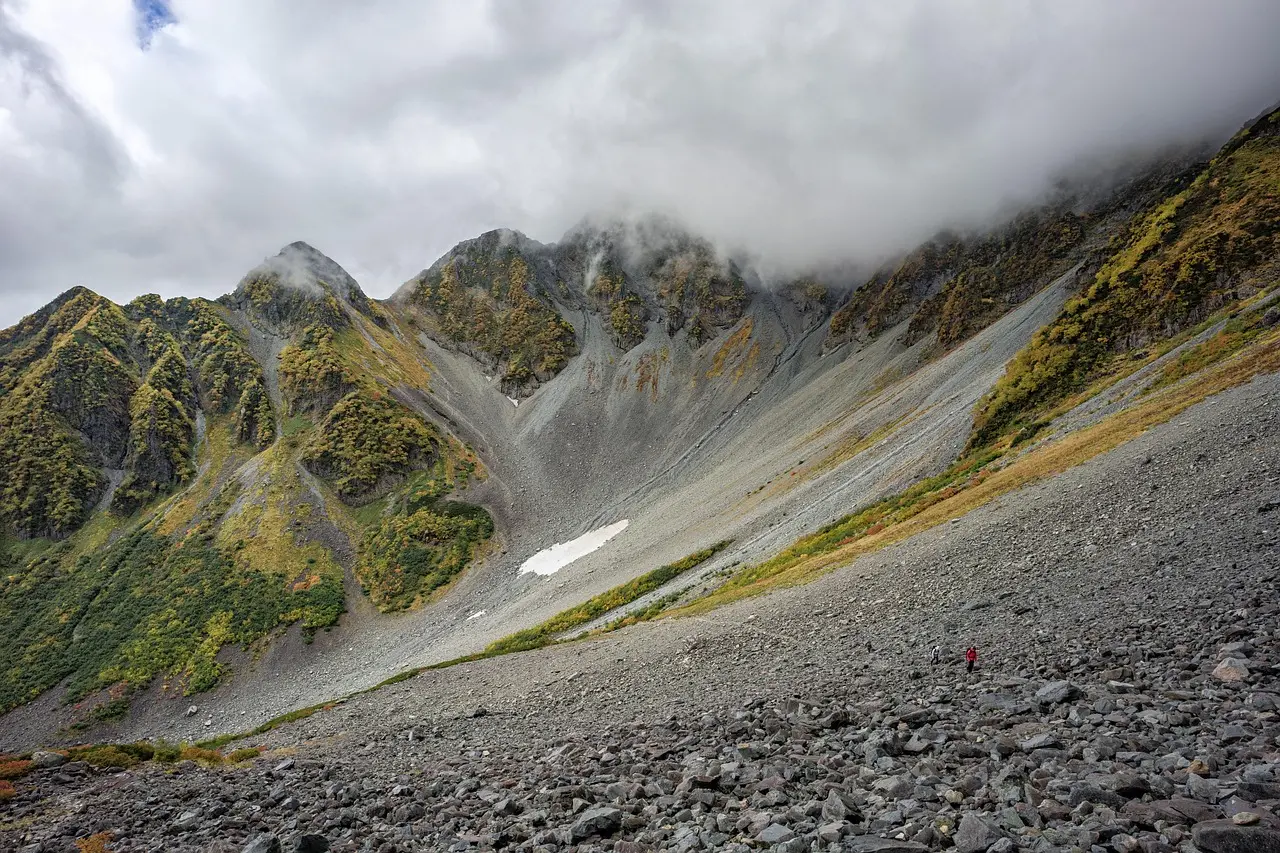
7. Busan’s Haeundae Beach — Sun, Sand, and Coastal Cool
Haeundae Beach isn’t just Korea’s most famous seaside stretch — it’s a cultural landmark. Stretching 1.5 km along Busan’s southeastern coast, it hosts the annual Busan International Film Festival, beach yoga sessions, and summer fireworks festivals.
Beyond sunbathing, explore the nearby Dongbaekseom Island, relax in oceanfront jjimjilbang (Korean sauna), or dine on fresh seafood at Jagalchi Market — just minutes away. As one of the most accessible and lively coastal places in Korea, Haeundae proves Korea’s appeal extends far beyond its capital.
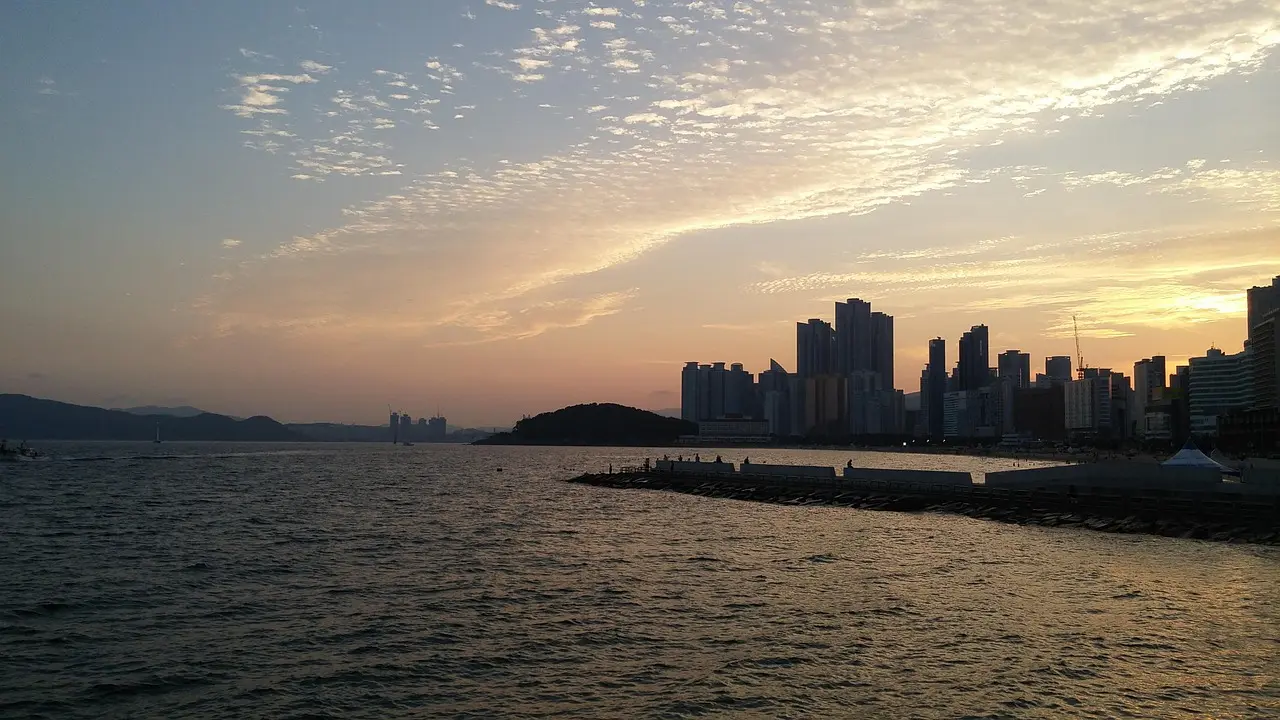
8. Gamcheon Culture Village — Busan’s Rainbow Hillside
Nestled on steep slopes overlooking Busan’s port, Gamcheon Culture Village began as a refugee settlement after the Korean War — today transformed into a living canvas of murals, sculptures, and indie galleries. Its labyrinthine stairways and colorful homes earned it the nickname ‘Korea’s Santorini’.
Join a guided mural tour, sip coffee at a cliffside café, or shop for handmade ceramics inspired by village motifs. As one of Korea’s most creative and community-driven places in Korea, Gamcheon exemplifies how grassroots art revitalization can redefine tourism — authentically and joyfully.
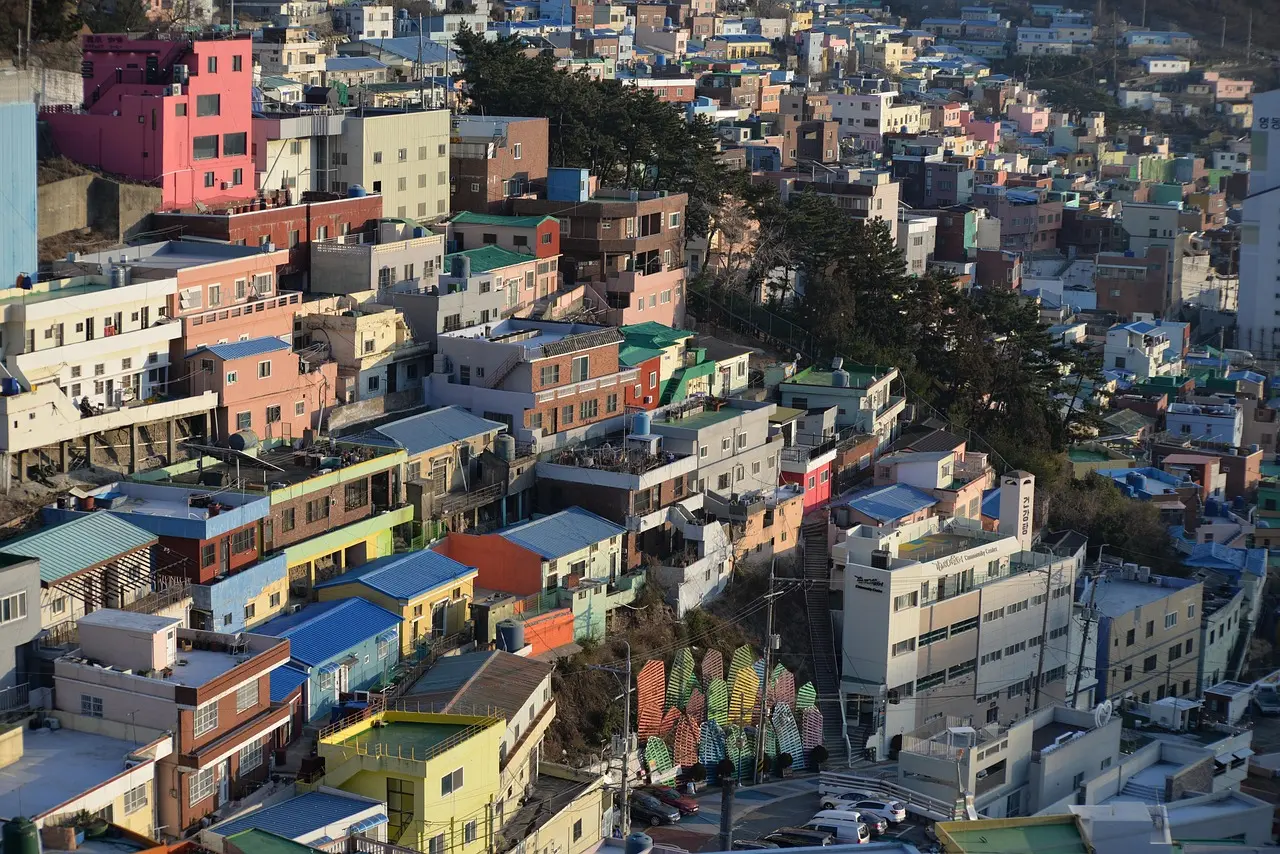
9. Jeju Island — Volcanic Wonders & Mythic Landscapes
Jeju Island is more than a destination — it’s a geological poem. A UNESCO World Natural Heritage Site, it boasts Hallasan (Korea’s highest peak), lava tubes like Manjanggul Cave, black-sand beaches, and the iconic Seongsan Ilchulbong Sunrise Peak.
Beyond geology, Jeju is home to haenyeo (female divers), traditional thatched-roof villages, and subtropical flora unseen elsewhere in Korea. Whether hiking volcanic craters or tasting hallabong citrus, Jeju delivers unmatched variety — securing its place as perhaps the most diverse and essential of all places in Korea.
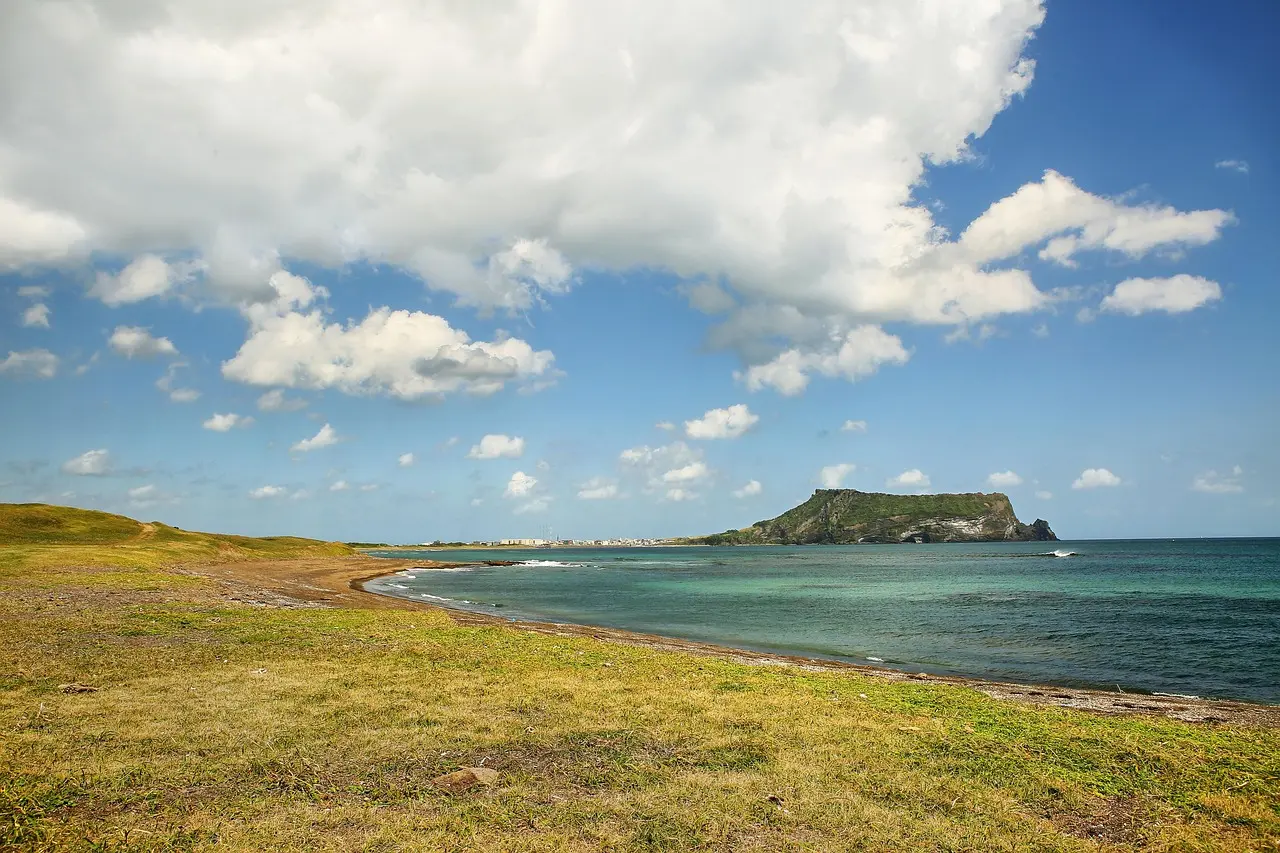
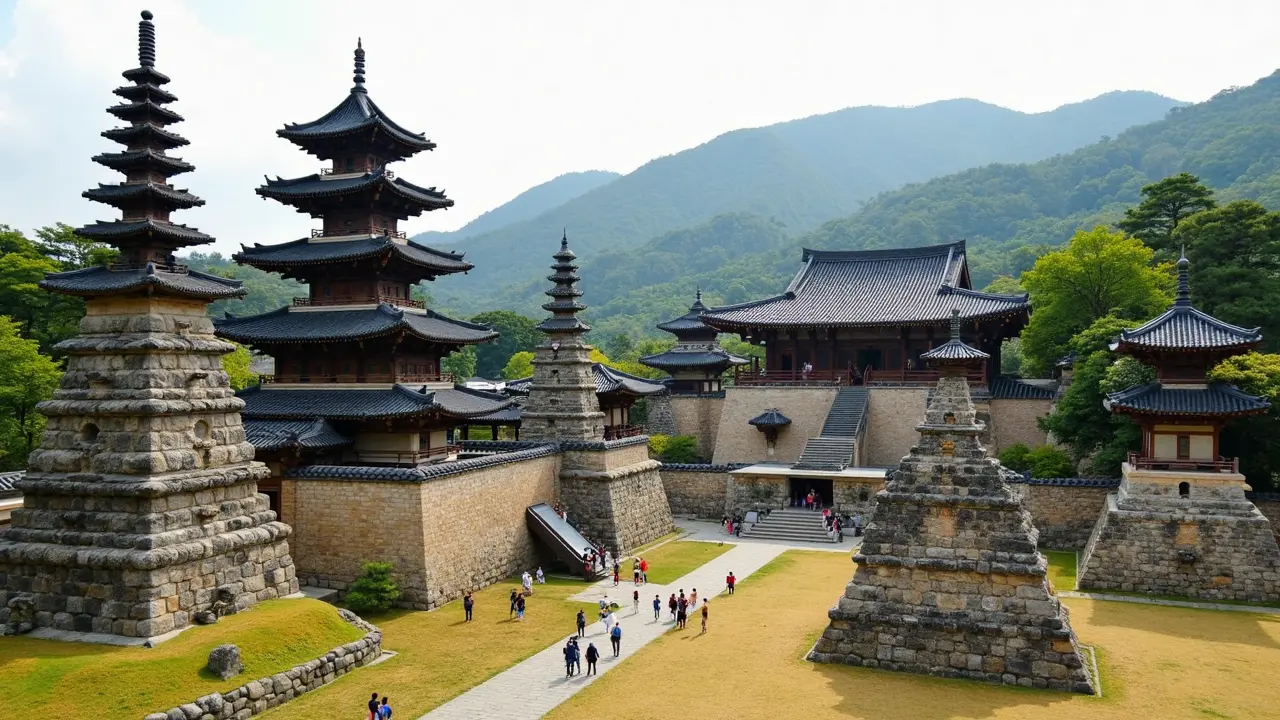
10. Gyeongju — Korea’s Open-Air Museum
Once the 1,000-year capital of the Silla Kingdom, Gyeongju feels like stepping into a living history book. UNESCO-listed Bulguksa Temple and Seokguram Grotto house masterpieces of Buddhist art and engineering — carved directly into granite cliffs in the 8th century.
Cycle past ancient burial mounds (like Cheomseongdae Observatory), explore the serene Anapji Pond at night, or try royal Silla cuisine at local restaurants. As Korea’s most historically dense destination, Gyeongju is indispensable among places in Korea for heritage seekers and archaeology enthusiasts.
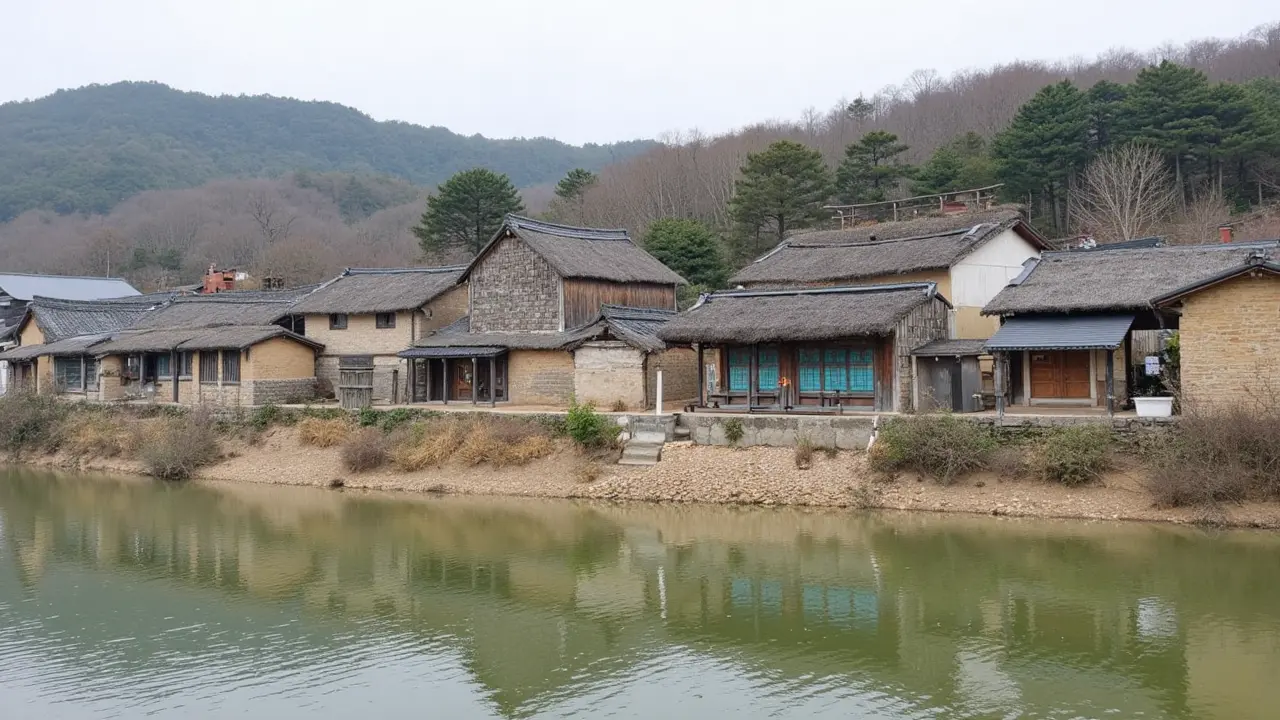
11. Andong Hahoe Folk Village — Where Tradition Still Breathes
A designated UNESCO World Heritage Site, Andong Hahoe Folk Village retains its original Joseon-era layout — with thatched-roof homes, clay walls, and the Nakdong River curving protectively around it. It’s the ancestral home of the Ryu clan and birthplace of Korea’s renowned talchum (mask dance).
Stay overnight in a hanok guesthouse, watch a live talchum performance, or try bindaetteok (mung bean pancakes) cooked over wood fire. Few places in Korea offer such unfiltered continuity between past and present — making Hahoe a quietly powerful addition to any itinerary of places in Korea.
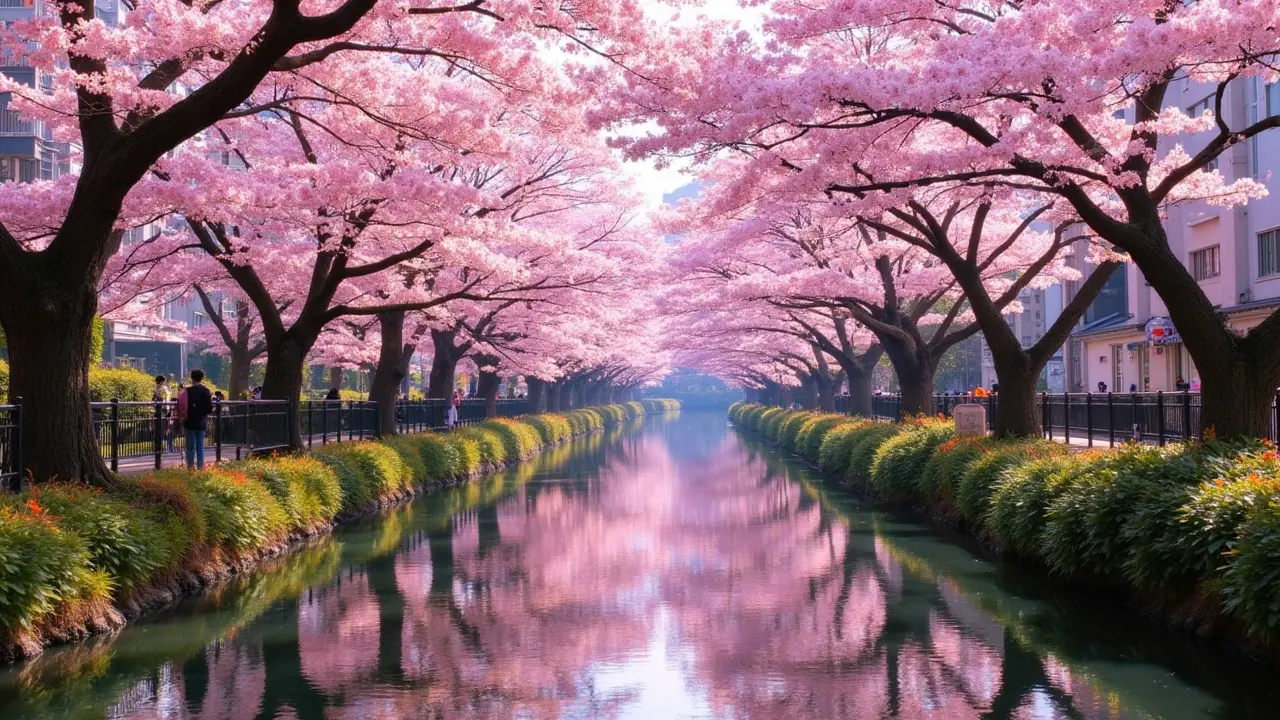
12. Jinhae Gunhangje Festival — Korea’s Cherry Blossom Spectacle
Every April, Jinhae transforms into a pink-and-white dreamscape during the Gunhangje Festival — Korea’s largest naval port celebration and cherry blossom event. Over 360,000 Yoshino cherry trees line Yeojwacheon Stream and the historic Gyeonghwa Station.
Board a vintage train, enjoy military band performances, and float under petal showers along lantern-lit pathways. While many know Korea for its blossoms, Jinhae delivers scale, history, and pageantry unmatched elsewhere — solidifying its spot among the most romantic and photogenic places in Korea.
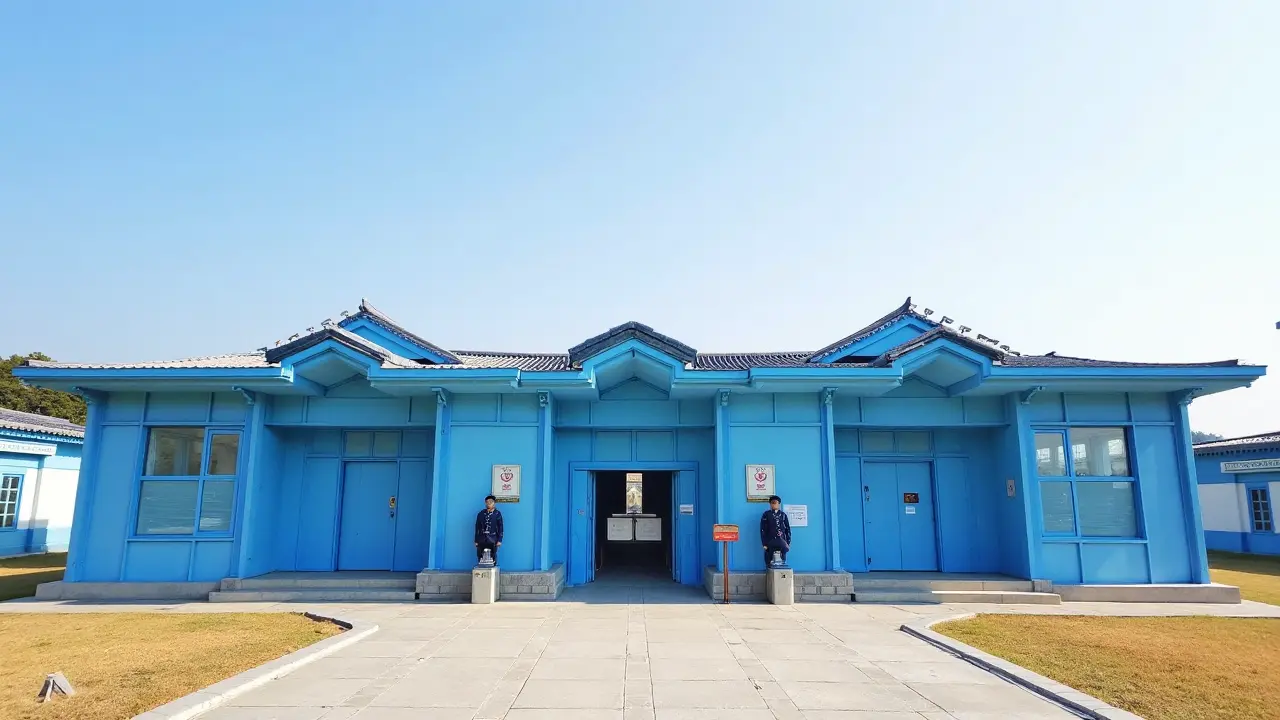
13. DMZ Tour — History, Tension, and Hope
The Demilitarized Zone (DMZ) is unlike any other destination — a 250-km-long, 4-km-wide buffer zone separating North and South Korea since 1953. Guided tours visit the Third Infiltration Tunnel, Dorasan Station (the ‘last station before Pyongyang’), and the Joint Security Area (JSA) at Panmunjom.
Though sobering, the DMZ tour offers unparalleled geopolitical insight and quiet reflection on peace, division, and resilience. As one of the most thought-provoking and uniquely Korean experiences, it’s a vital, respectful inclusion among places in Korea — especially for mature and educational travel itineraries.
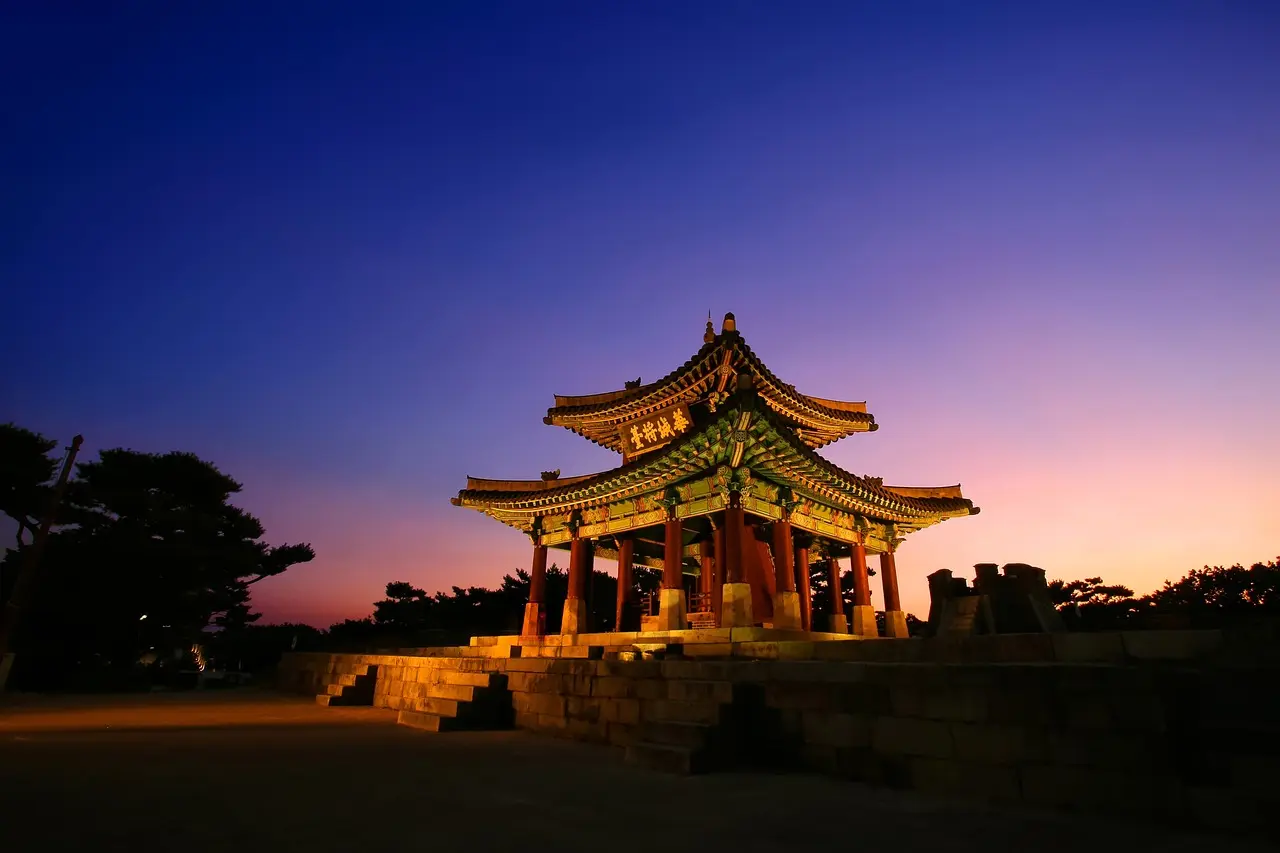
14. Suwon Hwaseong Fortress — Engineering Marvel & Royal Vision
Built in 1796 by King Jeongjo to honor his father, Suwon Hwaseong Fortress is a UNESCO World Heritage Site combining military innovation, Confucian philosophy, and aesthetic harmony. Its 5.7-km wall features four grand gates, watchtowers, secret passages, and archery platforms.
Rent a bicycle to circle the ramparts, attend the reenacted royal procession every weekend, or join a nighttime lantern walk. As one of Korea’s best-preserved fortresses — and a testament to Enlightenment-era Korean governance — Hwaseong deserves recognition among the most intellectually rewarding places in Korea.
15. Yangyang’s Osaek Skywalk — Edge-of-the-World Views
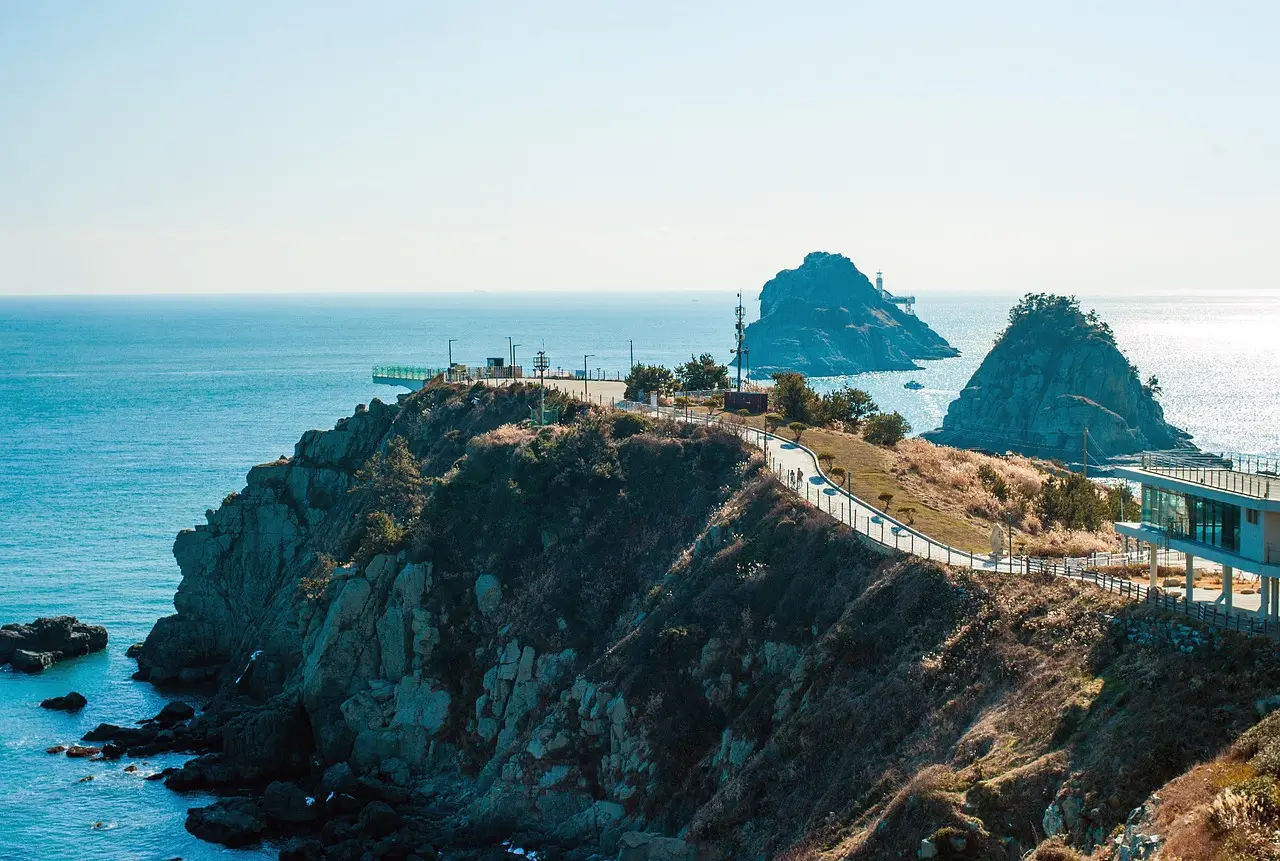
Perched on the cliffs of Osaek Mountain in Gangwon Province, the Osaek Skywalk offers vertigo-inducing glass-floor views 400 meters above sea level — with panoramic vistas of the East Sea and surrounding pine forests. Less crowded than similar attractions abroad, it emphasizes safety, sustainability, and serenity.
Pair your visit with a soak at nearby Yangyang Hot Springs or a hike to the 1,200-year-old Naewonsa Temple. As one of Korea’s newest and most exhilarating viewpoints, the Skywalk represents the country’s growing emphasis on experiential, nature-integrated tourism — rounding out our list of unforgettable places in Korea.
These 15 places in Korea collectively tell the story of a nation that honors its past while sprinting boldly into the future. From imperial palaces and sacred mountains to coastal villages and cutting-edge cities, each destination offers something irreplaceable — whether it’s cultural depth, natural wonder, culinary delight, or quiet introspection. As you plan your journey, remember that the magic of Korea lies not just in ticking off landmarks, but in lingering — sharing tea with a local artisan in Insadong, watching sunrise from Seongsan Ilchulbong, or listening to temple bells echo across Gyeongju’s ancient hills. Start mapping your itinerary today, prioritize based on season and interest, and embrace spontaneity — because some of the best places in Korea reveal themselves only when you wander without a map. Your unforgettable Korean adventure begins here.