
Why Cultural Experience Travel Is Transforming Modern Tourism
Cultural experience travel is no longer a niche trend—it’s the fastest-growing segment of sustainable tourism. Today’s discerning travelers seek more than sightseeing; they crave meaningful engagement through learning traditional handcrafts and cooking techniques. This form of immersive travel fosters deep intercultural understanding, supports local artisans and culinary heritage, and creates lasting personal transformation.
Learning traditional handcrafts and cooking techniques allows travelers to connect with centuries-old knowledge systems—whether mastering Oaxacan black pottery in Mexico or kneading sourdough with Tuscan nonne. Unlike passive observation, these hands-on cultural experiences activate memory, empathy, and skill retention. Research from the Journal of Sustainable Tourism (2023) shows that 78% of participants report stronger emotional ties to destination communities after engaging in skill-based cultural exchange.
This article explores ten globally celebrated destinations where learning traditional handcrafts and cooking techniques is not just possible—but deeply embedded in community life, curriculum, and daily ritual. Each location offers certified workshops, multilingual instruction, ethical access, and documented cultural continuity.
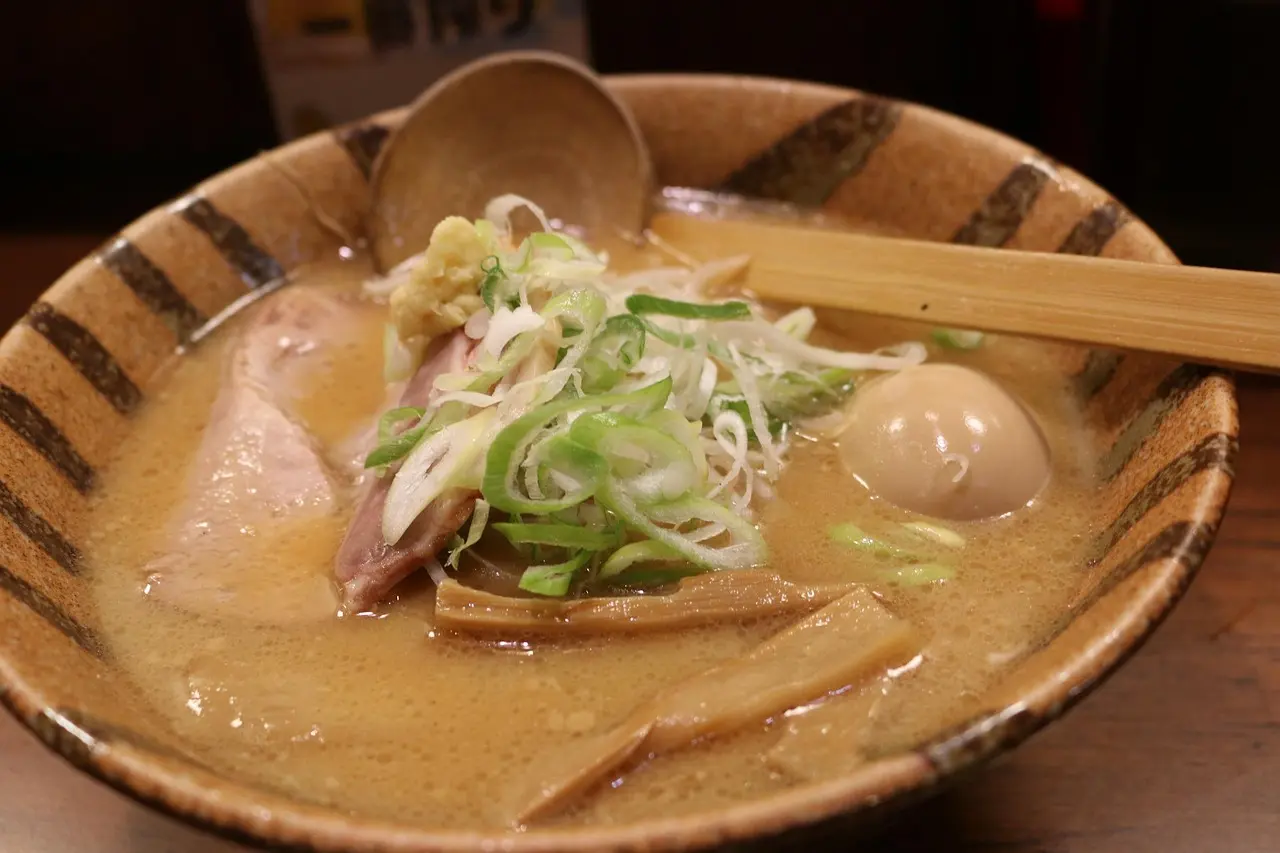
Kyoto, Japan: Mastering Washoku and Kyo-Yaki Pottery
Kyoto remains the epicenter of Japan’s intangible cultural heritage. Here, learning traditional handcrafts and cooking techniques means studying under Living National Treasures—master artisans designated by the Japanese government. The city hosts over 40 certified ‘Washoku’ (traditional Japanese cuisine) schools, where students learn dashi preparation, kaiseki plating, and seasonal ingredient sourcing.
Equally renowned are Kyoto’s Kyo-Yaki and Kiyomizu-Yaki pottery studios. In Higashiyama, multi-day workshops guide participants through clay selection, wheel-throwing, glazing with natural cobalt and iron oxides, and wood-fired kiln firing. These programs emphasize wabi-sabi philosophy—imperfection, transience, and humility—making them as much spiritual practice as technical training.
Pro tip: Book through the Kyoto Traditional Crafts Center for English-speaking instructors and guaranteed small-group sizes (max 6). All workshops include documentation of craft lineage and post-course digital recipe/tool guides—ideal for continuing your cultural experience journey at home.
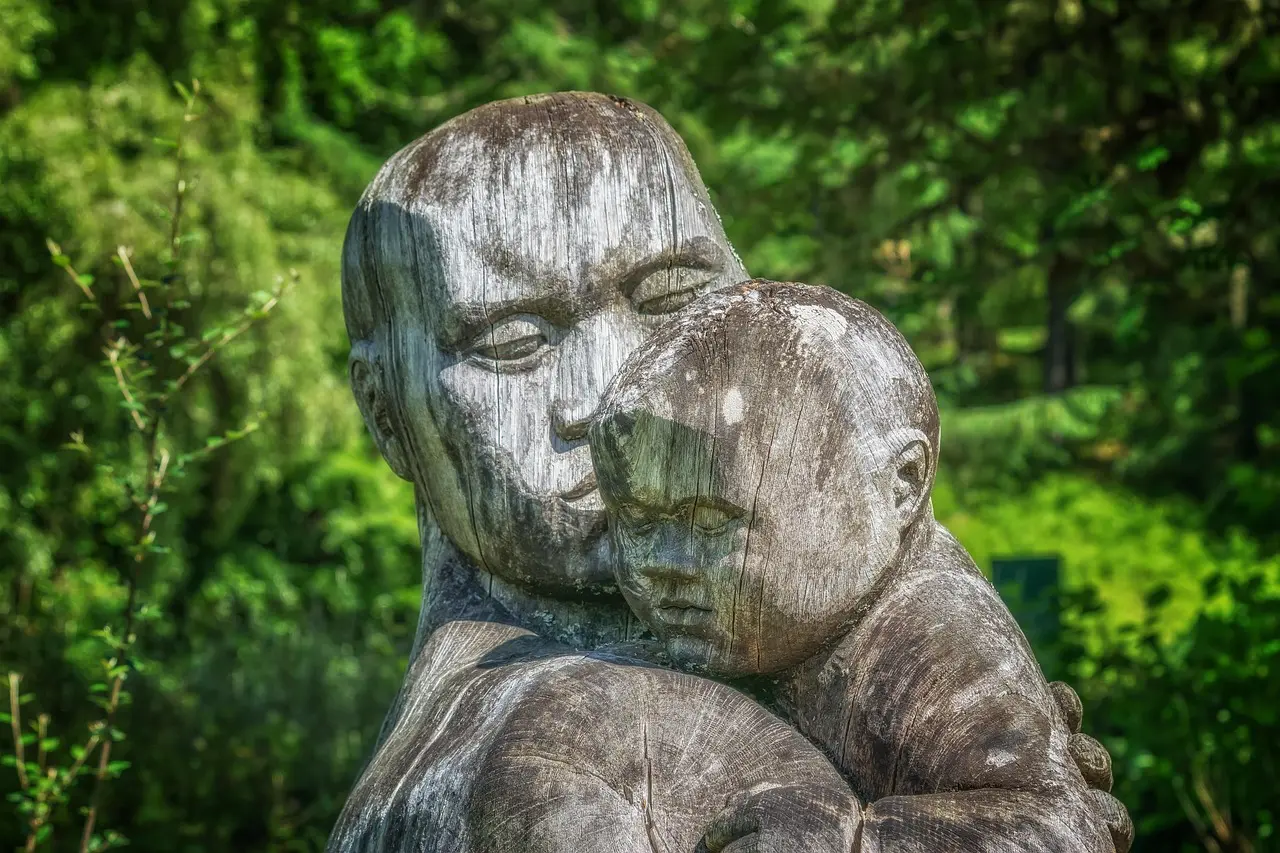
Oaxaca, Mexico: Zapotec Weaving and Mole-Making in the Sierra Norte
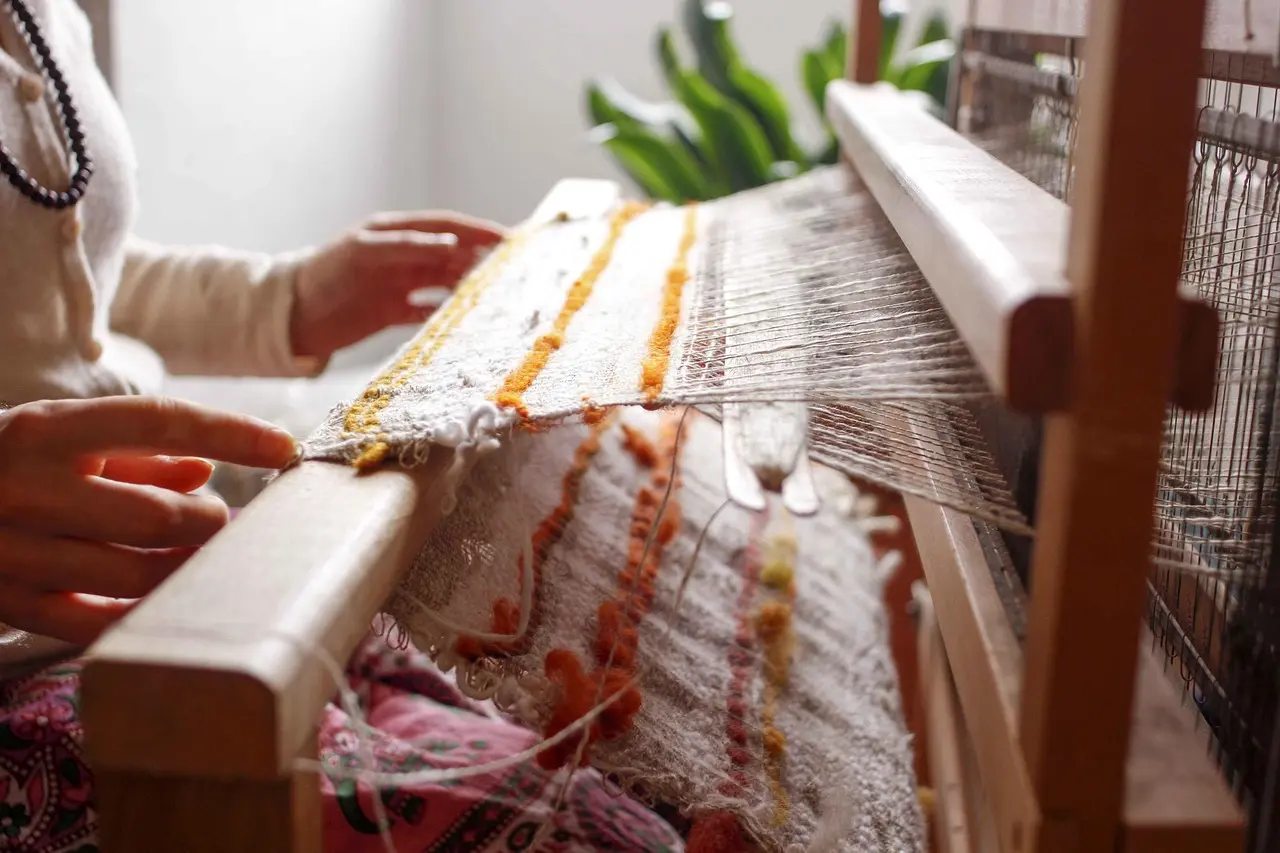
In the highlands of Oaxaca, learning traditional handcrafts and cooking techniques means entering a living continuum of Indigenous knowledge. The Zapotec weavers of Teotitlán del Valle use naturally dyed wool—cochineal red, indigo blue, and moss green—and backstrap looms passed down for over 2,000 years. Workshops include sheep-shearing visits, dye-pot demonstrations, and co-designing your own textile.
Simultaneously, Oaxacan mole is more than a sauce—it’s a cosmology in a mortar. At family-run cocinas like Doña Flor’s in San Martín Tilcajete, visitors grind chiles, nuts, spices, and chocolate on a metate stone while learning regional variations: negro, coloradito, amarillo, and chichilo. Each session concludes with a communal lunch served on hand-thrown barro negro pottery.
Ethical note: Prioritize cooperatives like Cooperativa de Artesanos de Teotitlán, which ensures fair wages, transparent sourcing, and bilingual (Zapotec/Spanish/English) instruction—upholding the integrity of cultural experience travel.
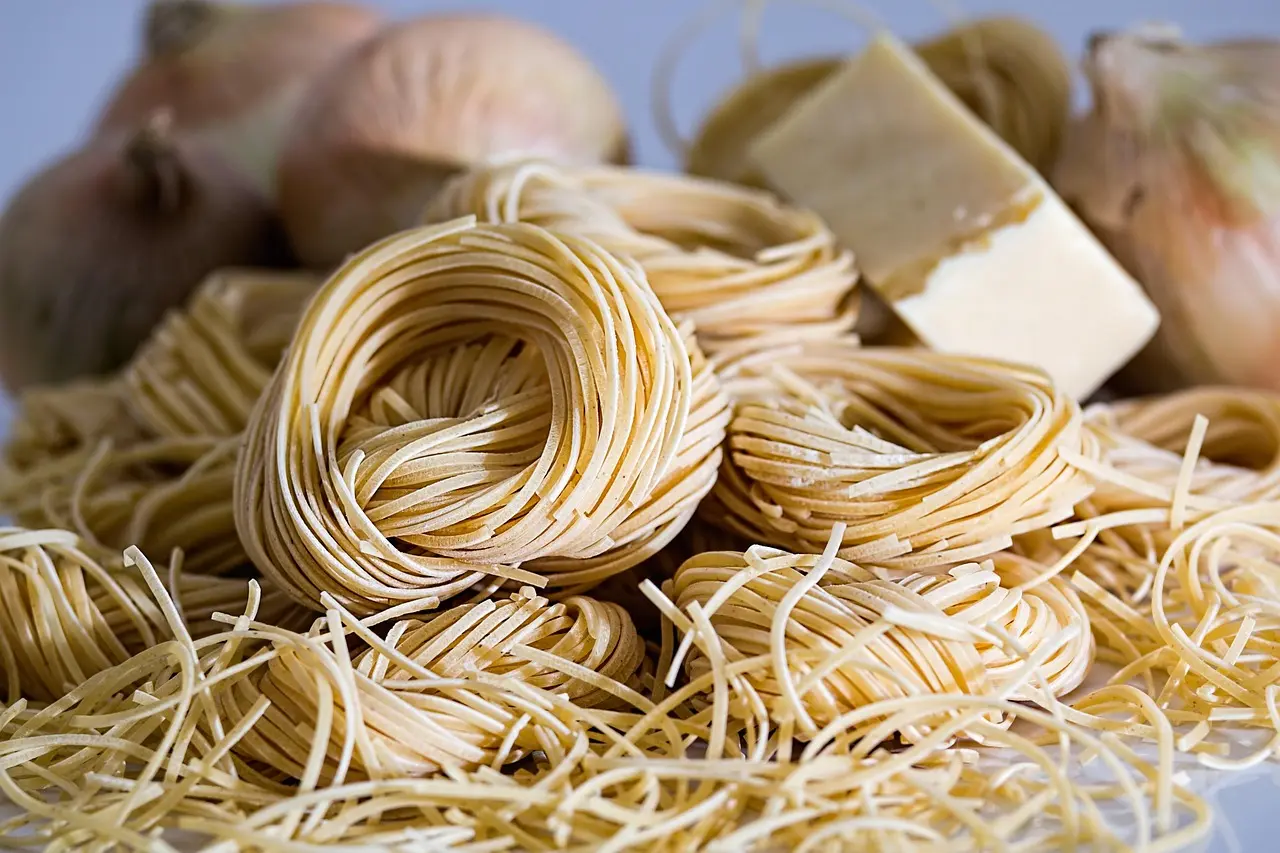
Lucca, Italy: Pasta Artigianale and Gold Leaf Illumination
Tuscany’s Lucca offers one of Europe’s most refined cultural experience opportunities: artisanal pasta-making paired with medieval manuscript illumination. At family-run pastifici like Antico Pastificio Lucchese, travelers learn egg-rich pici, strozzapreti, and ravioli di magro using bronze dies and marble worktables—techniques unchanged since the Renaissance.
Equally unique is Lucca’s gold leaf workshop tradition, revived by the Scuola di Miniatura. Under master illuminators, participants prepare animal-skin vellum, mix pigments from lapis lazuli and malachite, apply 22-karat gold leaf, and paint botanical motifs inspired by the 12th-century Codex S. Michele. This dual-focus itinerary bridges gastronomy and visual arts—two pillars of Italian cultural expression.
Bonus: Many Lucca cultural experience programs include vineyard visits to nearby Montecarlo DOC estates, where participants harvest grapes and press must—extending the ‘learning traditional handcrafts and cooking techniques’ journey into viticulture.
Fez, Morocco: Zellige Tilework and Tajine Craftsmanship
Fez’s UNESCO-listed medina is a living laboratory for learning traditional handcrafts and cooking techniques. At the historic Al-Andalous Workshop, apprentices spend five days mastering zellige—the geometric mosaic art using hand-chiseled terracotta tiles glazed in cobalt, emerald, and saffron. Each tile is cut with a metal hammer and set without grout—a technique requiring millimeter precision.
Parallel culinary immersion takes place in riad kitchens, where Berber women teach tajine construction (clay pot shaping and glazing), spice blending (ras el hanout formulation), and slow-cooked meat-and-fruit preparations. Students then cook their own lamb tajine over charcoal, served with freshly baked msemen flatbread.
Sustainability highlight: Fez’s cultural experience providers partner with the Fondation Es Saadi to fund apprenticeships for young women—ensuring intergenerational transmission of both traditional handcrafts and cooking techniques.
Ubud, Bali: Batik, Silver Smithing, and Balinese Cuisine
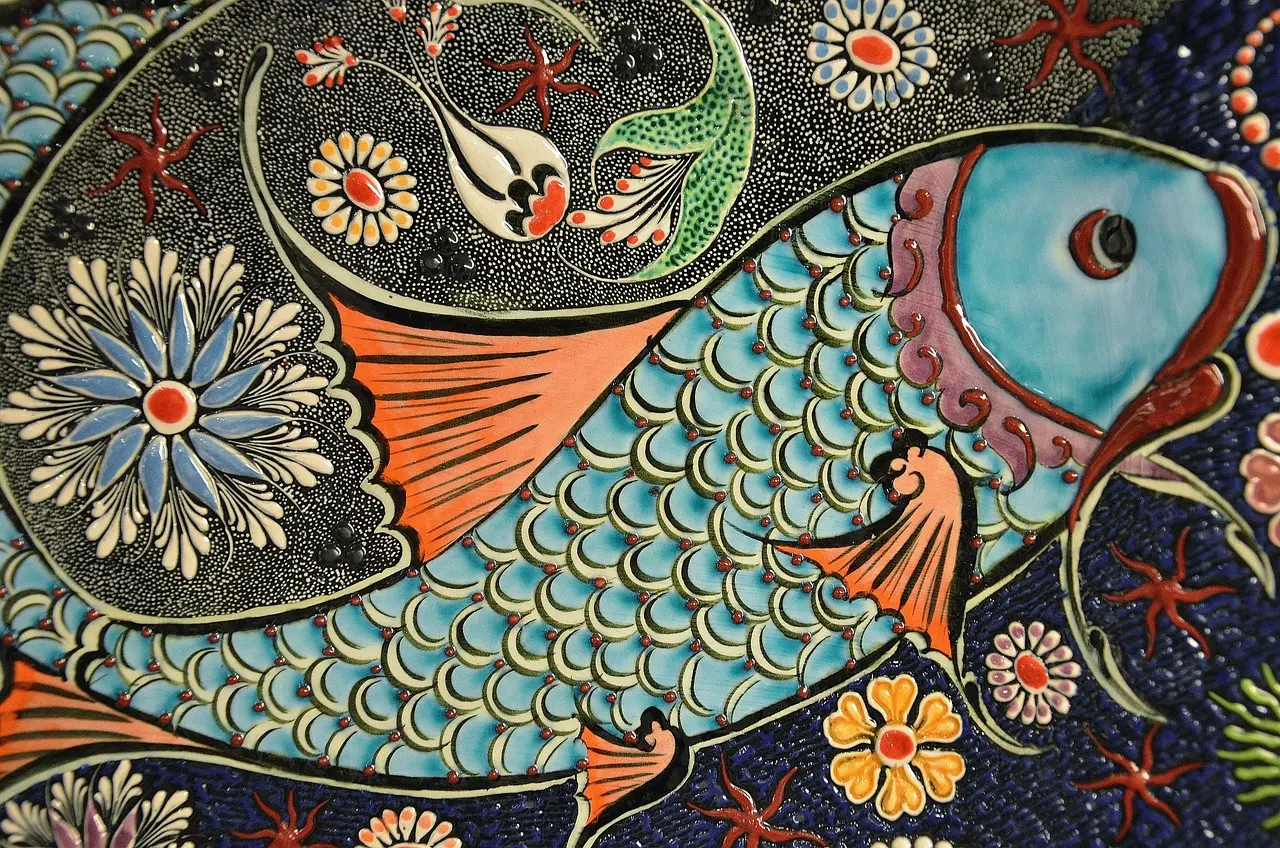
Ubud’s cultural landscape thrives on triadic mastery: textile, metal, and flavor. At Threads of Life’s Batik Studio, travelers learn canting tool application, natural indigo vat dyeing, and symbolic motif interpretation—including the parang rusak (broken knife) pattern representing resilience. Sessions conclude with framing your finished cloth using recycled teak.
Nearby, Celuk Village’s silver smithing ateliers invite guests to forge, file, and polish intricate filigree jewelry using centuries-old repoussé techniques. Meanwhile, at Paon Bali Cooking School, participants harvest lemongrass and turmeric from onsite gardens before preparing lawar, sate lilit, and bumbu dasar base pastes—all cooked over coconut husk fire.
What sets Ubud apart is its integration of Tri Hita Karana philosophy—harmony with God, people, and nature—into every lesson. This makes learning traditional handcrafts and cooking techniques here not only educational but spiritually resonant.
Lisbon, Portugal: Azulejo Painting and Pasteis de Nata Baking
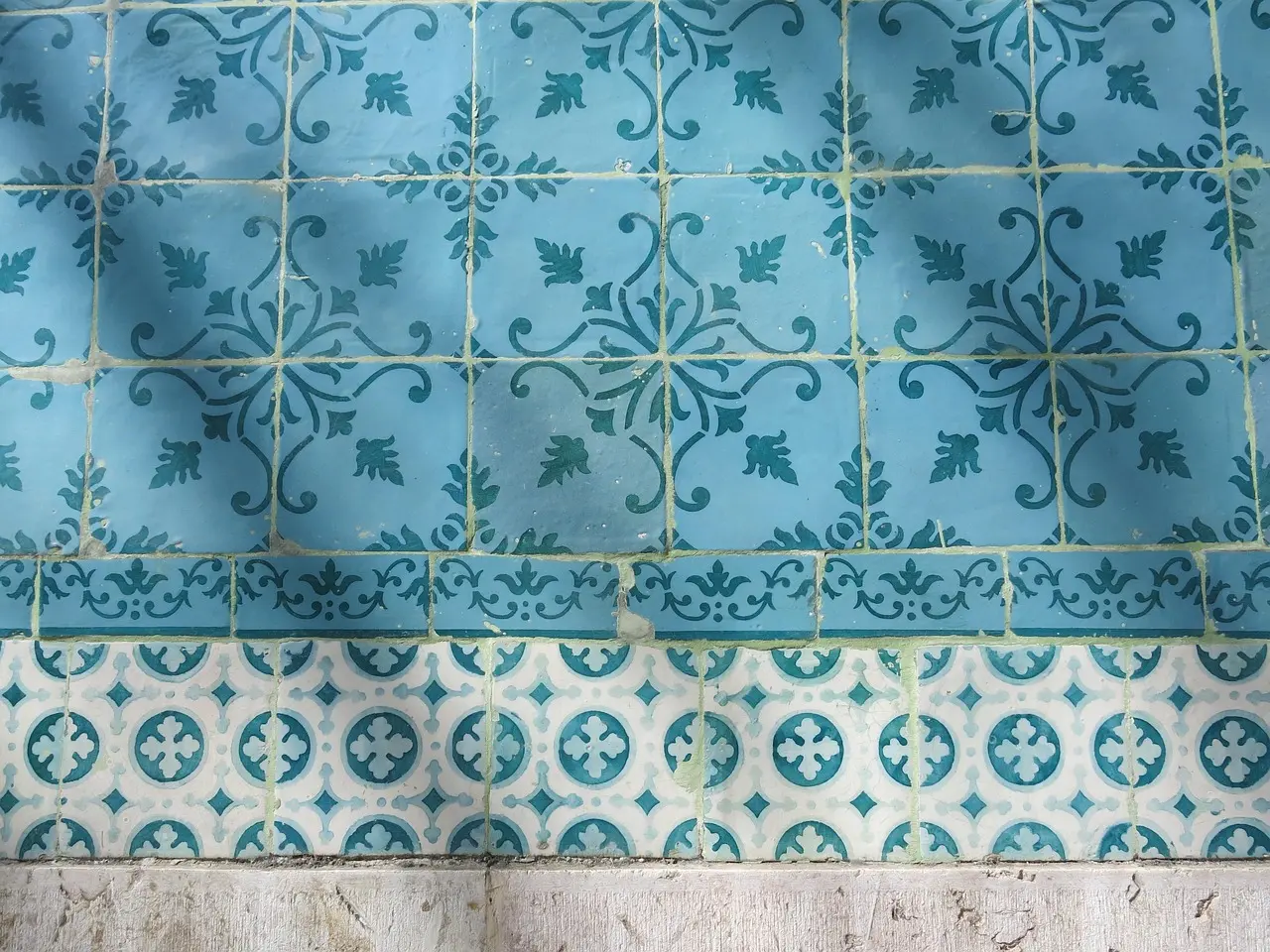
Lisbon merges Baroque grandeur with accessible cultural experience. At the Museu Nacional do Azulejo’s affiliated studio, travelers design original azulejo panels using cobalt-blue tin-glazed ceramic tiles, then paint historical motifs like maritime scenes or Manueline rope borders. Instruction includes tile cutting, glaze mixing, and kiln-firing theory.
Complementing this is Lisbon’s legendary pastry tradition. At Confeitaria Nacional’s masterclass, participants learn egg-yolk tempering, puff pastry lamination, and caramelization control for perfect pastéis de nata—Portugal’s iconic custard tarts. Classes include visits to local dairy farms and cinnamon importers to trace ingredient provenance.
All Lisbon cultural experience programs adhere to the EU’s Cultural Heritage Skills Certification Framework—ensuring pedagogical rigor, accessibility, and recognition of learning outcomes for lifelong learners and educators alike.
Chiang Mai, Thailand: Umbrella Making and Northern Thai Curry Paste Grinding
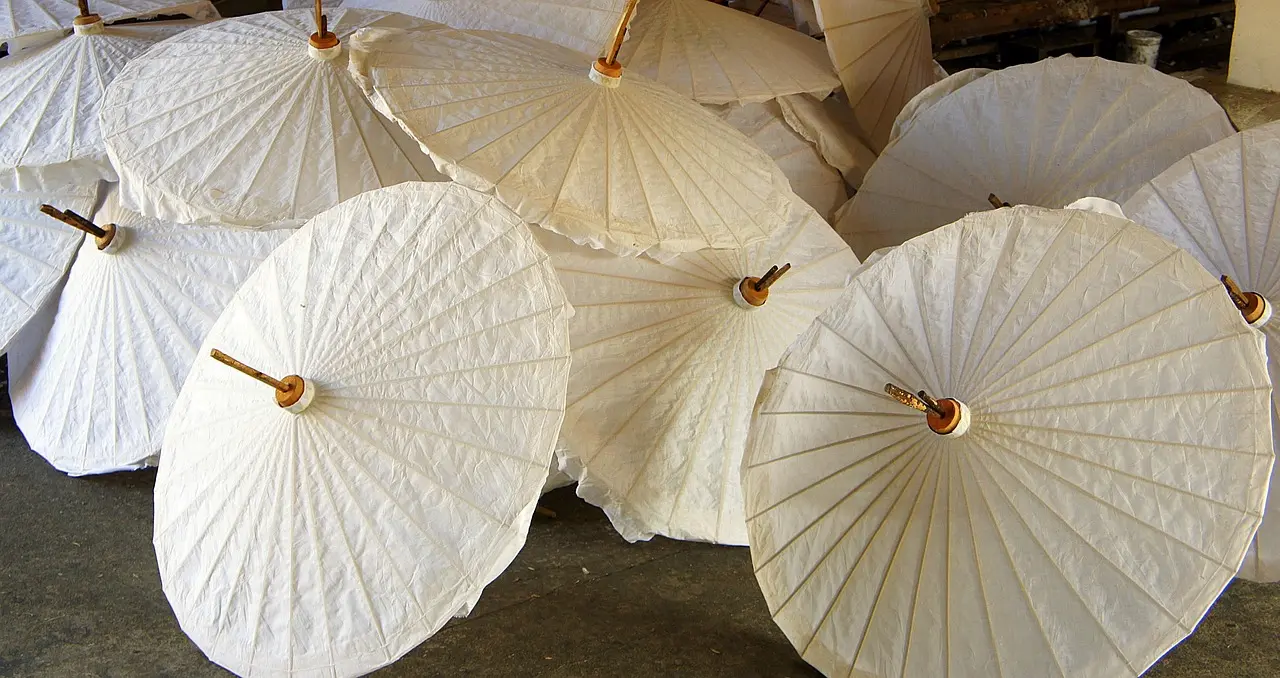
In Chiang Mai’s San Kamphaeng district, learning traditional handcrafts and cooking techniques centers on two emblematic crafts: sa paper umbrella making and khao soi curry paste preparation. At Bo Sang Umbrella Village, participants harvest mulberry bark, pound pulp into sheets, stretch frames over bamboo ribs, and hand-paint floral motifs using natural pigments.
At Mae Ja’s Kitchen, students grind dried chiles, galangal, shrimp paste, and fermented soybeans on a granite mortar to create authentic nam phrik—then simmer it into khao soi, northern Thailand’s rich coconut-curry noodle soup. Each session includes a visit to Wat Phra Singh’s temple kitchen, where monks still prepare ceremonial meals using 14th-century methods.
Cultural sensitivity note: All Chiang Mai programs require prior community consent and contribute 5% of fees to the Lanna Cultural Revival Fund—supporting language preservation and youth apprenticeship.
Lima, Peru: Pre-Columbian Textile Dyeing and Ceviche Crafting
Lima bridges ancient Andean knowledge with coastal innovation. At the Museo Amano’s satellite workshop, travelers learn pre-Inca dyeing techniques using cochineal, walnut husks, and alpaca dung as mordant—then weave on vertical looms replicating Paracas burial shrouds. Natural fiber sourcing includes visits to Chinchero’s Quechua cooperatives.
On the coast, ceviche isn’t just food—it’s archaeology in action. At Central’s ‘Ocean Lab’, chefs and marine biologists co-teach sessions on sustainable seafood sourcing, citrus acidity science, and native seaweed garnishes. Participants prepare tiraditos, causa rellena, and anticuchos using heirloom potatoes and Amazonian herbs.
Peru’s Ministry of Culture certifies all such programs under the ‘Patrimonio Vivo’ (Living Heritage) initiative—guaranteeing authenticity, community leadership, and measurable impact on cultural vitality.

Planning Your Cultural Experience Journey: Practical Tips
To maximize your learning traditional handcrafts and cooking techniques experience, book 3–6 months ahead—especially for peak seasons (spring in Japan, fall in Italy). Prioritize providers with UNESCO-endorsed status, Fair Trade Tourism certification, or national cultural ministry accreditation.
Pack thoughtfully: Bring sketchbooks for technique notes, breathable clothing for studio work, and reusable containers for take-home ingredients or samples. Always ask about post-travel support—many programs offer virtual mentorship, alumni networks, or digital archives of recipes and schematics.
Remember: The deepest cultural experience travel occurs when you listen first, observe closely, and engage humbly. Learning traditional handcrafts and cooking techniques is never about perfection—it’s about presence, respect, and reciprocity.
Learning traditional handcrafts and cooking techniques transforms travel from consumption to contribution. Whether shaping clay in Kyoto, grinding mole in Oaxaca, or painting azulejos in Lisbon, each destination offers a portal into living heritage—where skills are vessels of identity, memory, and resistance. As global tourism evolves, cultural experience travel stands out not just for its richness, but for its responsibility: honoring tradition while empowering communities. Start planning your next journey today—not to collect souvenirs, but to carry forward wisdom. Because the most enduring souvenirs aren’t objects—they’re the hands that learned, the palate that awakened, and the heart that remembered how to belong.