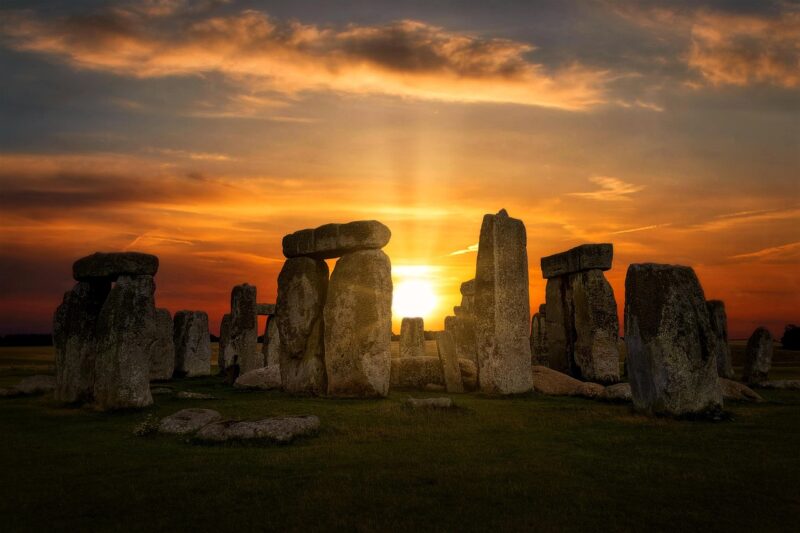
Why Visiting Ancient Landmarks Is a Transformative Travel Experience
Visiting ancient landmarks is more than sightseeing — it’s stepping into humanity’s shared memory. These enduring monuments tell stories of empires, engineering brilliance, spiritual devotion, and cultural resilience. Whether you’re tracing the stone steps of the Great Wall or standing beneath the shadow of the Giza Pyramids, visiting ancient landmarks connects you across millennia.
For modern travelers seeking depth, authenticity, and educational value, visiting ancient landmarks offers unmatched richness. Unlike fleeting trends in tourism, historic monuments remain timeless anchors — drawing over 150 million visitors annually to UNESCO World Heritage Sites alone. And with rising global interest in cultural tourism, visiting ancient landmarks has never been more relevant — or more accessible.

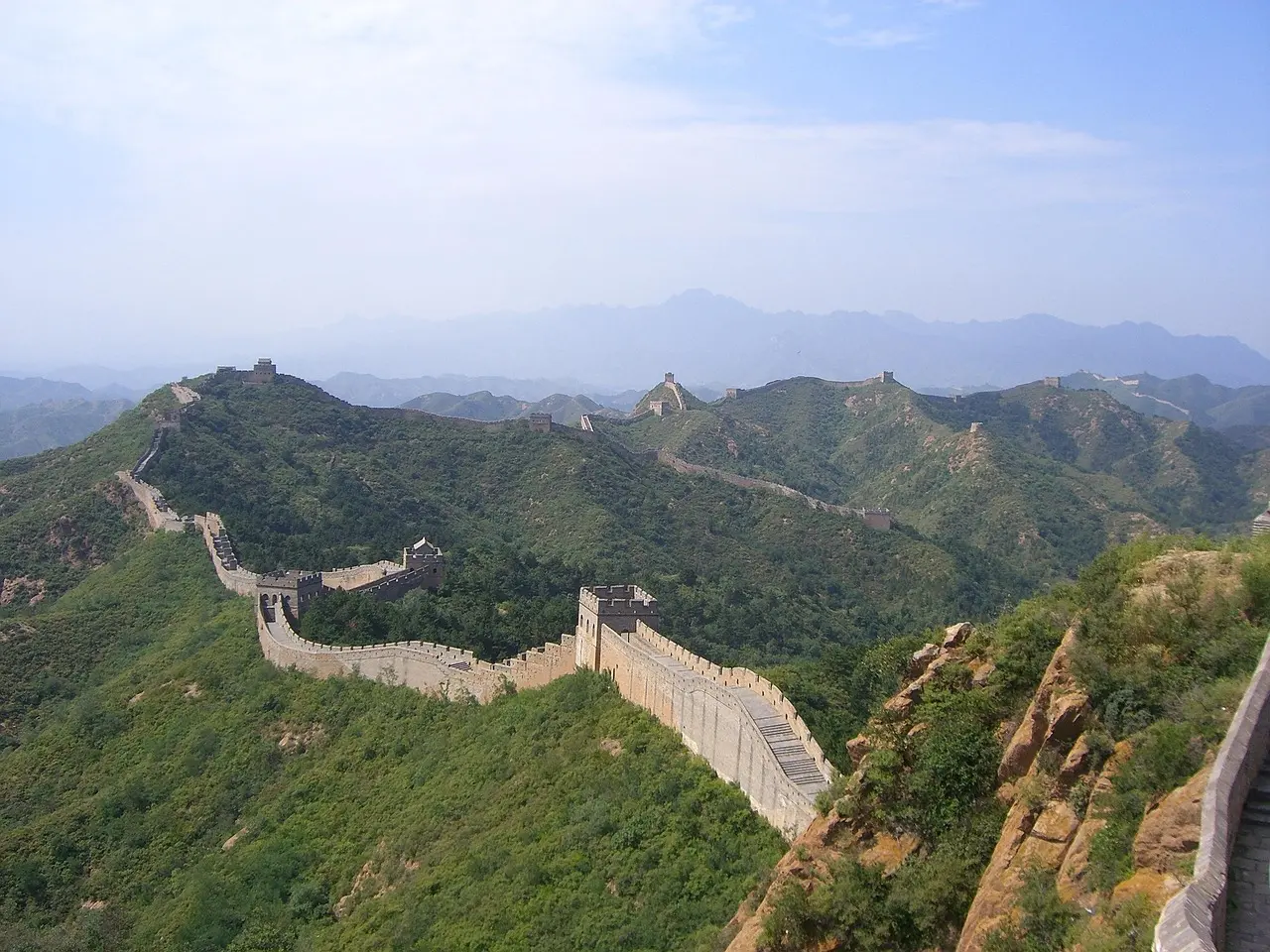
The Great Wall of China: Engineering Marvel and Cultural Icon
No list of must-see ancient landmarks is complete without the Great Wall of China — a 13,000-mile network of fortifications built across dynasties. Stretching from Shanhaiguan in the east to Jiayuguan in the west, this UNESCO World Heritage Site remains one of the most iconic examples of visiting ancient landmarks.
While Badaling and Mutianyu are the most visited sections due to accessibility and restoration, lesser-known stretches like Jinshanling and Jiankou offer raw authenticity and fewer crowds — ideal for photographers and history enthusiasts. Pro tip: Visit in spring (April–May) or autumn (September–October) for mild weather and clear skies — perfect for visiting ancient landmarks without summer humidity or winter winds.
The Pyramids of Giza: Timeless Symbols of Ancient Egypt
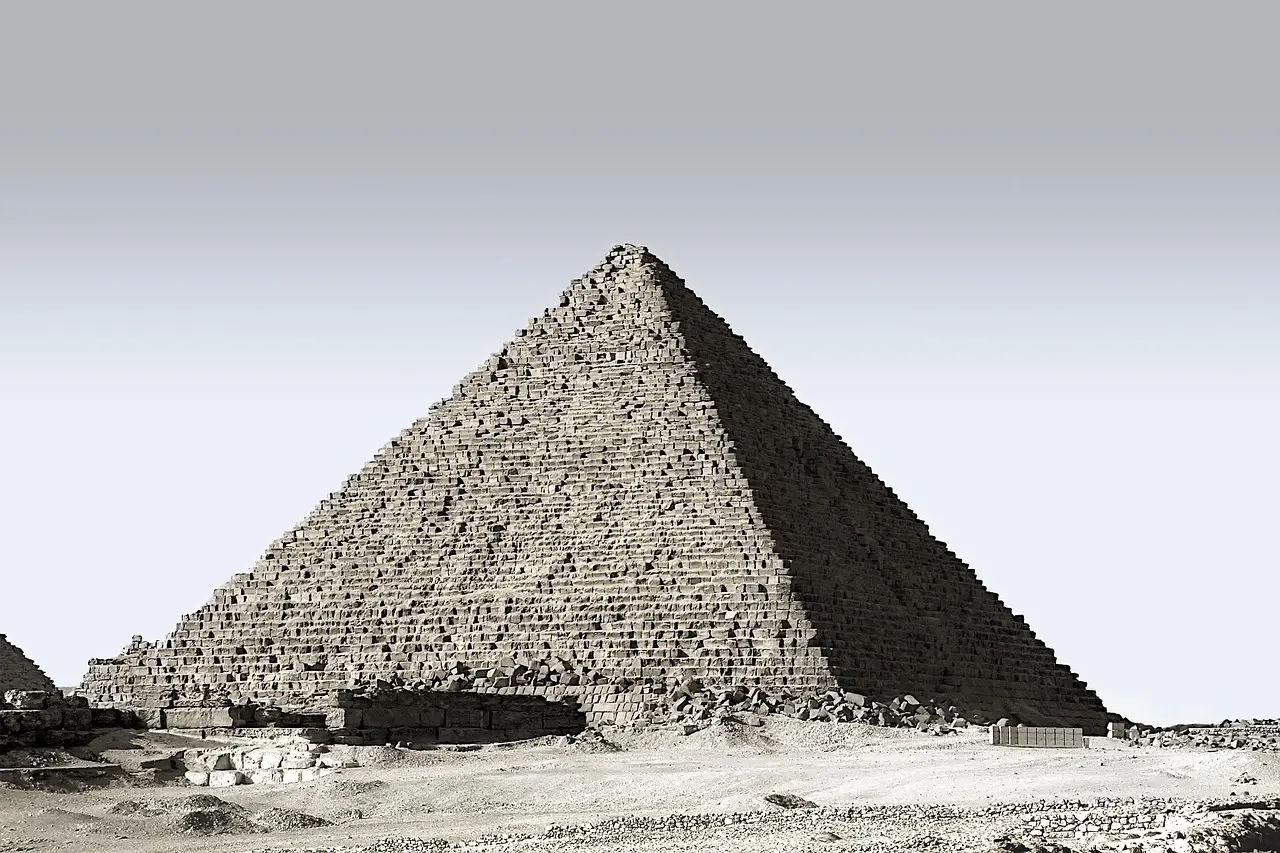
Visiting ancient landmarks reaches its zenith at the Giza Plateau, home to the last surviving Wonder of the Ancient World: the Great Pyramid of Khufu. Built over 4,500 years ago, these limestone giants continue to astound archaeologists and travelers alike.
Beyond the pyramids, the Sphinx, Saqqara’s Step Pyramid (the world’s oldest stone structure), and Dahshur’s Bent and Red Pyramids enrich any itinerary focused on visiting ancient landmarks. For an immersive experience, book a guided tour with a certified Egyptologist — many include early access before public hours, ensuring quieter moments amid millennia-old stones.
Machu Picchu: The Lost City Among the Andes
Perched 7,970 feet above sea level in Peru’s Sacred Valley, Machu Picchu epitomizes the magic of visiting ancient landmarks off the beaten path. This 15th-century Incan citadel was unknown to the outside world until 1911 — and today, it remains a pinnacle of pre-Columbian architecture and astronomical alignment.
To fully appreciate visiting ancient landmarks like Machu Picchu, consider hiking the Inca Trail (permits required months in advance) or taking the scenic train from Cusco. For sustainable travel, limit your stay to one day and support local Quechua guides — a practice that honors both heritage and community.

Petra, Jordan: The Rose-Red City Carved in Stone
Few experiences rival walking through the narrow Siq canyon toward Petra’s iconic Al-Khazneh façade — a 2,000-year-old Nabataean treasury carved directly into rose-hued sandstone. As a UNESCO site and one of the New Seven Wonders of the World, Petra stands as a masterpiece among visiting ancient landmarks.
Don’t miss the Monastery (Ad-Deir), the Royal Tombs, and the High Place of Sacrifice for panoramic views. Visit early or late to avoid midday heat and crowds — and bring sturdy shoes: Petra spans over 100 square miles of terrain, rewarding those who explore beyond the postcard spots while visiting ancient landmarks.

Angkor Wat, Cambodia: A Cosmic Temple Complex
Angkor Wat isn’t just a temple — it’s a microcosm of the Hindu universe rendered in stone. Built in the 12th century under King Suryavarman II, this vast complex covers over 400 acres and remains the largest religious monument on Earth. Visiting ancient landmarks doesn’t get more spiritually layered than here.
Rise before dawn to witness the sun rise behind Angkor Wat’s central towers — a ritual that draws thousands daily. Then explore Bayon’s enigmatic smiling faces, Ta Prohm’s jungle-engulfed corridors, and Banteay Srei’s intricate pink sandstone carvings. Hiring a local guide adds invaluable context to every pillar and bas-relief when visiting ancient landmarks.

Acropolis of Athens: Cradle of Democracy and Classical Art
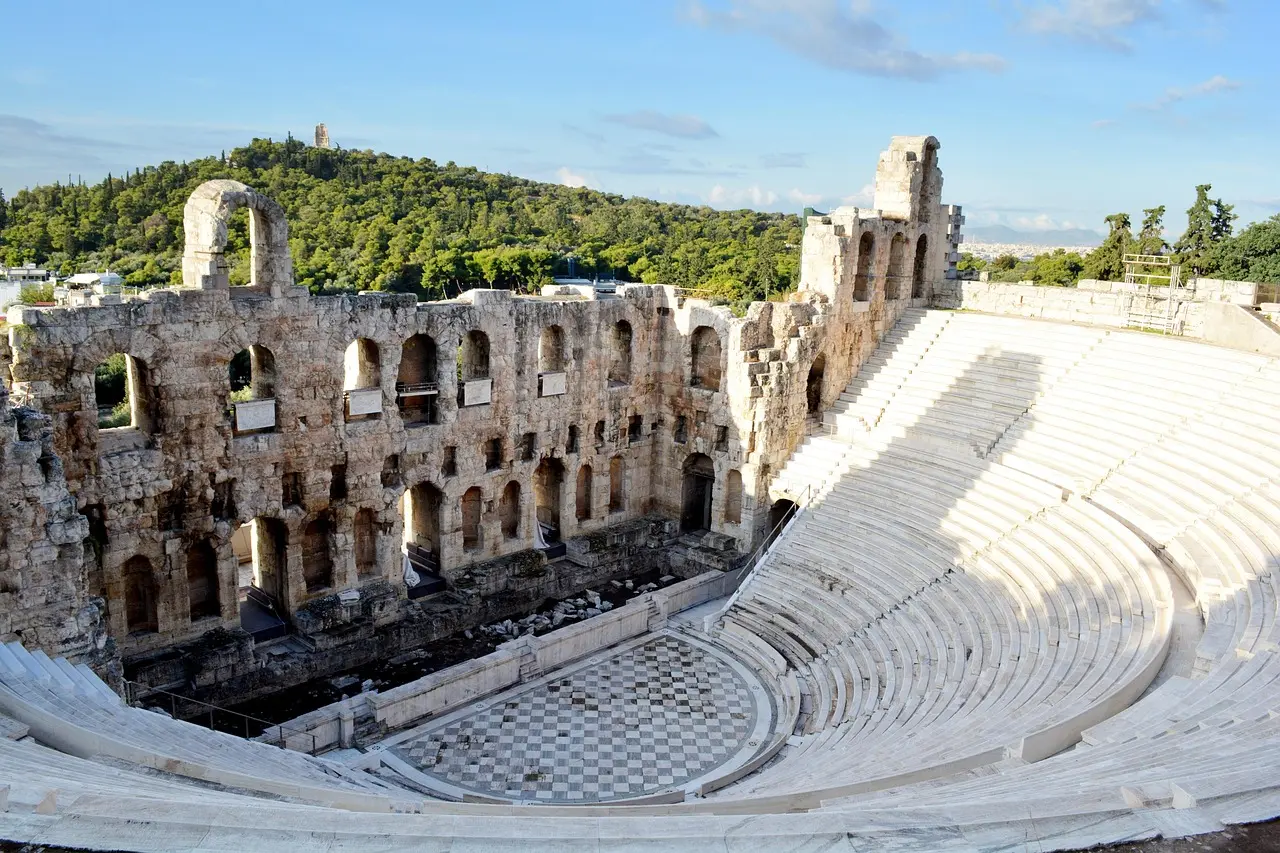
Standing atop a limestone hill overlooking Athens, the Acropolis is the definitive symbol of ancient Greek civilization. From the Parthenon’s Doric columns to the Erechtheion’s Caryatid porch, every structure embodies harmony, proportion, and philosophical inquiry — hallmarks of visiting ancient landmarks rooted in Western thought.
Combine your visit with the Acropolis Museum below — where original sculptures and interactive exhibits deepen understanding. Visit Tuesday or Thursday afternoons for thinner crowds, and wear comfortable shoes: the marble paths are steep and slippery. Whether you’re a first-time visitor or returning enthusiast, visiting ancient landmarks like the Acropolis rewards repeated exploration.
Colosseum & Roman Forum: Echoes of Empire in Rome
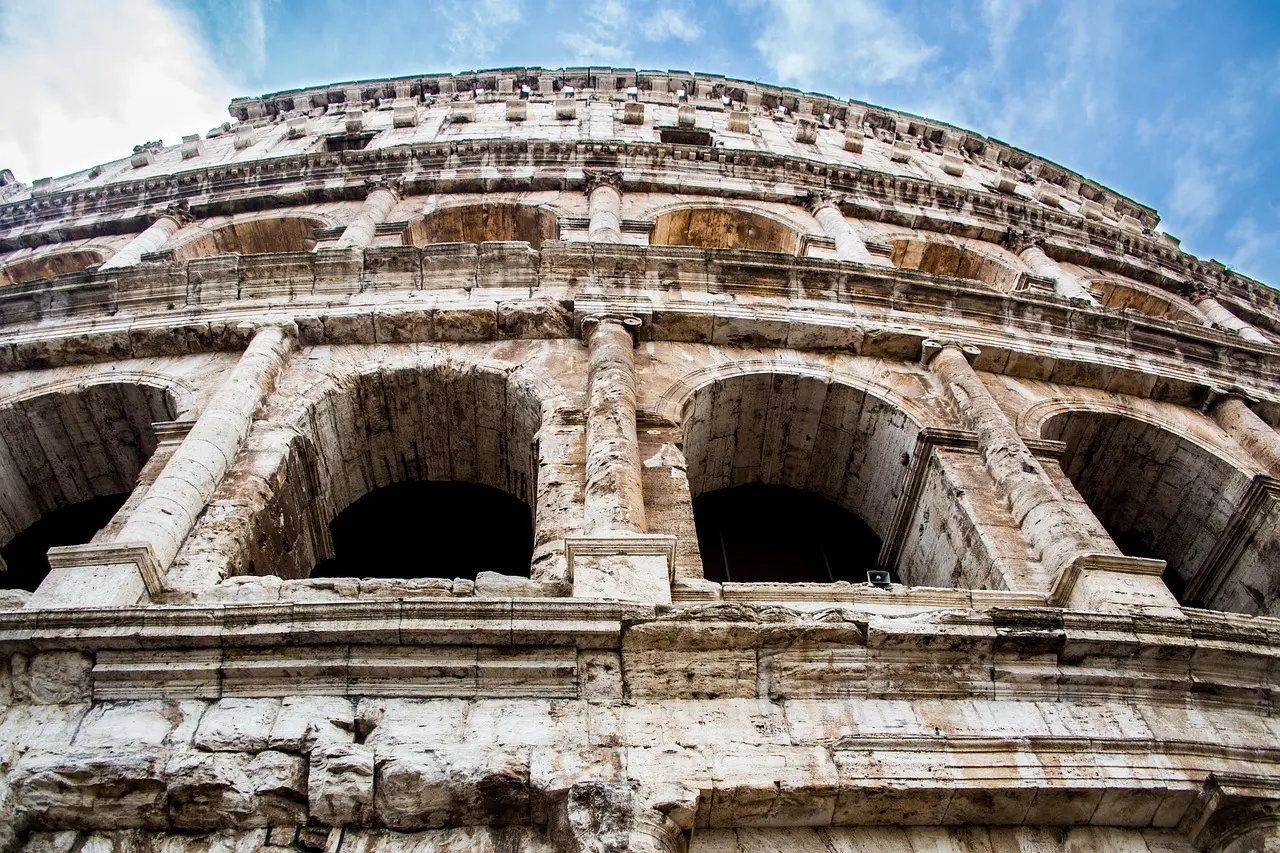
Walking through the Colosseum’s arches is like hearing the roar of 50,000 spectators — a visceral encounter with imperial Rome. Paired with the adjacent Roman Forum and Palatine Hill, this trio forms one of Europe’s richest concentrations of visiting ancient landmarks.
Book a ‘Skip-the-Line’ ticket with audio guide or join a small-group tour including underground arena access — a rare opportunity to stand where gladiators once prepared. For deeper context, extend your visit to the Capitoline Museums or Trajan’s Market. Every cobblestone tells a story when visiting ancient landmarks in Rome.
Taj Mahal: A Monument of Love and Mughal Mastery
Though often associated with romance, the Taj Mahal is also a masterclass in symmetry, material science, and Persian-Indian fusion architecture. Built in the 17th century by Shah Jahan as a mausoleum for his wife Mumtaz Mahal, it remains the crown jewel among visiting ancient landmarks in South Asia.
Visit at sunrise for ethereal light and minimal haze — the white marble shifts from pale pink to luminous ivory. Note: The Taj is closed Fridays (except for prayer), and photography inside the main chamber is restricted. Respectful dress and quiet contemplation honor the site’s dual identity as both historic monument and active memorial — essential considerations when visiting ancient landmarks with living cultural significance.

Practical Tips for Planning Your Ancient Landmarks Itinerary
Visiting ancient landmarks requires thoughtful preparation. Start by checking UNESCO’s official website for conservation alerts and seasonal closures. Many sites — like Machu Picchu and Petra — enforce strict daily entry quotas, so book tickets 3–6 months ahead.
Pack smart: breathable layers, UV-protective clothing, refillable water bottles, and offline maps. Prioritize foot comfort — most ancient landmarks involve extensive walking on uneven surfaces. Finally, carry cash for local vendors and small donations at religiously significant sites — a respectful gesture when visiting ancient landmarks embedded in living traditions.
Sustainable & Ethical Travel When Visiting Ancient Landmarks
Visiting ancient landmarks carries responsibility. Avoid touching fragile carvings or climbing restricted areas — oils from skin accelerate erosion. Refrain from using drones unless explicitly permitted; many sites ban them to protect integrity and visitor experience.
Support community-led tourism: hire local guides, buy crafts directly from artisans, and choose eco-certified accommodations nearby. When visiting ancient landmarks, your choices help fund preservation — and ensure future generations inherit these irreplaceable wonders intact.
Photography, Timing & Seasonal Insights for Ancient Landmarks
Light transforms ancient landmarks — literally and photographically. Golden hour (sunrise/sunset) enhances textures and minimizes harsh shadows. Overcast days soften contrast for detailed architectural shots, while blue hour offers magical city-skyline backdrops.
Seasonally, shoulder months (April–May, September–October) balance favorable weather, manageable crowds, and optimal visibility. Winter visits offer solitude but may limit access — e.g., parts of the Great Wall close during snowfall. Always verify opening times: many ancient landmarks adjust schedules for Ramadan, national holidays, or conservation work.

Visiting ancient landmarks is not merely about checking destinations off a bucket list — it’s about cultivating empathy, curiosity, and stewardship across time and culture. From the Great Wall to the Pyramids, Machu Picchu to Petra, each site invites us to reflect on human ingenuity, endurance, and interconnectedness. As you plan your next journey, prioritize intentionality: research respectfully, travel sustainably, engage locally, and document mindfully. Because when you choose to visit ancient landmarks, you don’t just witness history — you become part of its ongoing story. Start planning today, and make visiting ancient landmarks the cornerstone of your most meaningful travels yet.