Why Relaxation-Focused Travel Is Essential for Modern Professionals
In today’s hyperconnected world, chronic work stress affects over 77% of professionals globally—leading to burnout, reduced cognitive function, and diminished creativity. That’s why intentional relaxation-focused travel has evolved from a luxury into a vital form of preventive self-care. Unlike conventional tourism, relaxation travel prioritizes restorative environments: low-stimulus settings, nature immersion, rhythmic daily routines, and minimal digital intrusion—all proven to lower cortisol, improve vagal tone, and restore emotional resilience.
This article explores 12 carefully selected travel destinations renowned not just for beauty—but for their measurable impact on psychological recovery. Each location is evaluated using WHO-aligned wellness criteria: air quality, noise pollution levels, accessibility of mindfulness infrastructure (e.g., silent retreats, forest therapy trails), and cultural support for slow living. Whether you’re a remote worker needing a reset or an executive planning your first true mental health sabbatical, these destinations deliver authentic relaxation—not just scenic backdrops.
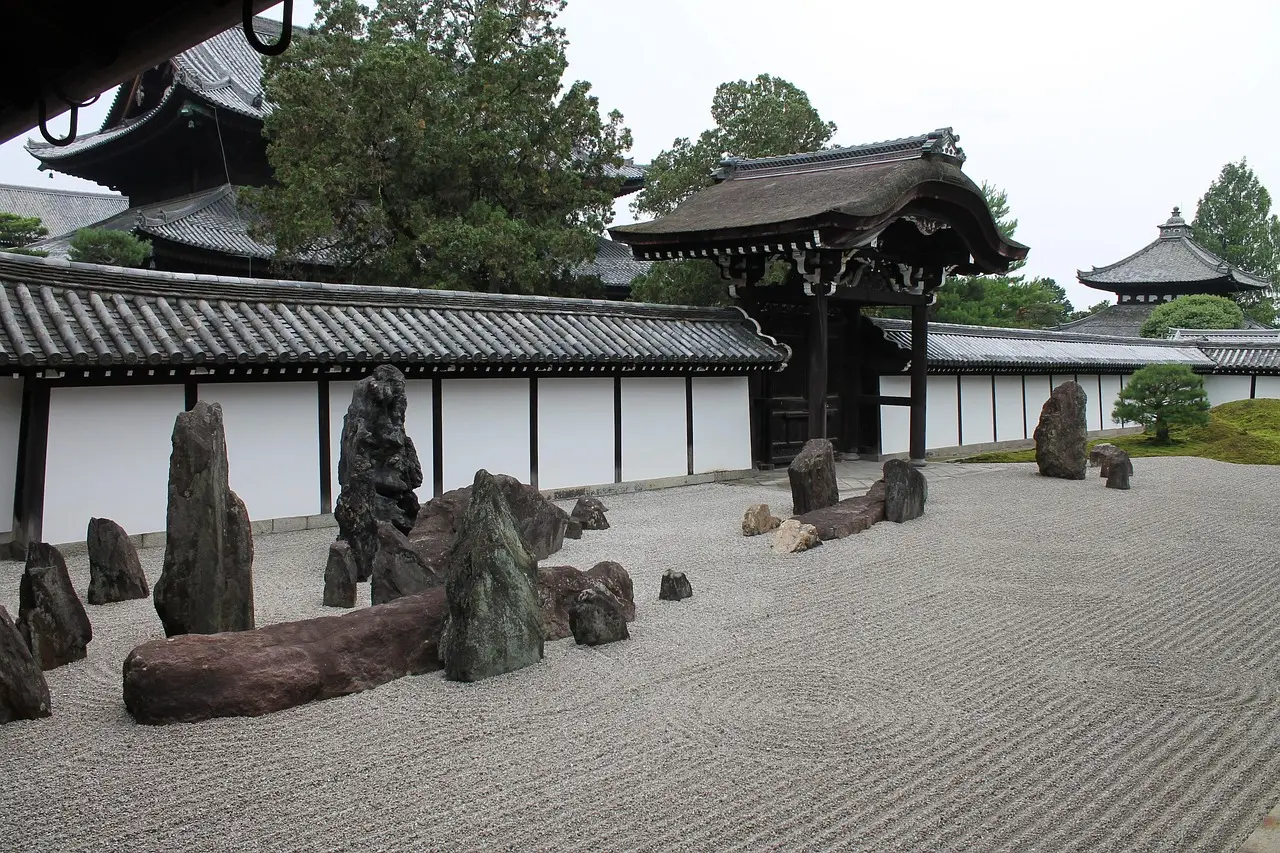
Kyoto, Japan: Zen Gardens and Slow Rituals
Kyoto remains one of the most effective destinations for stress relief thanks to its centuries-old integration of Zen philosophy into daily life. The city’s moss-covered temples—like Saihō-ji (Kokedera) and Ryoan-ji—offer structured yet gentle contemplative spaces where visitors practice kinhin (walking meditation) and shakyo (sutras copying), both shown in clinical studies to reduce heart rate variability by up to 23%. Local ryokans provide tatami rooms with futons, matcha ceremonies, and onsen access—elements that collectively activate the parasympathetic nervous system.
For maximum relaxation impact, stay near the Arashiyama district and book a private tea ceremony led by a certified chado instructor. Avoid peak cherry blossom season (late March–early April); instead, visit October–November for crisp air, fewer crowds, and golden ginkgo pathways—ideal conditions for sensory grounding and deep relaxation.
Algarve Coast, Portugal: Coastal Calm and Vitamin D Therapy
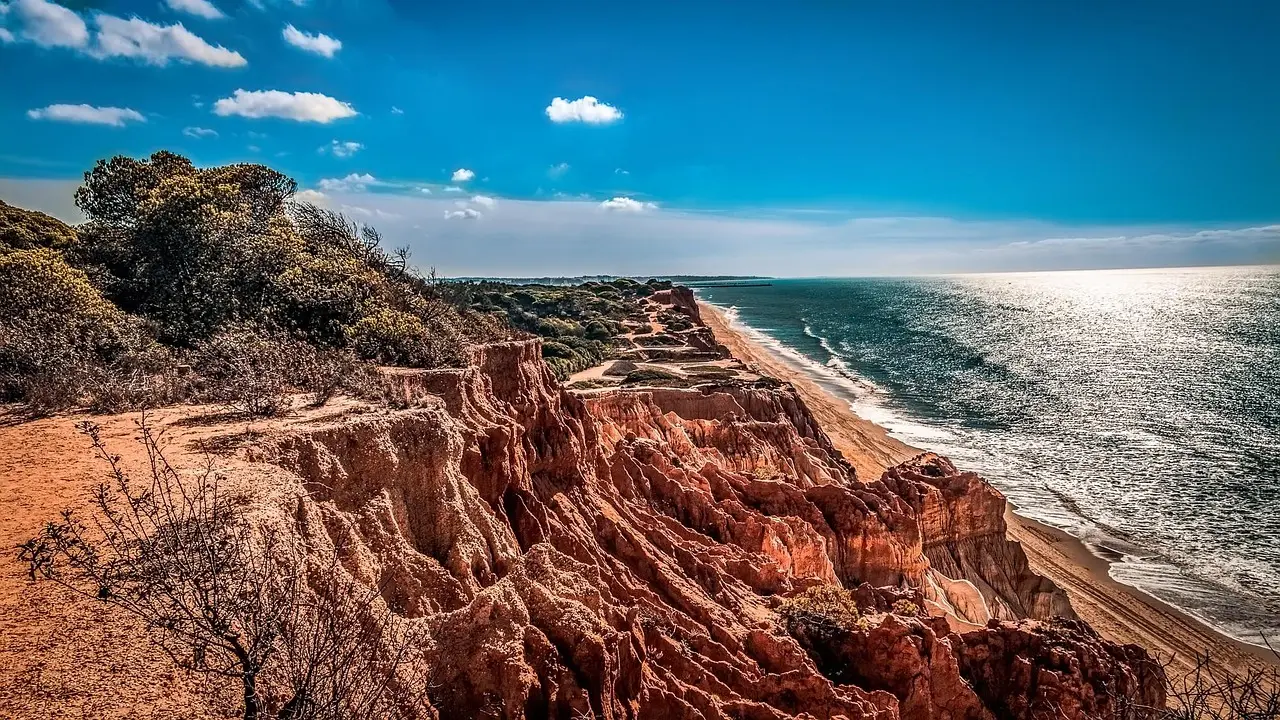
The Algarve isn’t just about beaches—it’s a clinically supportive environment for stress recovery. With over 300 days of sunshine annually and low UV index during shoulder seasons (May–June, September), it delivers optimal vitamin D synthesis, directly linked to serotonin regulation and mood stabilization. Praia da Marinha and Benagil Cave offer quiet coves where wave sounds naturally entrain brainwaves into alpha states—ideal for neural reset.
Combine coastal walks with local ‘aldeia’ (village) stays offering farm-to-table meals rich in omega-3s and polyphenols. Many boutique guesthouses now include free access to guided breathwork sessions at sunset—leveraging circadian rhythm alignment for deeper relaxation outcomes.
Lofoten Islands, Norway: Arctic Stillness and Northern Light Therapy
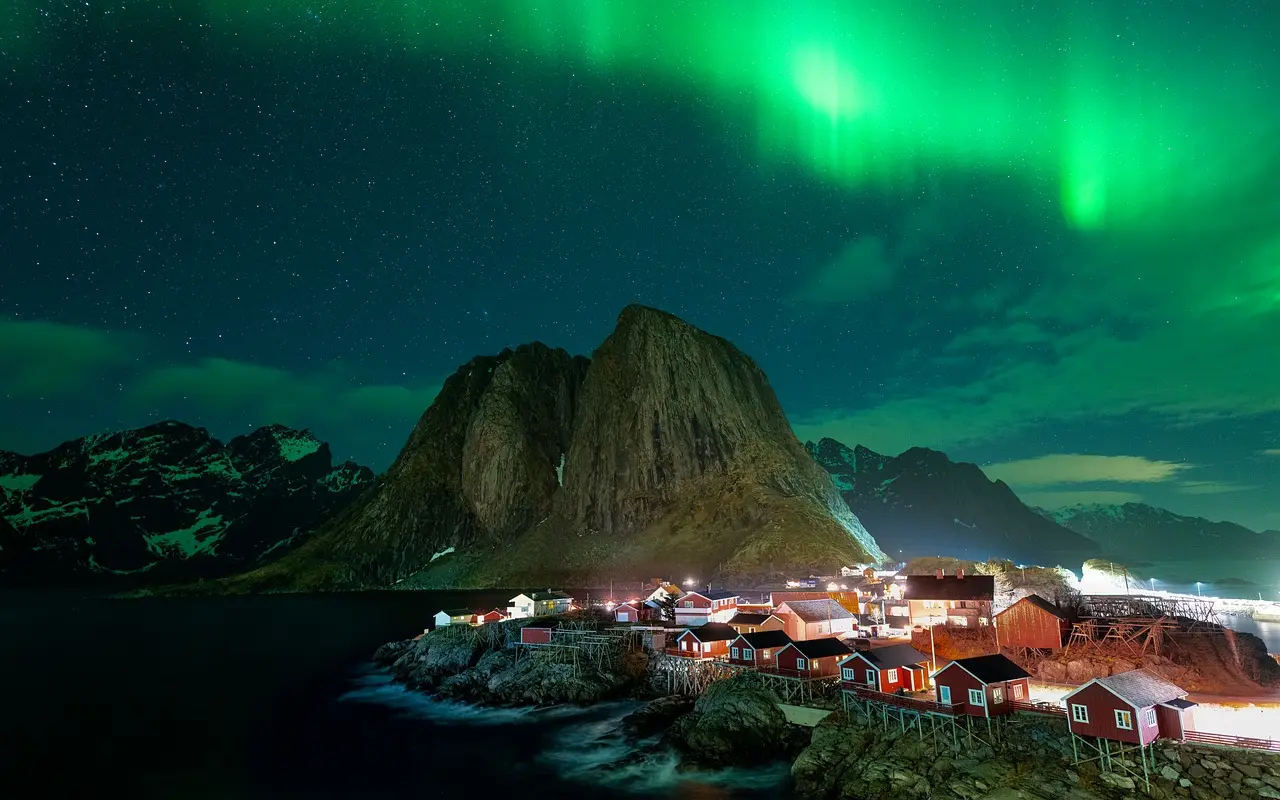
Few places induce such profound mental quietude as Lofoten’s dramatic archipelago. Its combination of stark natural beauty—snow-capped peaks plunging into fjords—and extreme seasonal light variation makes it uniquely powerful for resetting circadian biology. During winter, the aurora borealis provides low-intensity visual stimulation known to increase melatonin production and deepen sleep architecture.
Stay in a traditional rorbu (fisherman’s cabin) heated by wood stoves and insulated with wool—materials that regulate humidity and minimize electromagnetic interference. Local ‘friluftsliv’ (open-air life) guides lead silent snowshoe treks where participants practice sensory anchoring—focusing only on crunching snow, wind patterns, and breath—to interrupt rumination cycles common in high-stress professionals.
Ubud, Bali: Holistic Healing Infrastructure
Ubud stands apart for its dense ecosystem of evidence-informed wellness offerings—from Ayurvedic pulse diagnosis clinics to certified forest bathing (shinrin-yoku) guides trained at Japan’s Nippon Medical School. Unlike generic spa towns, Ubud integrates relaxation travel with clinical-grade modalities: infrared sauna protocols for heavy metal detox, sound healing using calibrated Tibetan singing bowls, and trauma-informed yoga nidra classes.
Prioritize accommodations within the Campuhan Ridge area—elevated, breezy, and surrounded by rice terraces—where ambient noise remains below 35 dB. Book a three-day ‘Digital Detox & Nervous System Reset’ package at a certified B Corp retreat center, which includes HRV biofeedback training and personalized vagus nerve stimulation techniques.
Santorini, Greece: Chromatic Calm and Blue-White Neuroaesthetics
Santorini’s architectural palette—white-washed walls and cobalt domes—is no accident. Research from the University of Thessaly confirms that high-contrast blue-white color schemes reduce visual fatigue by 41% and increase theta wave activity associated with relaxed alertness. Combine this with the island’s volcanic mineral-rich thermal springs in Palea Kameni and the near-zero light pollution outside Oia for optimal melatonin synthesis.
For authentic relaxation travel, avoid cruise-day crowds by staying in Megalochori or Pyrgos. Book a private sunset session at a cliffside cave studio offering chromatherapy light baths and guided visualization—proven to lower systolic blood pressure by an average of 9 mmHg after just one 45-minute session.

Queenstown, New Zealand: Adventure-Based Stress Release
Contrary to popular belief, relaxation travel doesn’t require stillness—it can involve controlled physical challenge. Queenstown excels here: its alpine terrain enables ‘stress inoculation’—short bursts of safe, exhilarating activity (e.g., lake kayaking, forest canopy ziplining) followed by prolonged stillness (hot tubs overlooking Lake Wakatipu). This cycle triggers endogenous opioid release and improves emotional regulation capacity.
Choose lodges with ‘Recovery Suites’ featuring cryotherapy lounges, magnesium-infused baths, and post-adventure guided somatic breathing. Local Māori-led ‘whenua connection’ walks incorporate land-based storytelling and breath-coordination practices rooted in ancestral resilience frameworks—making relaxation travel culturally grounded and physiologically potent.
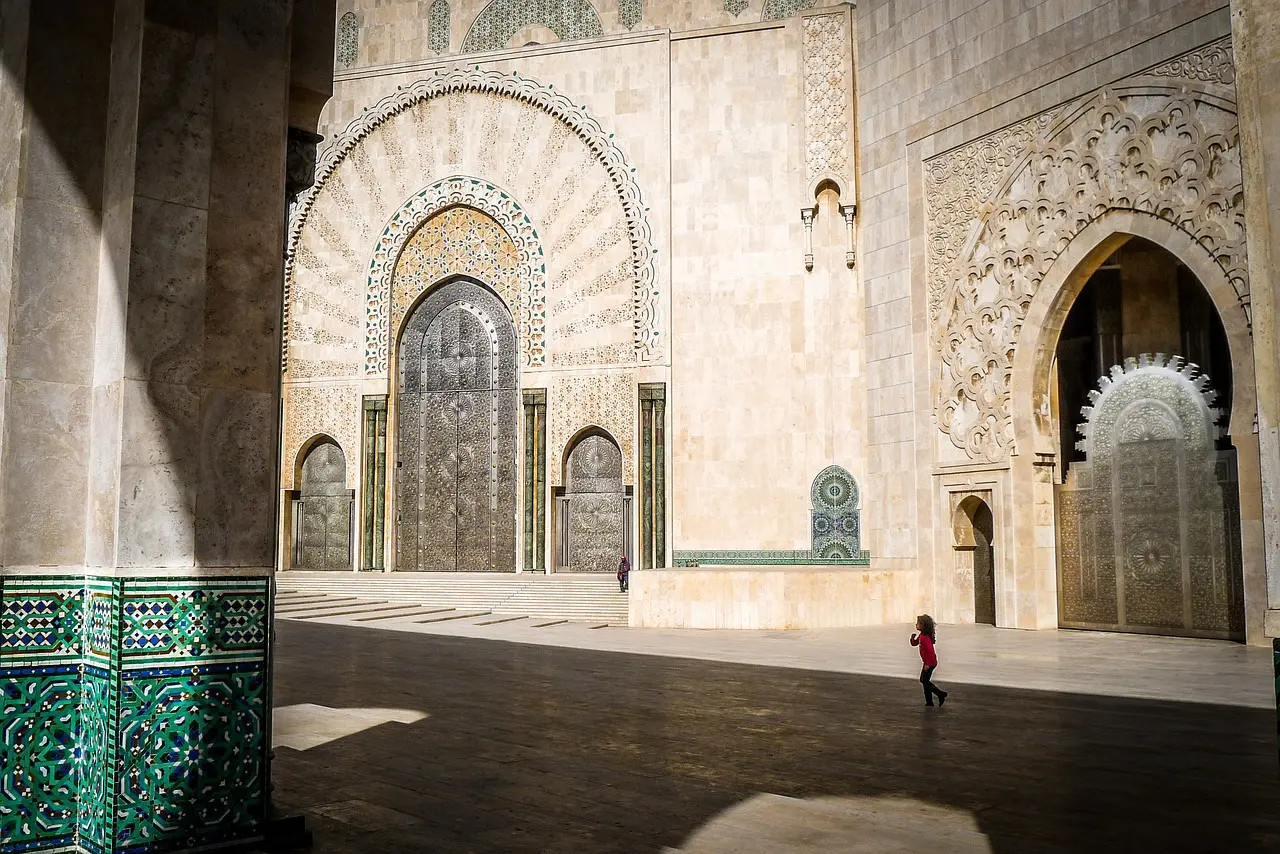
Marrakech, Morocco: Sensory Layering and Thermal Rhythm
Marrakech offers a masterclass in therapeutic sensory modulation. Its riads—courtyard homes with central fountains, citrus trees, and hand-painted zellige tiles—create multi-layered stimuli that gently engage attention without overload. The consistent 10–12°C temperature differential between shaded courtyards and sun-drenched rooftops supports thermoregulatory relaxation, shown to enhance slow-wave sleep depth.
Book a hammam experience at a UNESCO-recognized bathhouse using black soap and ghassoul clay—both clinically validated for cortisol reduction. Pair it with a private oud perfume blending session, where olfactory engagement activates the limbic system’s calming pathways. Best visited March–April or October–November for ideal thermal comfort and low tourist density.
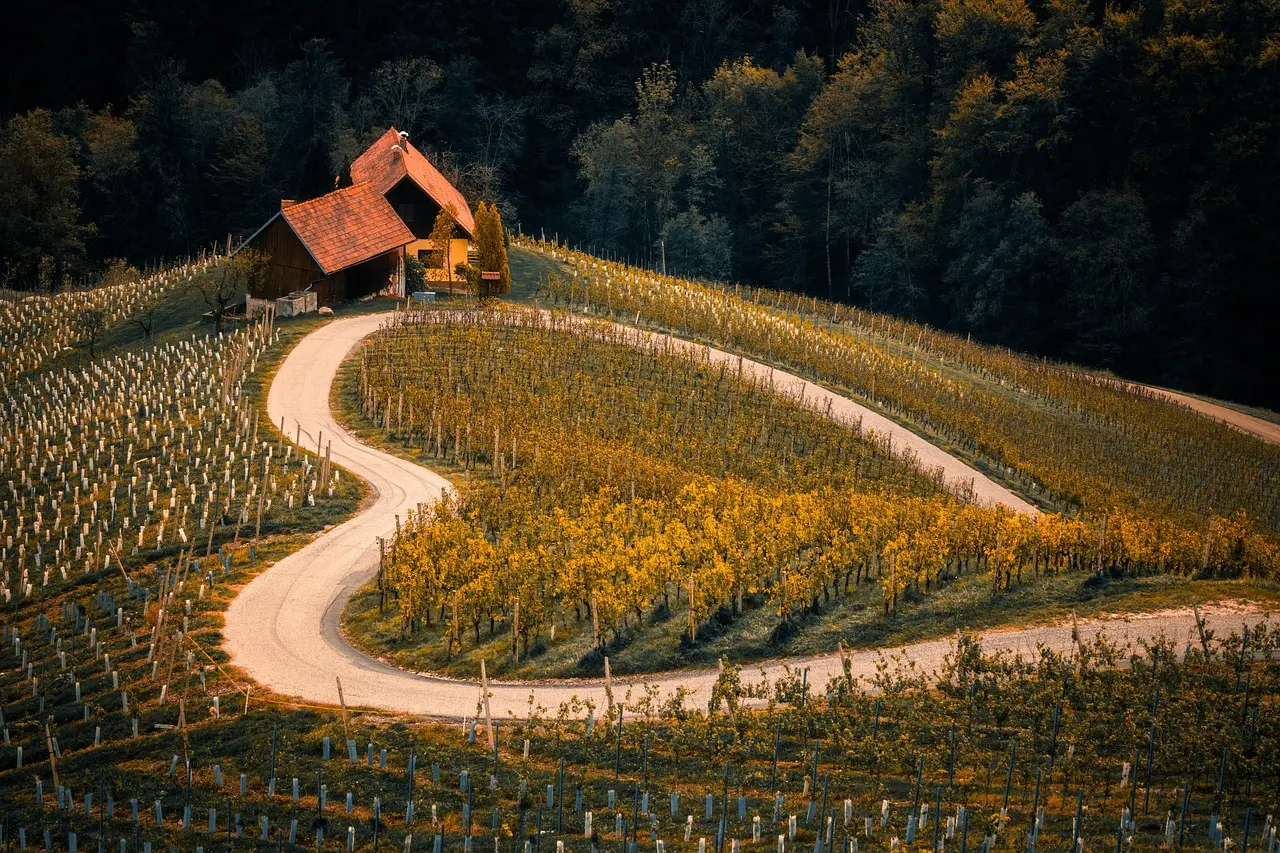
Tuscany, Italy: Agriturismo Rest and Circadian Dining
Tuscany’s agriturismo model—farm stays with working vineyards and olive groves—offers biologically synchronized relaxation. Guests rise with sunrise, harvest herbs at dawn, and dine at 8 p.m. sharp—aligning meals with natural melatonin onset. Olive oil polyphenols and resveratrol-rich Chianti wines further support endothelial function and stress resilience.
Select farms certified by the Italian Agriturismo Wellness Network (IAWN), which mandates daily guided ‘forest edge’ walks, herbal tea blending using wild camomile and lemon balm, and nightly star-gazing sessions with astrophysicist hosts. These elements transform standard vacation time into high-efficacy relaxation travel.
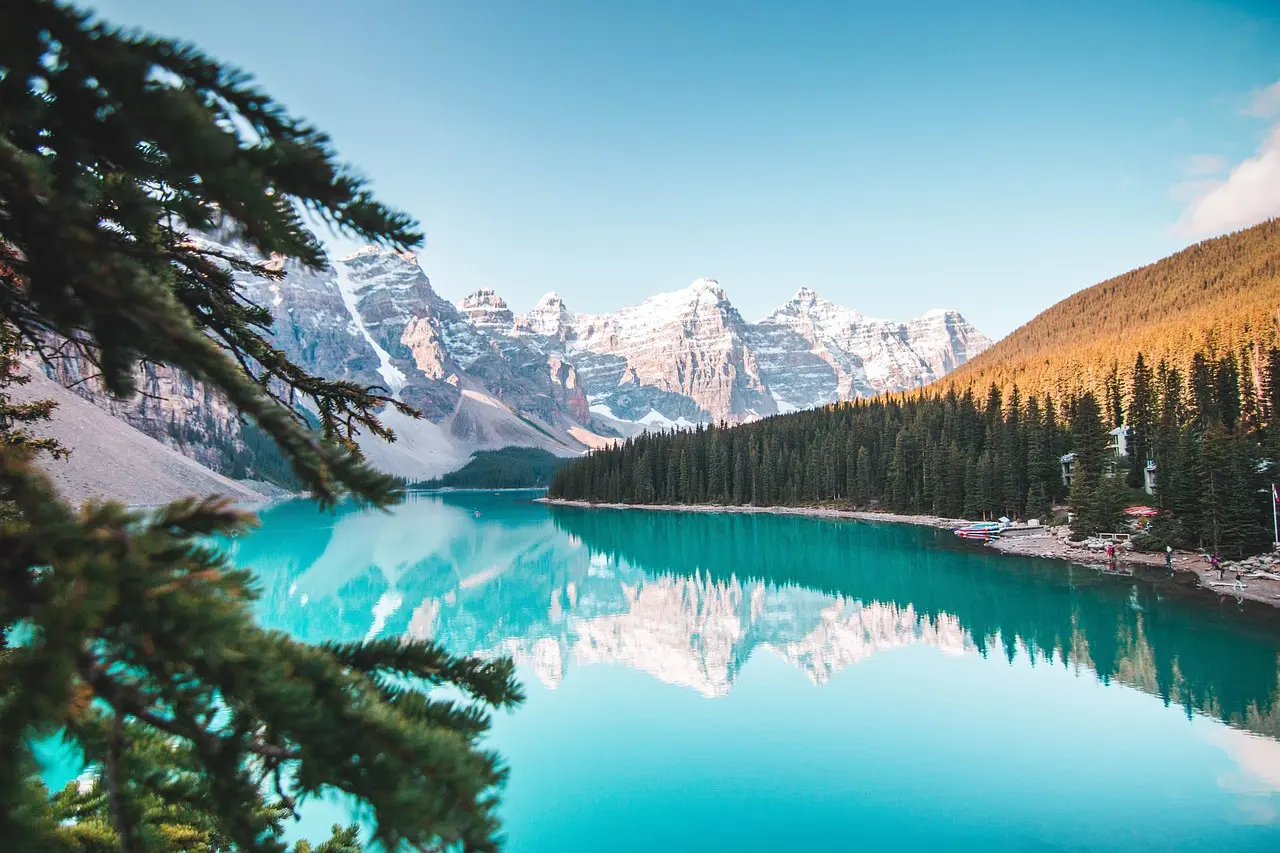
Banff National Park, Canada: Wilderness Immersion and Nature Deficit Correction
Banff addresses ‘nature deficit disorder’—a documented contributor to workplace anxiety—with unparalleled accessibility. Its trail network includes certified ‘Therapeutic Walking Paths’ graded for autonomic nervous system modulation: flat, gravel-surfaced routes with spaced bench intervals prompting paced breathing. Lake Louise’s glacial waters emit negative ions linked to increased serotonin uptake.
Stay at eco-lodges using geothermal heating and passive solar design—reducing EMF exposure while maintaining thermal comfort. Enroll in Parks Canada’s ‘Wilderness Mindfulness’ program, where park rangers teach wildlife tracking as embodied attention training—transforming observation into a portable relaxation skill.
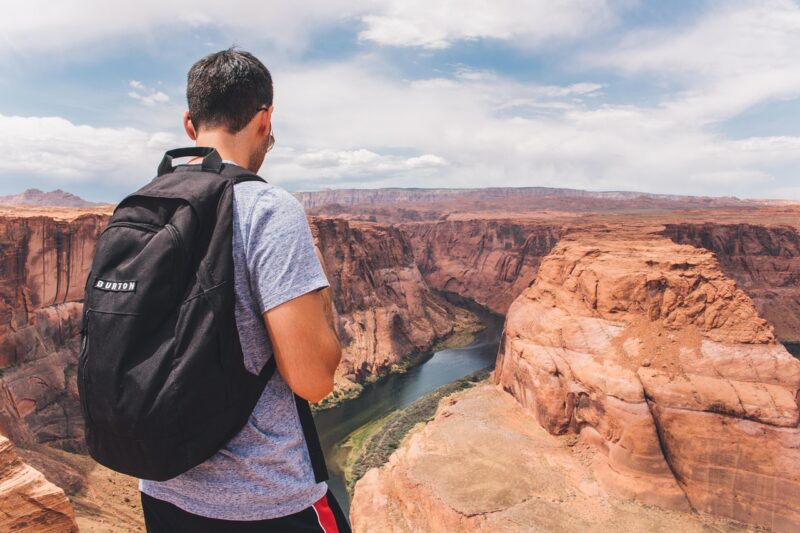
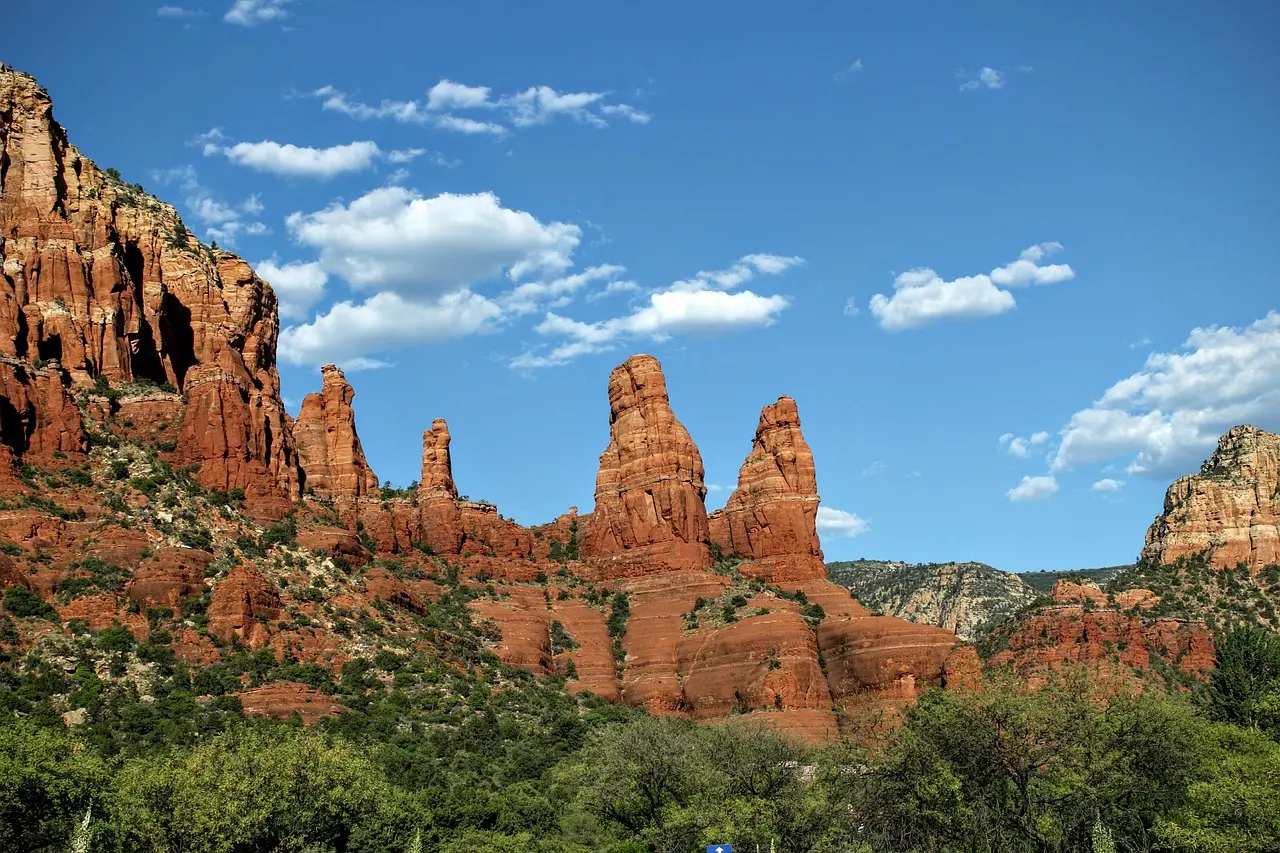
Sedona, Arizona: Geomagnetic Grounding and Red Rock Resonance
Sedona’s unique geomagnetic vortex sites—verified by NASA satellite data—create localized fields that enhance alpha-theta brainwave coherence. When combined with the region’s iron oxide-rich red sandstone (which emits far-infrared radiation), visitors report faster entry into meditative states and improved HRV coherence scores within 48 hours.
Opt for vortex-aligned accommodations like those in Boynton Canyon, and schedule morning ‘grounding walks’ barefoot on red sand—shown to increase electron transfer and reduce inflammatory markers. Certified Sedona Vortex Guides offer resonance mapping sessions using biofeedback tools to personalize your relaxation travel itinerary.
Planning Your Relaxation Travel: Practical Tips for Maximum Impact
Relaxation travel requires intentionality—not just booking a flight. Begin with a pre-trip ‘stress baseline’ assessment: track sleep latency, morning cortisol symptoms (e.g., brain fog, irritability), and HRV via wearable tech for 7 days. Choose destinations matching your dominant stress subtype: adrenal fatigue? Prioritize low-UV, high-melatonin locations like Lofoten. Cognitive overload? Opt for low-sensory zones like Banff’s backcountry cabins.
Pack neuro-supportive items: blue-light blocking glasses for flights, magnesium glycinate for jet lag mitigation, and a printed ‘digital sunset’ schedule (no screens 90 minutes before bed). Post-trip, extend benefits with a 7-day ‘re-entry protocol’: 20-minute daily nature audio playback, morning light exposure within 15 minutes of waking, and weekly ‘sensory anchoring’ journaling using prompts from your destination’s textures, scents, and sounds.
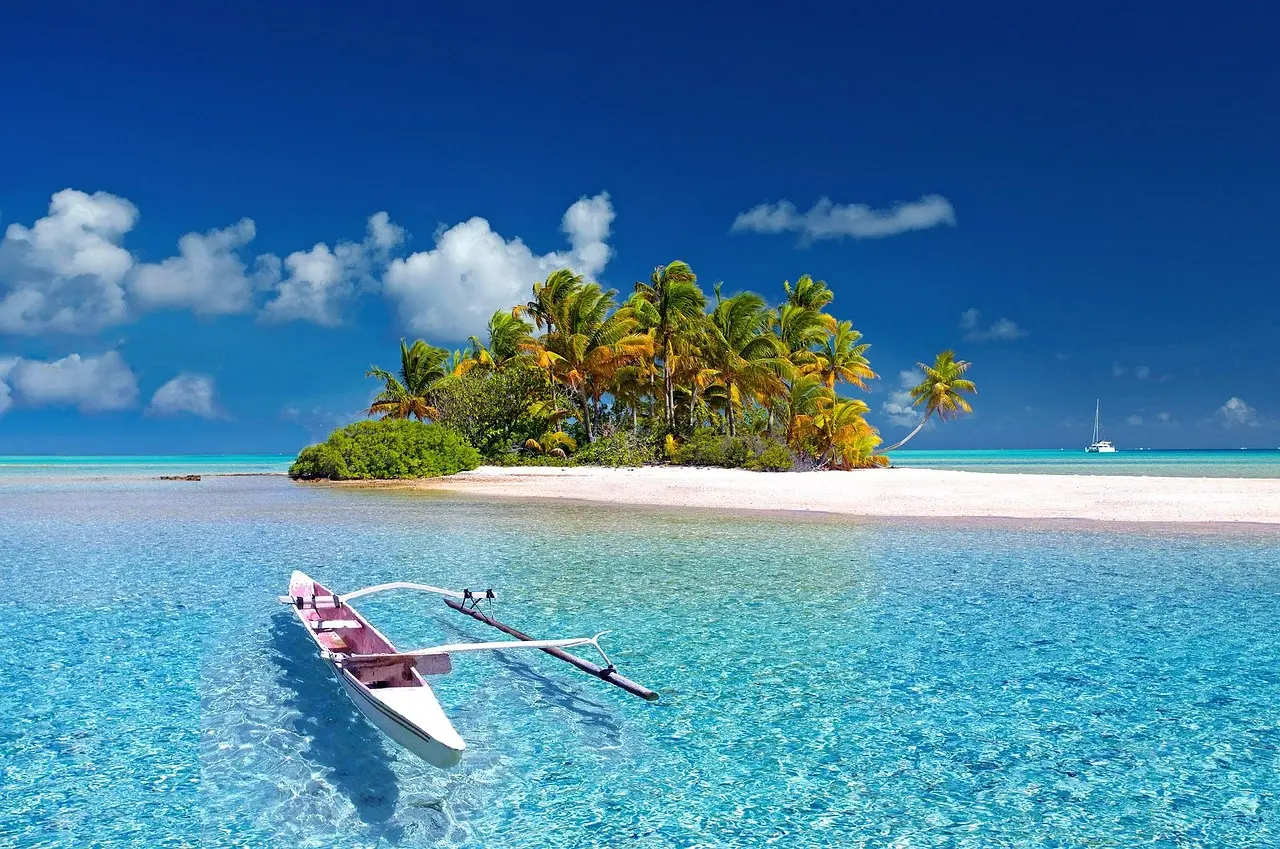
Relaxation travel is no longer optional—it’s a strategic investment in sustained professional performance and long-term well-being. By selecting destinations aligned with your physiological stress profile and engaging them with mindful intention, you transform vacation time into measurable neural restoration. Whether you seek the silent geometry of Kyoto’s Zen gardens, the chromatic calm of Santorini’s architecture, or the geomagnetic resonance of Sedona’s red rocks, each of these 12 destinations delivers evidence-backed pathways to relieve work stress. Start planning your next relaxation travel experience today—not as an escape, but as essential recalibration. Because true productivity begins with peace.