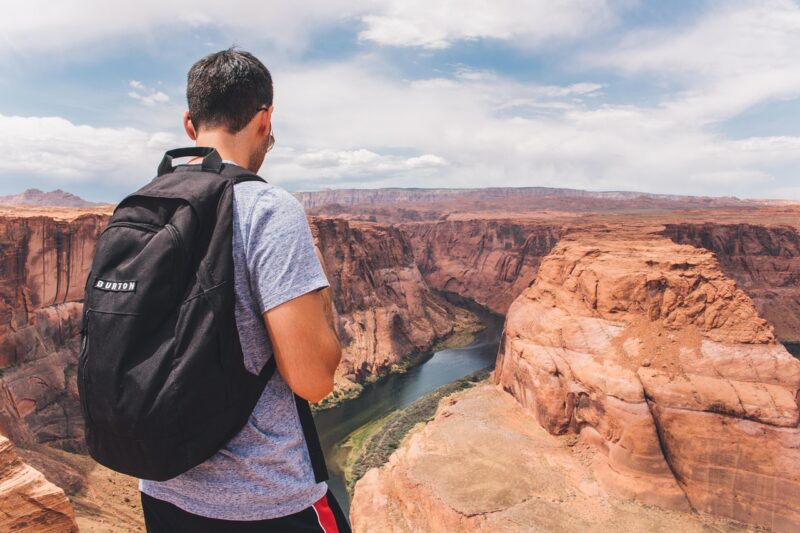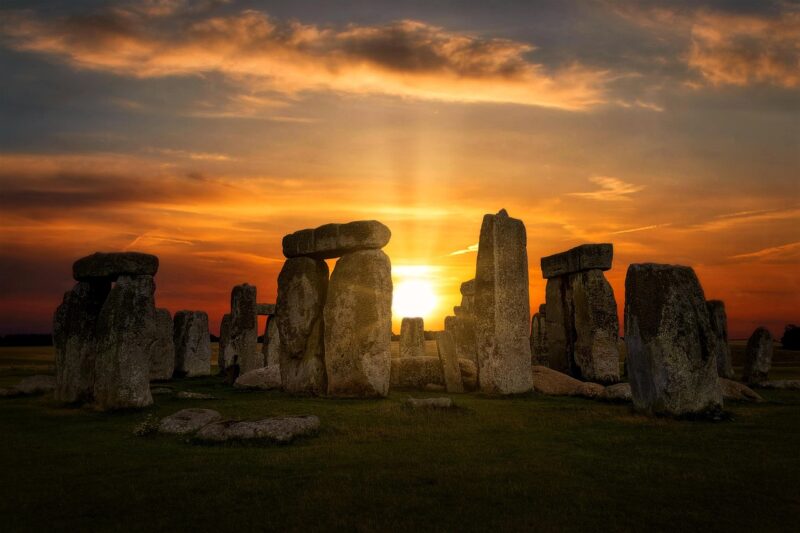
Why Appreciating Natural Scenery Is More Than Just a Trend
Appreciating natural scenery isn’t just about taking photos for social media — it’s a deeply restorative practice rooted in biophilia, the innate human connection to nature. As global stress levels rise and urban living dominates, travelers increasingly seek destinations where they can truly appreciate natural scenery: vast alpine vistas, raw geological formations, and dynamic hydrological wonders like cascading waterfalls.
This shift has reshaped sustainable tourism priorities. According to the UNWTO, over 68% of international travelers now prioritize eco-conscious experiences that emphasize authenticity and immersion — precisely what appreciating natural scenery delivers. Whether you’re hiking the rim of a volcanic canyon or watching sunrise over glacial peaks, these moments foster presence, perspective, and planetary awareness.
In this guide, we spotlight 15 exceptional destinations where you can meaningfully appreciate natural scenery — each selected for ecological integrity, accessibility, cultural resonance, and visual grandeur. All locations support responsible visitation and offer opportunities to deepen your appreciation of natural scenery through guided interpretation, low-impact trails, and local stewardship initiatives.
The Majestic Himalayas: Where Snow-Capped Peaks Define Natural Scenery
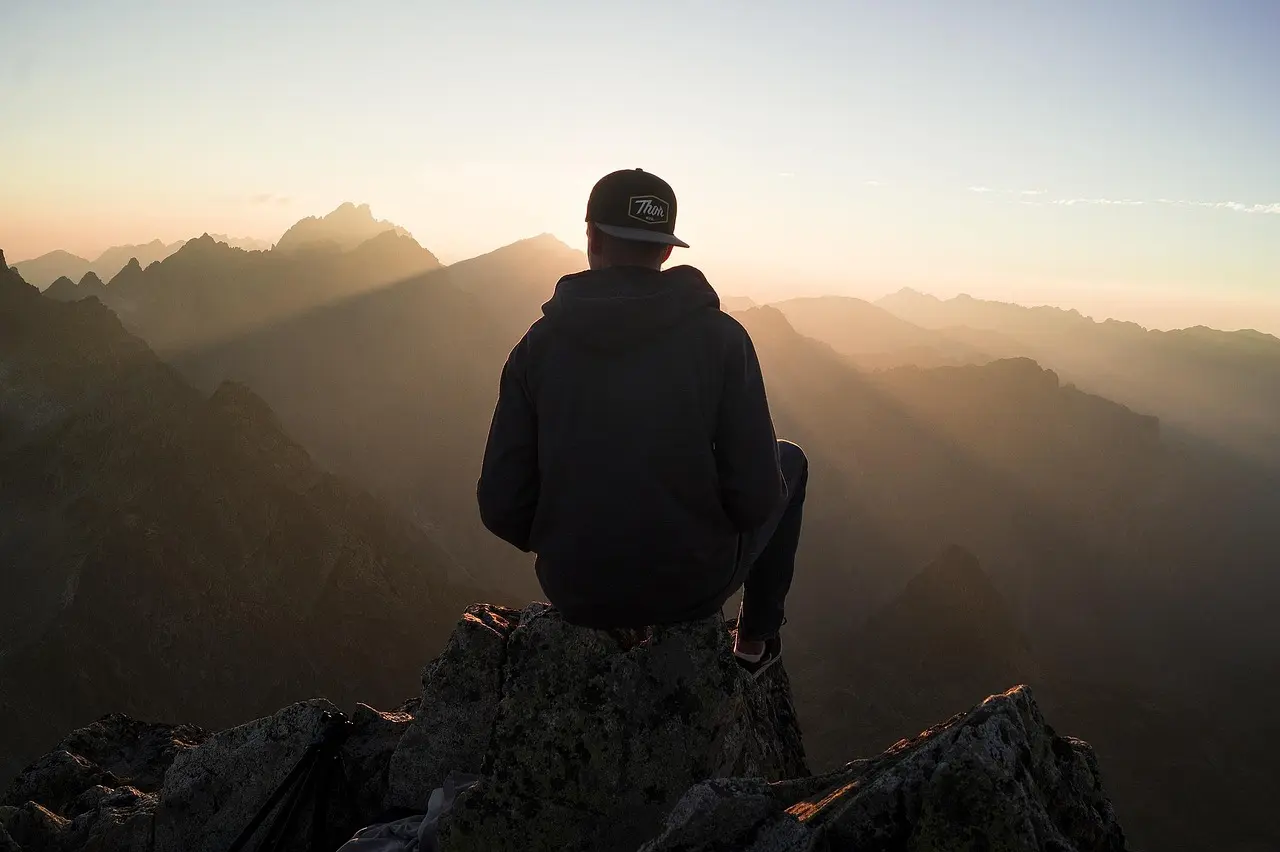
No list of places to appreciate natural scenery is complete without the Himalayas — Earth’s highest mountain system, spanning five countries and home to Everest, Kanchenjunga, and Annapurna. Here, appreciating natural scenery means confronting scale: glaciers carving valleys over millennia, prayer flags fluttering above 5,000-meter passes, and rhododendron forests blooming beneath eternal snow.
Best for appreciating natural scenery: The Everest Base Camp Trek (Nepal) offers gradual acclimatization and layered perspectives — from subtropical river gorges to stark high-altitude deserts. Alternatively, Ladakh’s Markha Valley (India) provides quieter trails with dramatic contrasts between turquoise lakes and rust-colored cliffs — ideal for photographers and mindful walkers alike.
Pro tip: Visit between late September–early November for crisp air, clear skies, and optimal light to fully appreciate natural scenery. Always travel with certified local guides who uphold Leave No Trace principles and support community-run teahouses.
Grand Canyon, USA: A Masterclass in Geological Storytelling
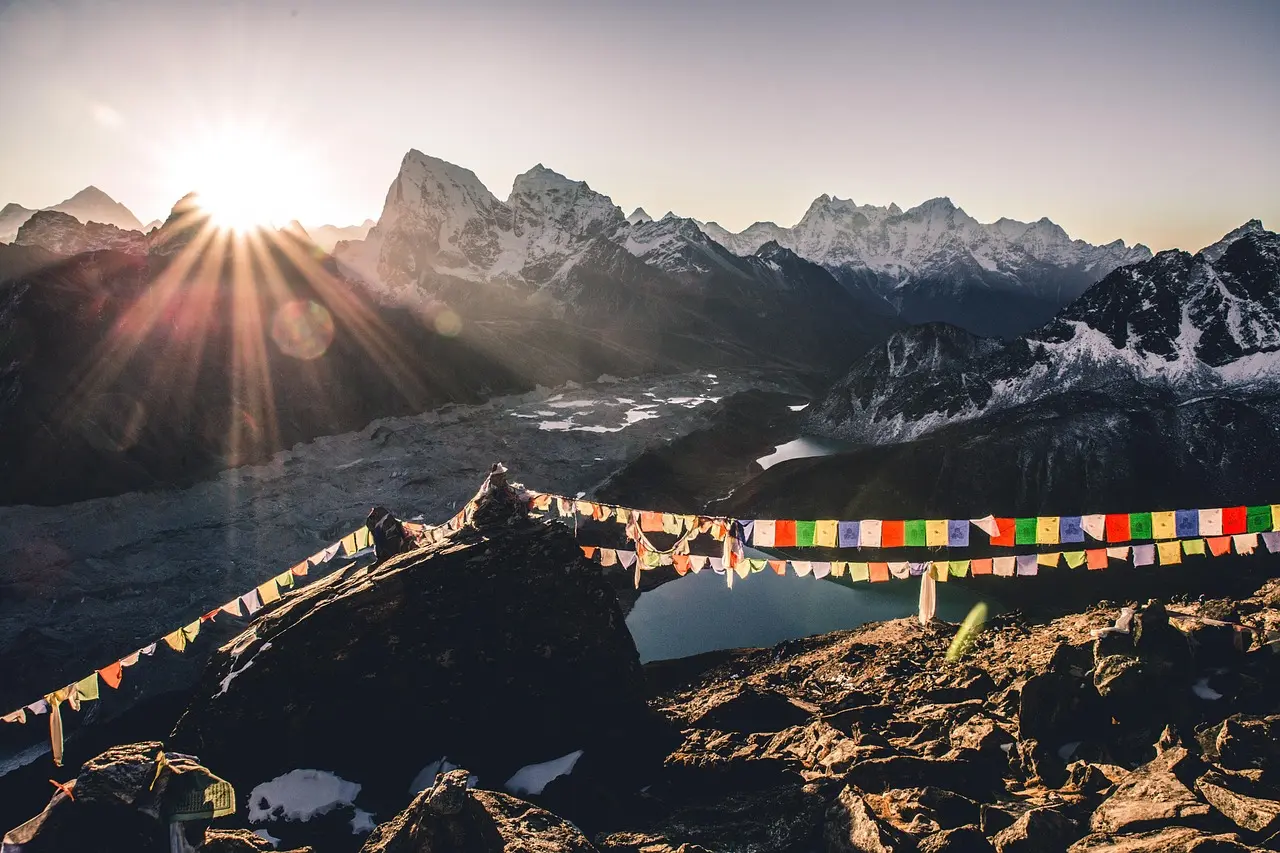
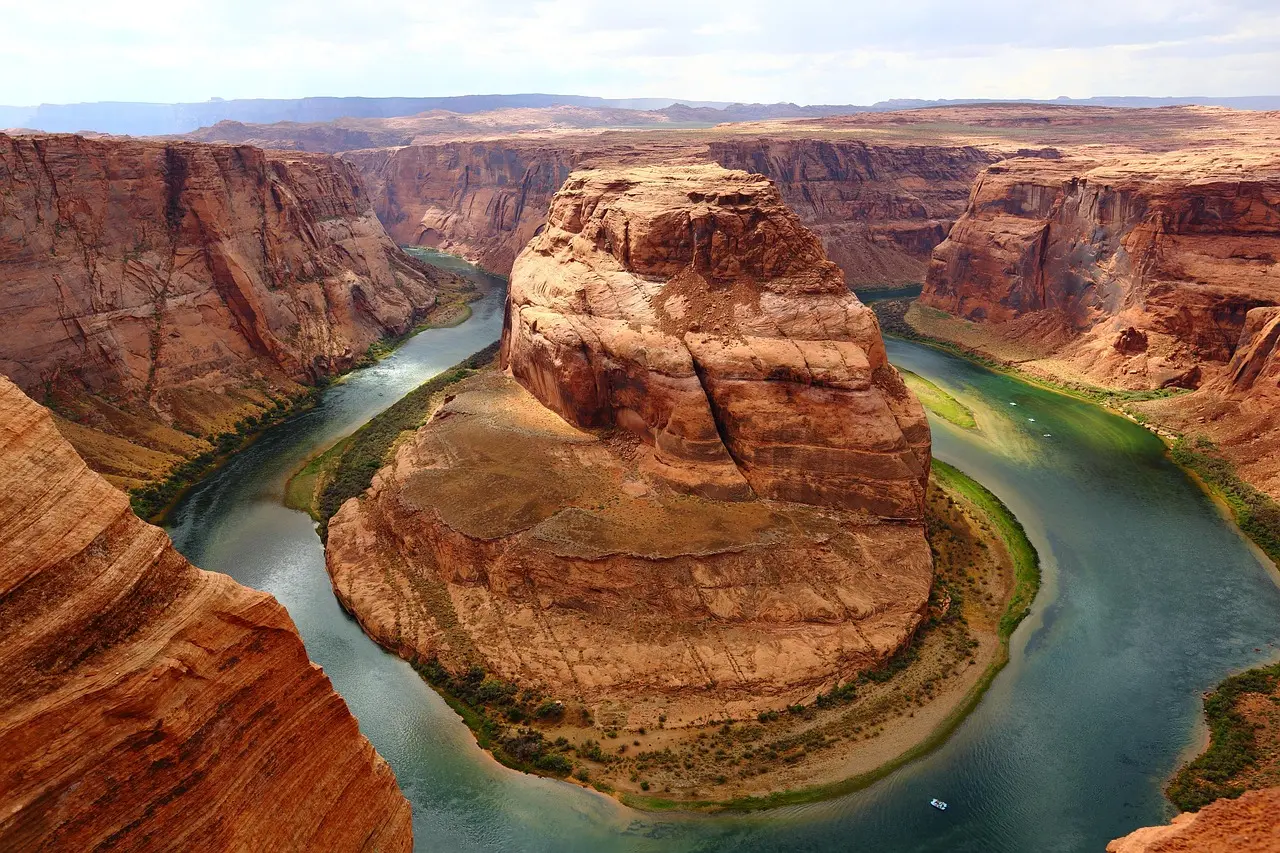
The Grand Canyon remains one of Earth’s most iconic examples of appreciating natural scenery — not just for its staggering dimensions (277 miles long, up to 18 miles wide, over a mile deep), but for how its stratified rock layers narrate 2 billion years of planetary history.
To truly appreciate natural scenery here, go beyond South Rim crowds. Hike the South Kaibab Trail at dawn for shadow-play across Vishnu Schist, or join a ranger-led geology walk at Yavapai Point. For solitude and immersive perspective, consider a multi-day rafting trip through the Colorado River — where canyon walls rise vertically and condors soar silently overhead.
Seasonal note: Spring (April–May) and fall (September–October) deliver mild temperatures and fewer visitors — perfect conditions to slow down and appreciate natural scenery with intention.
Iguazu Falls, Argentina & Brazil: Power, Scale, and Rainforest Harmony
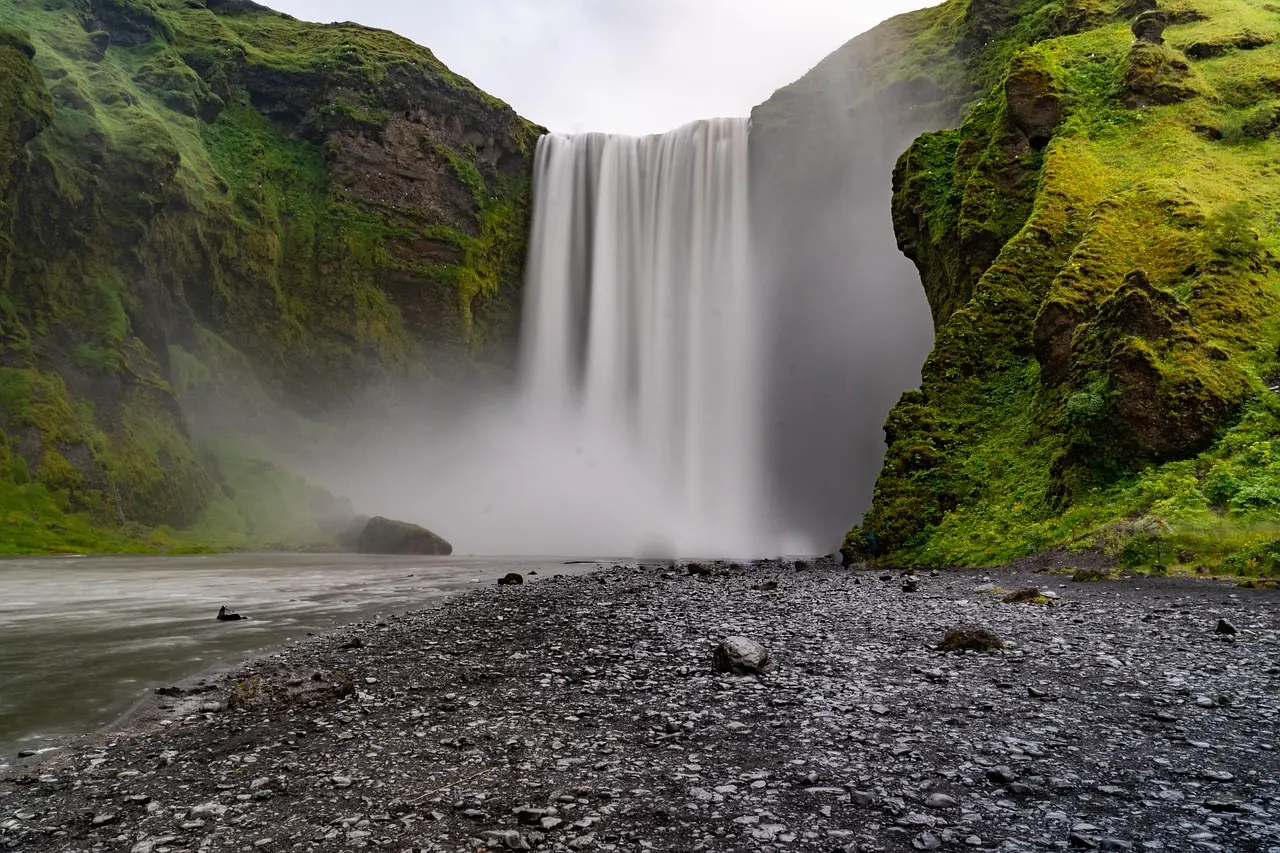
Straddling the border of Argentina and Brazil, Iguazu Falls comprises 275 individual cascades — including the thunderous Devil’s Throat — all enveloped by UNESCO-listed Atlantic rainforest. To appreciate natural scenery here is to feel mist on your skin, hear howler monkeys echo above roaring torrents, and witness orchids clinging to spray-dampened cliffs.
Argentina’s side offers panoramic boardwalks leading directly over falls; Brazil’s side gives sweeping upstream views. Both prioritize conservation: over 80% of the park is protected primary forest, and native Guarani communities co-manage interpretive programs that deepen cultural context for appreciating natural scenery.
Don’t miss the Macuco Safari boat ride — an exhilarating yet eco-certified way to approach the base of San Martin Falls, reinforcing how movement and proximity enrich how we appreciate natural scenery.
Torres del Paine, Chile: Patagonian Drama in Every Direction
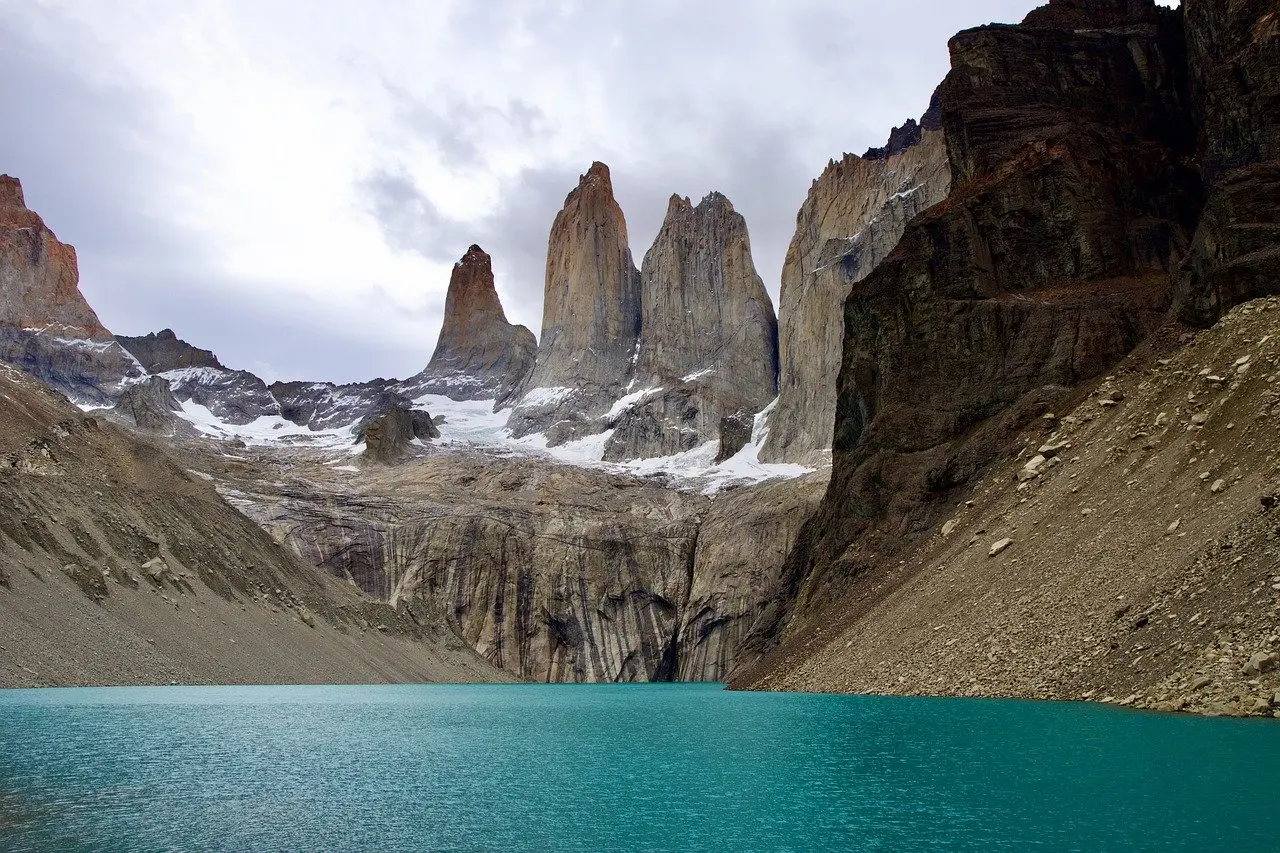
In Chilean Patagonia, Torres del Paine National Park redefines what it means to appreciate natural scenery. Its granite spires pierce glacial skies, turquoise lakes reflect icebergs calved from Grey Glacier, and guanacos graze across windswept pampas — all under some of the planet’s clearest night skies.
The W Trek is the gold standard for appreciating natural scenery: 5 days covering French Valley’s hanging glaciers, Grey Glacier’s iceberg lagoon, and the iconic granite towers at sunrise. For deeper immersion, add the O Circuit or join a certified ‘Slow Travel’ operator offering carbon-neutral horseback excursions with Mapuche-Kawésqar cultural interpreters.
Sustainability highlight: Since 2022, park entry requires timed reservations and mandatory waste carry-out — ensuring future generations continue to appreciate natural scenery undiminished.
Zhangjiajie National Forest, China: Stone Forests That Inspired Pandora
Carved from 380-million-year-old quartz sandstone, Zhangjiajie’s towering pillars — some over 1,000 meters tall — inspired James Cameron’s floating Hallelujah Mountains in *Avatar*. But no CGI matches the visceral awe of standing amid these surreal formations shrouded in seasonal cloud seas.
To appreciate natural scenery authentically, avoid peak summer crowds. Instead, visit in October for golden ginkgo leaves against grey stone, or March for delicate cherry blossoms framing mist-laced peaks. The Glass Walkway on Tianmen Mountain offers vertiginous perspective — though traditional trails like Golden Whip Stream provide gentler, more contemplative routes.
Local Tip: Hire a Bai ethnic guide trained in geomorphology and folklore — their stories of ‘stone dragons’ and wind-carved spirits transform geological facts into resonant narratives that enrich how you appreciate natural scenery.
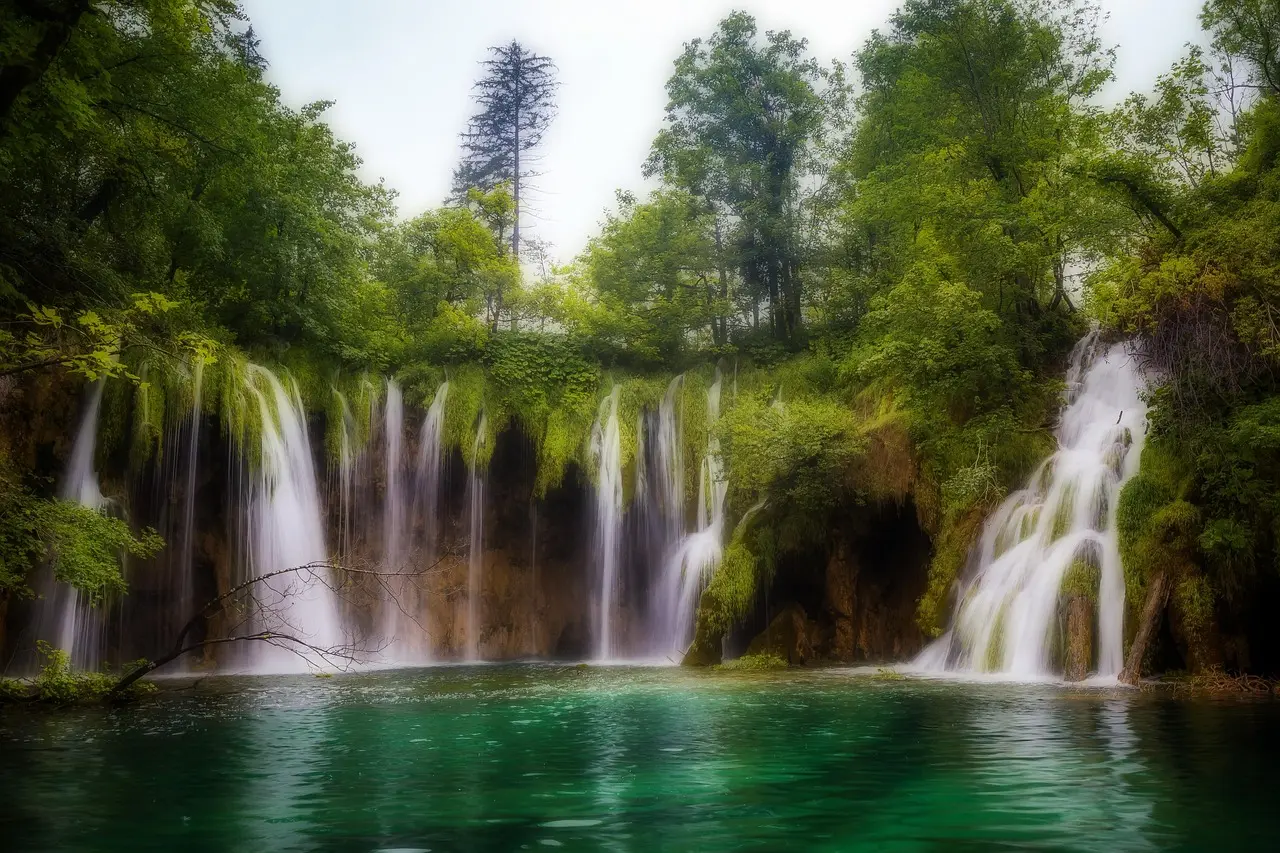
Plitvice Lakes, Croatia: A Living Palette of Turquoise and Emerald
Plitvice Lakes National Park is a masterwork of travertine formation — 16 terraced lakes interconnected by 90 waterfalls, all shimmering in hues from aquamarine to deep jade. Boardwalks wind seamlessly over and beside the water, inviting unhurried observation — a rare design philosophy that supports deep appreciation of natural scenery.
Unlike static viewpoints, Plitvice rewards patience: wait by Veliki Slap (the Great Waterfall) at midday to see sunlight fracture through mist into rainbows; return at dusk to hear otters splash in silent, glassy waters. The park bans motorized transport — only electric boats and shuttle buses operate — preserving acoustic integrity essential to appreciating natural scenery.
Insider insight: Purchase tickets online for early-morning entry (7–9 a.m.) when light filters softly through beech and fir canopies — the ideal time to appreciate natural scenery with minimal distraction.
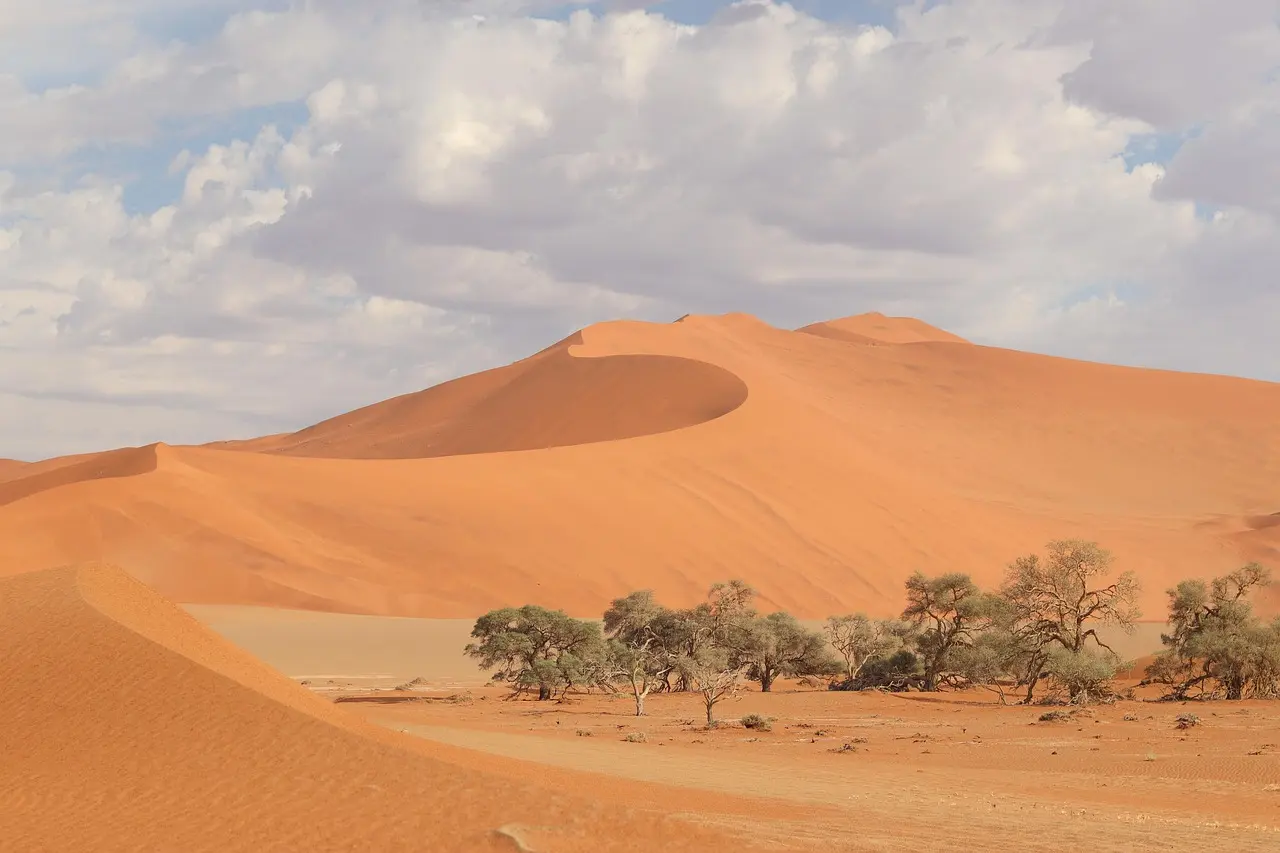
Namib Desert & Sossusvlei, Namibia: Ancient Dunes and Star-Soaked Silence
At over 55 million years old, the Namib is Earth’s oldest desert — and one of the most profound places to appreciate natural scenery through contrast: burnt-orange dunes rising 300 meters beside fossilized acacia forests, starfields so dense they cast shadows, and ephemeral rivers carving life into arid stone.
Climb Dune 45 at sunrise to watch light ripple across star-shaped crests — then descend into Deadvlei, where 900-year-dead camel thorn trees stand like charcoal sculptures against white clay pans. At night, astrophotographers and stargazers alike find unparalleled clarity for appreciating natural scenery beyond daylight — a reminder that natural beauty extends across spectrums of time and perception.
Conservation note: Concession-based ecotourism funds anti-poaching units and community conservancies — ensuring that every traveler’s act of appreciating natural scenery contributes directly to preservation.
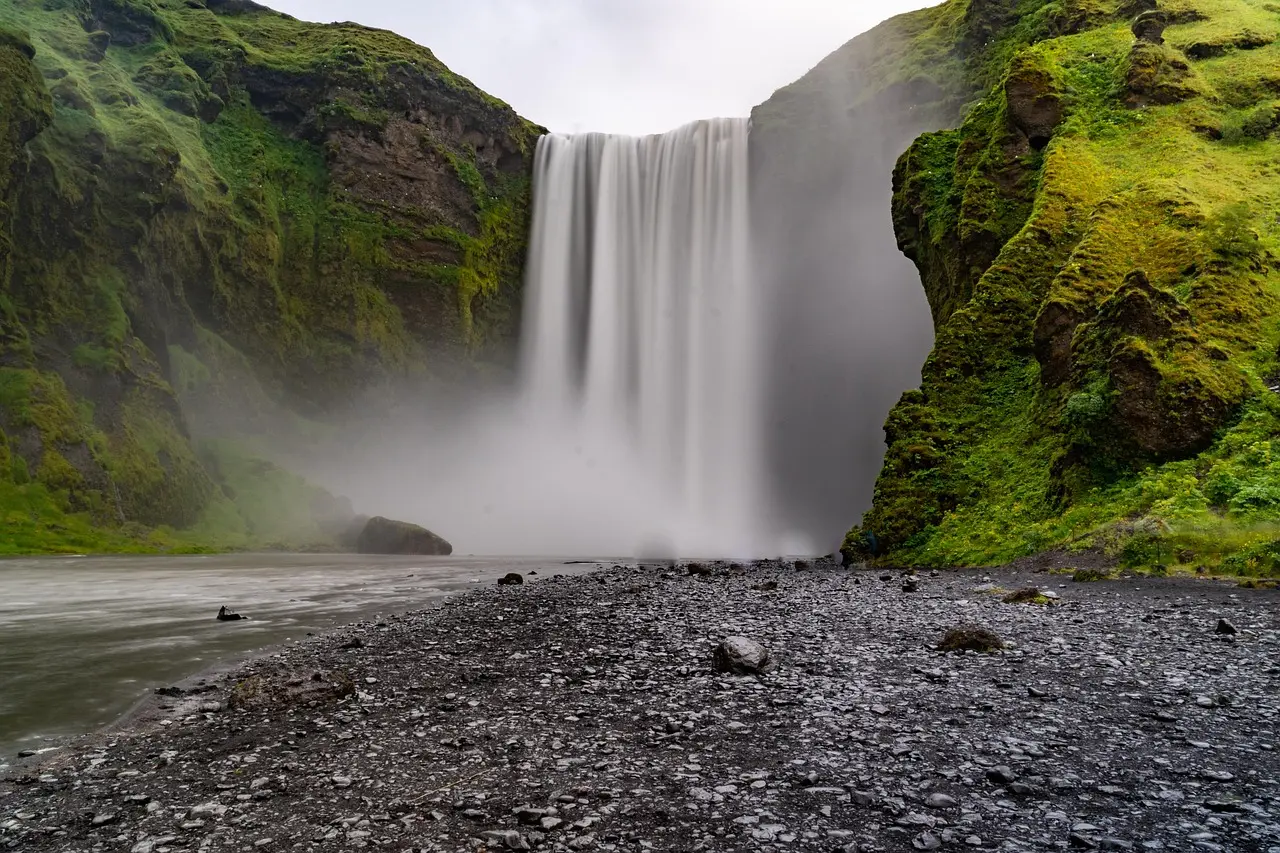
Fjaðrárgljúfur Canyon, Iceland: Basalt Poetry in Motion
Carved by glacial runoff over 10,000 years, Fjaðrárgljúfur Canyon in southeast Iceland is a serpentine marvel of columnar basalt, emerald moss, and frothing rapids. Its narrow fissures and hidden waterfalls reward close attention — a destination designed for slow, sensory-rich appreciation of natural scenery.
Walk the full 1.5 km loop trail, pausing frequently: listen to meltwater echoing off black rock; run fingers over velvet mosses thriving in perpetual mist; photograph rainbows refracting in airborne spray. Unlike Iceland’s more famous sites, Fjaðrárgljúfur sees fewer than 10% of Golden Circle visitors — making it ideal for reflective, distraction-free appreciation of natural scenery.
Responsible access: Stick strictly to marked paths — fragile moss ecosystems take decades to recover from trampling. Local guides emphasize ‘micro-moments’: noticing lichen patterns, identifying Arctic willow, or tracking ptarmigan footprints — all deepening how you appreciate natural scenery.
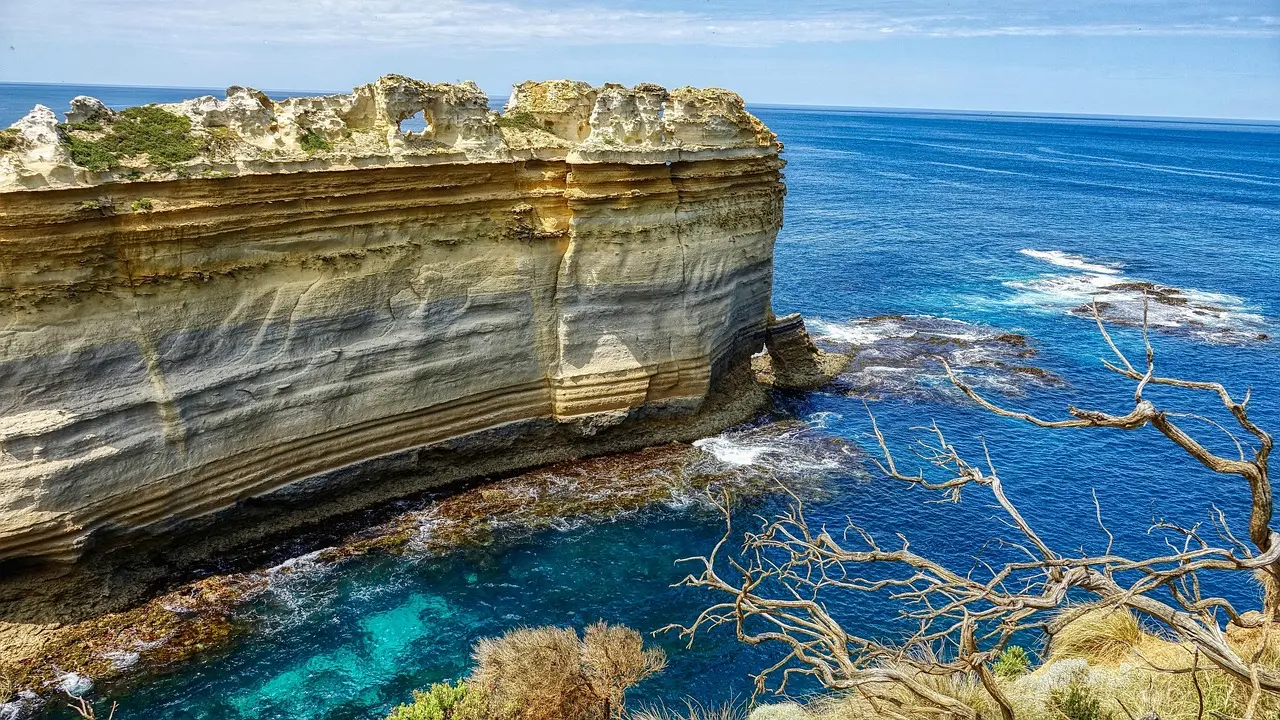
Great Ocean Road, Australia: Coastal Majesty Meets Aboriginal Wisdom
Stretching 243 km along Victoria’s southwest coast, the Great Ocean Road delivers relentless drama: limestone stacks like the Twelve Apostles rising from Southern Ocean swells, rainforest gullies plunging to secluded beaches, and koalas dozing in coastal eucalypts. But true appreciation of natural scenery here includes listening — to Gunditjmara elders share creation stories tied to volcanic plains and sea caves.
Enhance your journey with a Wurundjeri or Gadubanud cultural walk: learn how ‘songlines’ map ecological knowledge, why certain rock formations are ancestral beings, and how fire-stick farming shaped today’s biodiverse heathlands. This contextual layer transforms sightseeing into reverence — deepening how you appreciate natural scenery with humility and continuity.
Seasonal tip: Winter (June–August) brings storm-watching opportunities — powerful waves crashing against limestone sentinels offer a visceral, elemental way to appreciate natural scenery.
Mount Roraima, Venezuela: A Lost World Above the Clouds
Rising 2,810 meters above the Gran Sabana, Mount Roraima is one of Earth’s oldest tabletop mountains — a 2-billion-year-old sandstone plateau crowned with endemic pitcher plants, blackwater pools, and quartz crystals. Charles Darwin called it ‘a fragment of another world’ — and indeed, stepping onto its summit feels like crossing into primordial time.
Reaching the top demands a 4-day trek with indigenous Pemón guides — whose ancestral stewardship ensures minimal impact and rich storytelling. At dawn, clouds part to reveal endless tepui horizons — a humbling vista that recalibrates perspective and deepens appreciation of natural scenery beyond aesthetics into geologic time.
Ethical note: Permits are limited and fees fund Pemón-led conservation patrols. Climbers must follow strict gear protocols (no drones, no chalk, no removal of flora) — honoring that appreciating natural scenery here is an act of reciprocity, not extraction.
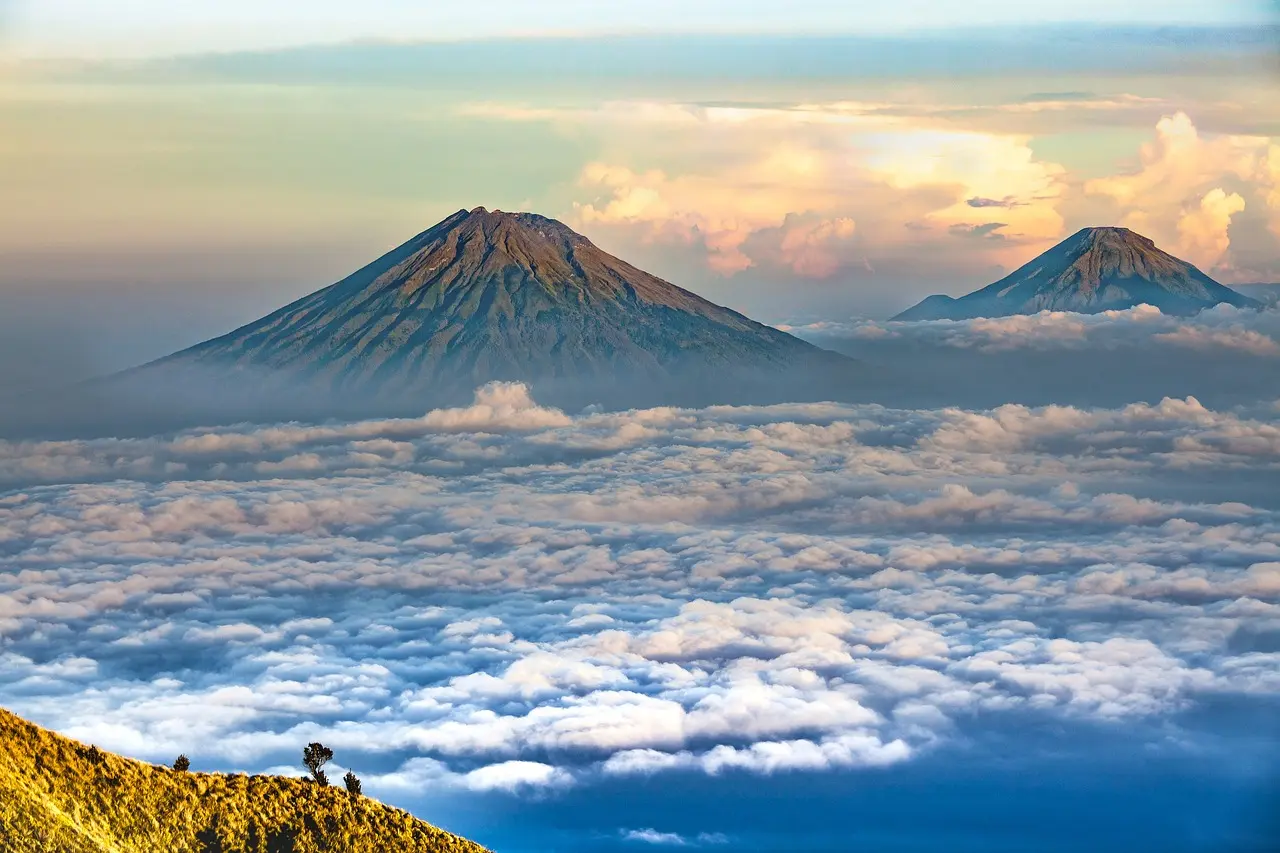
Banff & Jasper, Canada: Rockies Reimagined Through Indigenous Lens
The Canadian Rockies host some of North America’s most accessible yet profound opportunities to appreciate natural scenery — from Moraine Lake’s improbable turquoise to Maligne Canyon’s subterranean waterfalls. Yet deeper meaning emerges when experienced alongside Stoney Nakoda, Tsuut’ina, or Secwépemc knowledge keepers.
Join a ‘Land-Based Learning’ tour in Banff: identify medicinal plants used for centuries, understand glacier retreat through oral histories, and paddle Lake Louise while learning how Nakoda names encode ecological relationships. These practices affirm that appreciating natural scenery is inseparable from respect for original caretakers and living traditions.
Sustainability highlight: Parks Canada’s Indigenous Partnership Program allocates 5% of park revenue to language revitalization and land guardianship — ensuring that every visitor’s appreciation of natural scenery supports cultural resilience.
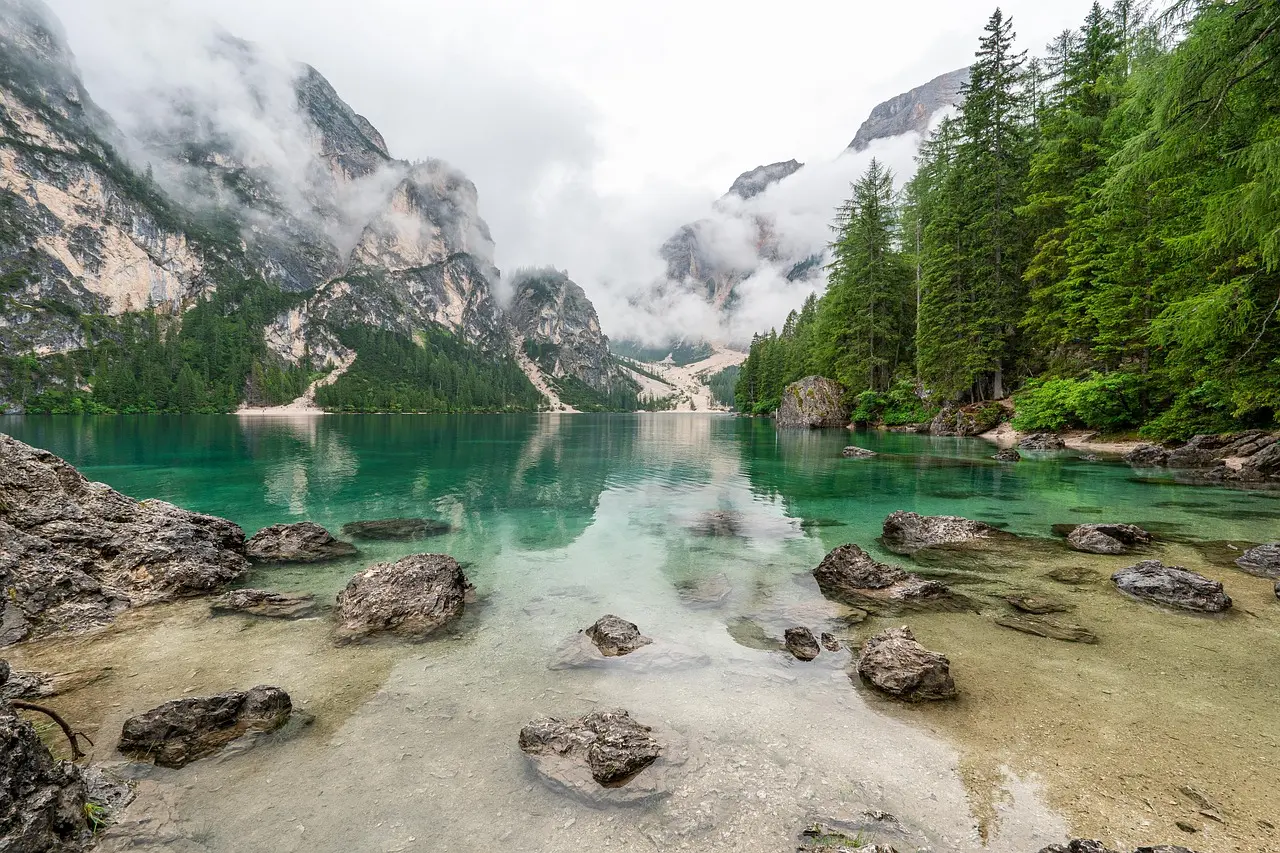
Valley of Fire, USA: Nevada’s Red Rock Revelation
Just 50 miles northeast of Las Vegas, Valley of Fire State Park reveals 150-million-year-old Aztec sandstone sculpted by wind and water into arches, domes, and wave-like folds — all glowing fiery red at dawn and dusk. It’s proof that appreciating natural scenery doesn’t require remote expeditions; sometimes, wonder lives just beyond the city fringe.
Hike the Mouse’s Tank Trail to see ancient petroglyphs beside water-holding depressions used by Ancestral Puebloans — a poignant reminder that humans have appreciated natural scenery here for over 3,000 years. At night, the park’s International Dark Sky designation makes it ideal for stargazing — linking celestial and terrestrial beauty in holistic appreciation of natural scenery.
Practical tip: Carry 3L water minimum, wear UV-blocking clothing, and download offline maps — services are nonexistent, preserving silence essential to appreciating natural scenery authentically.
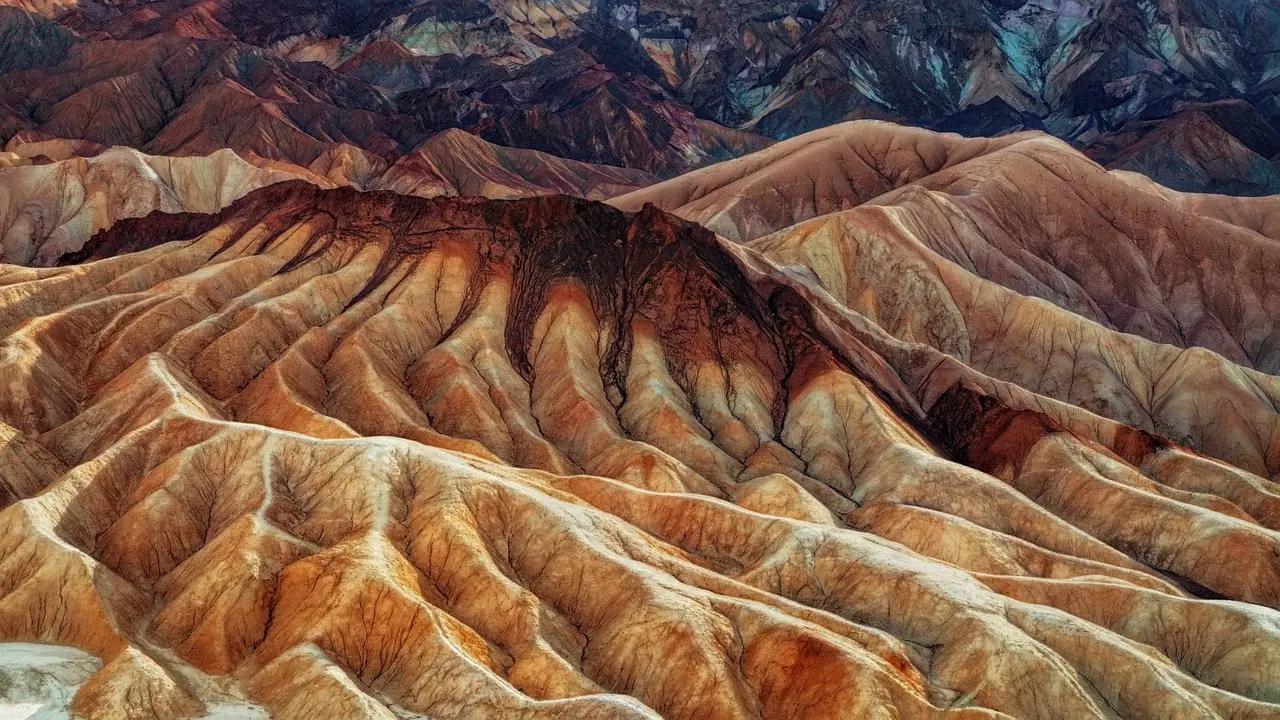
Komodo National Park, Indonesia: Volcanic Islands & Prehistoric Giants
Beyond Komodo dragons, this UNESCO site delivers extraordinary appreciation of natural scenery: pink-sand beaches formed from crushed coral, jagged volcanic peaks rising from sapphire seas, and coral gardens teeming with pygmy seahorses. It’s a marine-terrestrial mosaic demanding multidimensional attention.
Snorkel Pink Beach at low tide to see reef sharks resting in shallows; hike Padar Island’s summit for a 360° panorama of three distinct bays — each with unique currents, colors, and seabed composition. Local Bajau sea-nomads share navigation wisdom passed down for centuries — reminding us that appreciating natural scenery includes understanding how people thrive within it.
Conservation win: Since 2020, visitor caps and mandatory eco-fees fund dragon monitoring and coral restoration — ensuring that appreciation of natural scenery translates directly into protection.
Planning Your Journey to Appreciate Natural Scenery Responsibly
Appreciating natural scenery is not passive consumption — it’s active participation in planetary stewardship. Before booking, ask: Does this operator employ local guides? Do they adhere to Global Sustainable Tourism Council (GSTC) criteria? Are fees reinvested in conservation or community development?
Pack mindfully: bring reusable water filters (not single-use plastic), reef-safe sunscreen, and noise-reducing earplugs for wildlife observation. Download offline trail maps and species ID apps like iNaturalist to turn every walk into citizen science — deepening your appreciation of natural scenery through knowledge and contribution.
Finally, document thoughtfully: choose moments over megapixels. Sit quietly for 10 minutes at a waterfall’s edge. Sketch a canyon profile. Journal sensory impressions — not just what you saw, but how the air tasted, what birdsong repeated, how light shifted. That’s how appreciation of natural scenery becomes lifelong transformation.

Appreciating natural scenery is both a privilege and a practice — one that grows richer with knowledge, humility, and care. From the snow-draped Himalayas to the coral-fringed shores of Komodo, each destination on this list offers more than spectacle: it invites dialogue with geology, ecology, and culture. As you plan your next journey, remember that true appreciation of natural scenery begins before departure — with research, respect, and readiness to receive wonder slowly. Choose operators aligned with conservation, travel in shoulder seasons, amplify Indigenous voices, and carry home not souvenirs, but stories and stewardship commitments. Because the most enduring landscapes aren’t just seen — they’re safeguarded, shared, and sustained. Start today: pick one place from this list, learn its language, support its people, and step forward ready to deeply, responsibly, and joyfully appreciate natural scenery.