Why Cultural Experience Through Local Festivals Is the Heart of Meaningful Travel
In an era where travel is increasingly curated for convenience over connection, a true cultural experience stands out as transformative. Participating in local festivals and folk performances isn’t just sightseeing — it’s stepping into living history, shared identity, and communal joy. For travelers seeking depth over distance, cultural experience through local festivals offers unparalleled authenticity, emotional resonance, and intercultural understanding.
This article explores 15 global destinations where cultural experience through local festivals and folk performances is not a side attraction — it’s the main event. Whether you’re drawn to rhythmic drumming in West Africa, masked dances in Bhutan, or textile parades in Peru, each destination delivers immersive cultural experience rooted in centuries-old traditions. We’ve selected locations based on accessibility, preservation integrity, community involvement, and traveler safety — all optimized for those prioritizing meaningful cultural experience over commercial spectacle.
Bali, Indonesia: Nyepi Day & Ogoh-Ogoh Parades
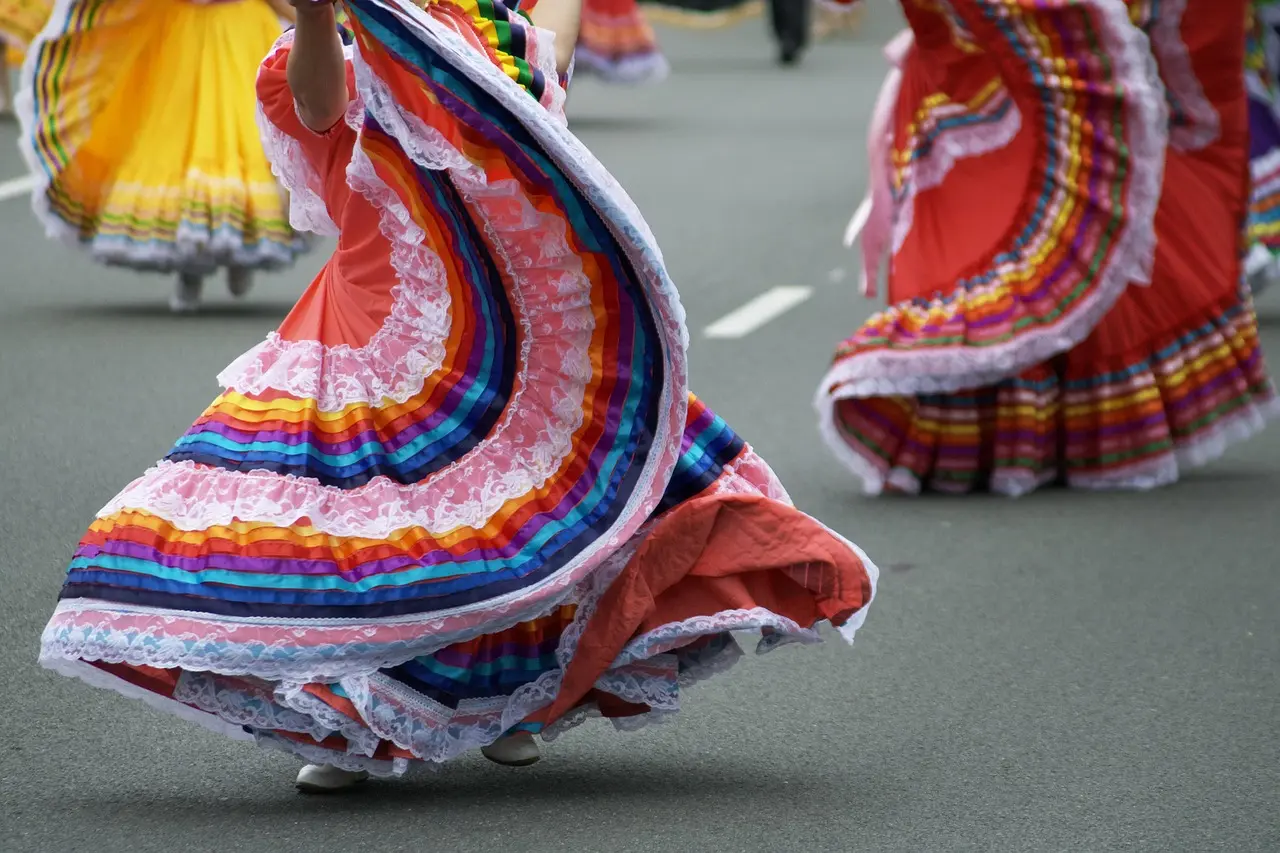
Bali offers one of the most profound cultural experiences through local festivals: Nyepi, the Balinese ‘Day of Silence.’ Preceding Nyepi is the Ogoh-Ogoh parade — massive papier-mâché demons carried through villages amid gamelan music and firecrackers. This ritual symbolizes the expulsion of negative forces, culminating in 24 hours of total silence, no lights, no travel, and introspection.
Unlike staged tourist shows, Nyepi is lived by every Balinese family — offering rare access to spiritual discipline and communal rhythm. Travelers who time their visit for March (date varies by Balinese calendar) witness how cultural experience through local festivals shapes daily life, values, and resilience. It’s a masterclass in intentionality — and proof that cultural experience through local festivals can be both solemn and spectacular.
Oaxaca, Mexico: Guelaguetza Festival & Indigenous Expressions
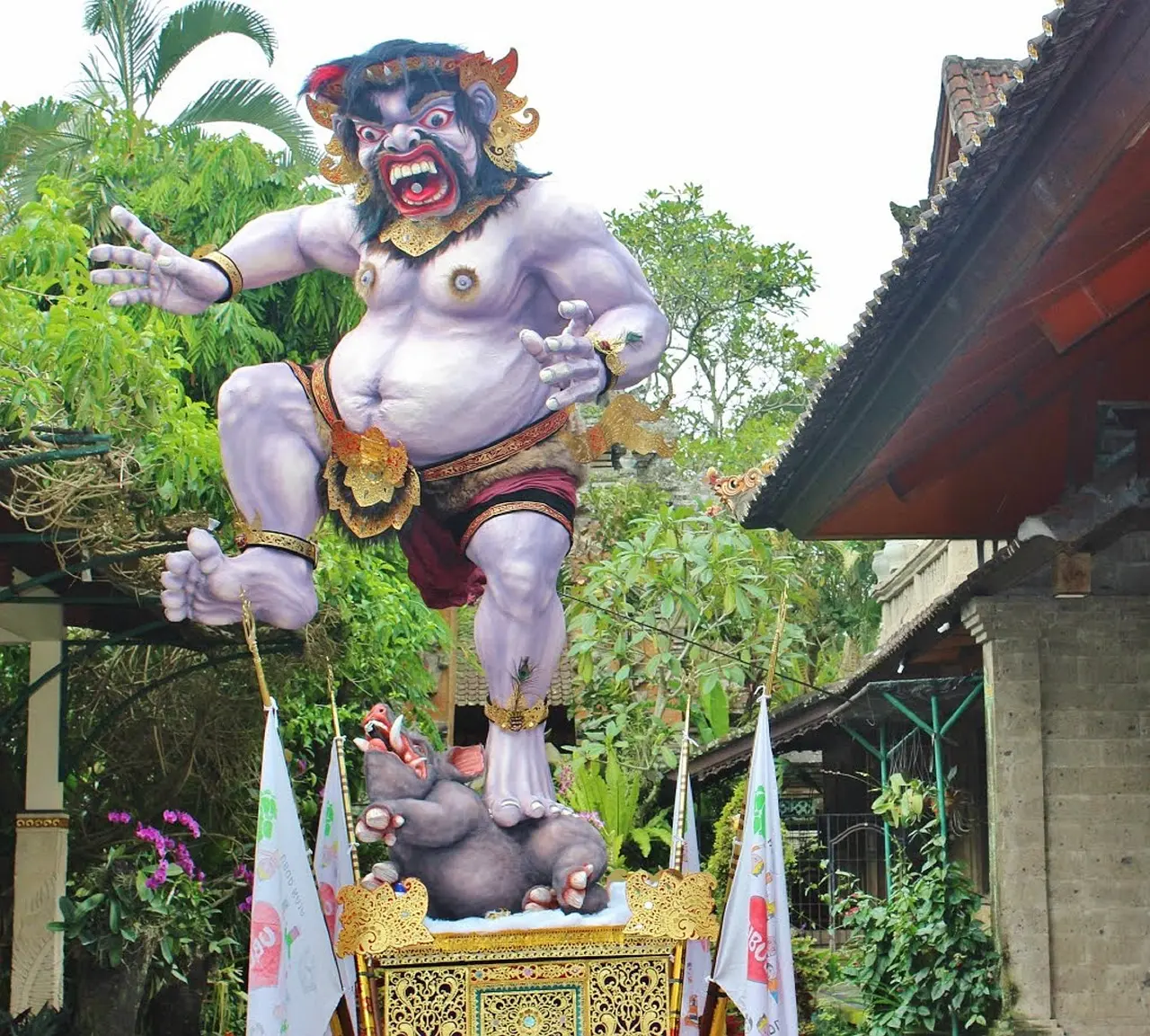
Held every July in Oaxaca City, the Guelaguetza is more than a folk performance — it’s a living archive of Zapotec, Mixtec, and Triqui heritage. The word ‘guelaguetza’ itself means ‘offering’ in Zapotec, reflecting its ethos of reciprocity and cultural pride. Dancers in handwoven huipils, musicians playing pre-Hispanic flutes, and poets reciting in native tongues create a multi-sensory cultural experience through local festivals and folk performances.
What sets this apart is community stewardship: each delegation represents a specific municipality, preserving dialects, embroidery motifs, and agricultural rites. For travelers, attending Guelaguetza is cultural experience through local festivals at its most participatory — with shared meals, artisan markets, and intergenerational storytelling woven into the program.
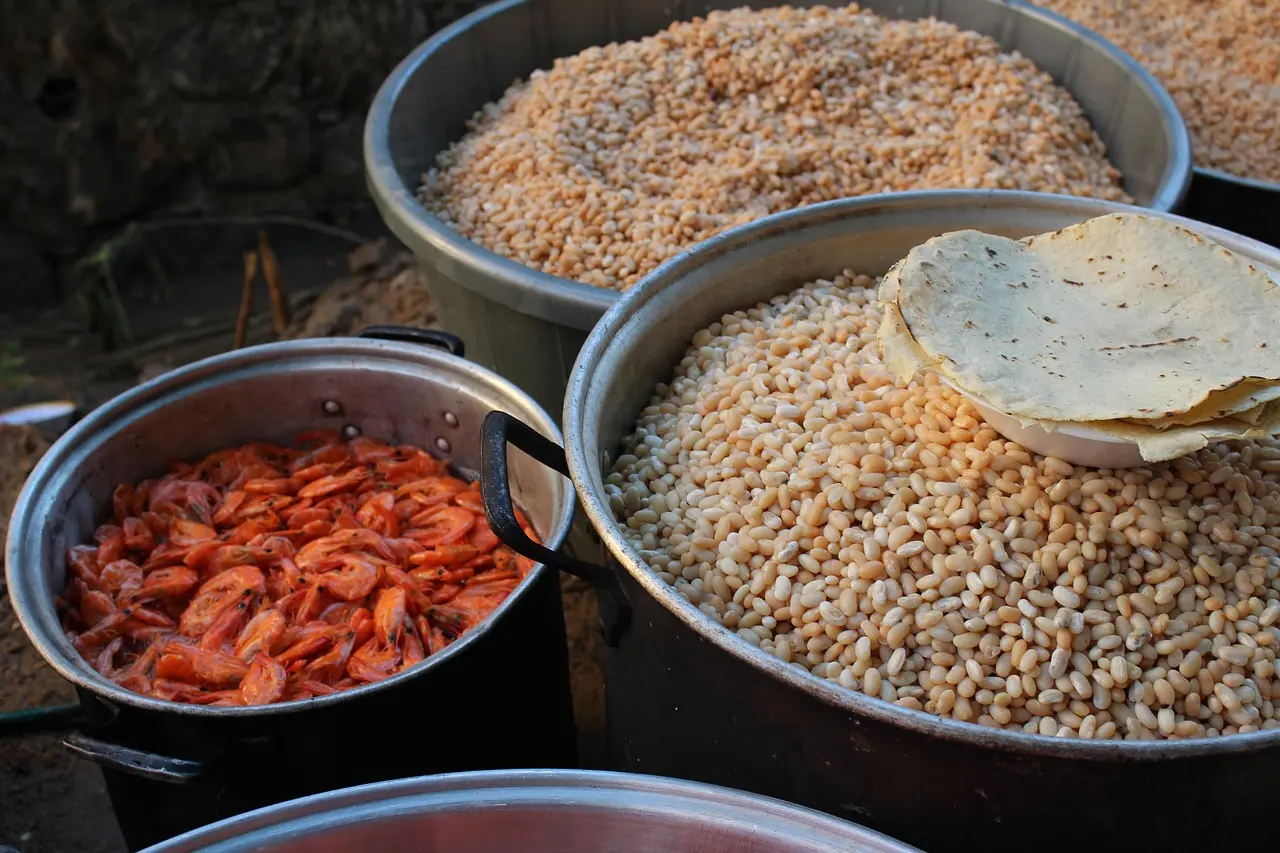
Marrakech, Morocco: Fantasia Equestrian Shows & Amazigh Celebrations
In the High Atlas foothills near Marrakech, the Fantasia — or ‘Tbourida’ — is a thunderous display of horsemanship rooted in Amazigh (Berber) martial tradition. Riders in indigo-dyed jellabas charge in unison, firing antique muskets skyward in synchronized volleys. This isn’t reenactment; it’s continuity — passed down through families for generations.
Beyond spectacle, Fantasia embodies values of precision, trust, and collective honor — core pillars of cultural experience through local festivals and folk performances in North Africa. Travelers can attend village-level events year-round or join the annual Imilchil Marriage Festival, where poetry duels and carpet-weaving contests deepen the cultural experience through local festivals beyond the visual.
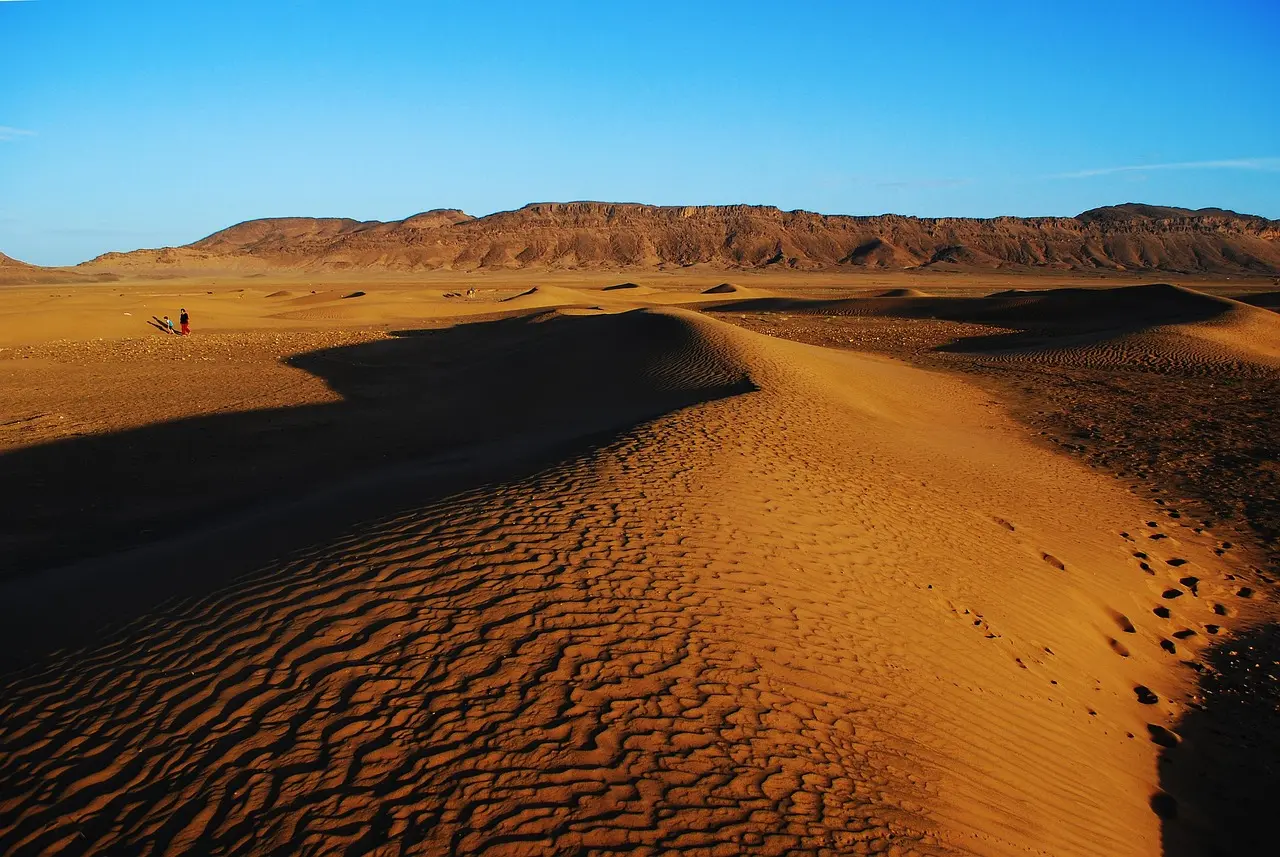
Kyoto, Japan: Gion Matsuri & Yoiyama Night Processions
July in Kyoto belongs to Gion Matsuri — a 1,100-year-old Shinto festival honoring the Yasaka Shrine. Its highlight? The Yamaboko Junko parade: towering, hand-pulled floats adorned with 17th-century tapestries and Noh masks. But the deeper cultural experience through local festivals unfolds during Yoiyama — three nights when streets become open-air museums: lantern-lit machiya houses, geiko and maiko performing kyomai dance, and vendors serving yudofu (tofu hotpot).
What makes Gion Matsuri exceptional is its decentralized authenticity: neighborhoods maintain their own floats, music troupes, and culinary rituals. Travelers don’t observe from bleachers — they sip matcha on tatami floors while children practice taiko drumming. That’s cultural experience through local festivals at its most intimate and sustained.
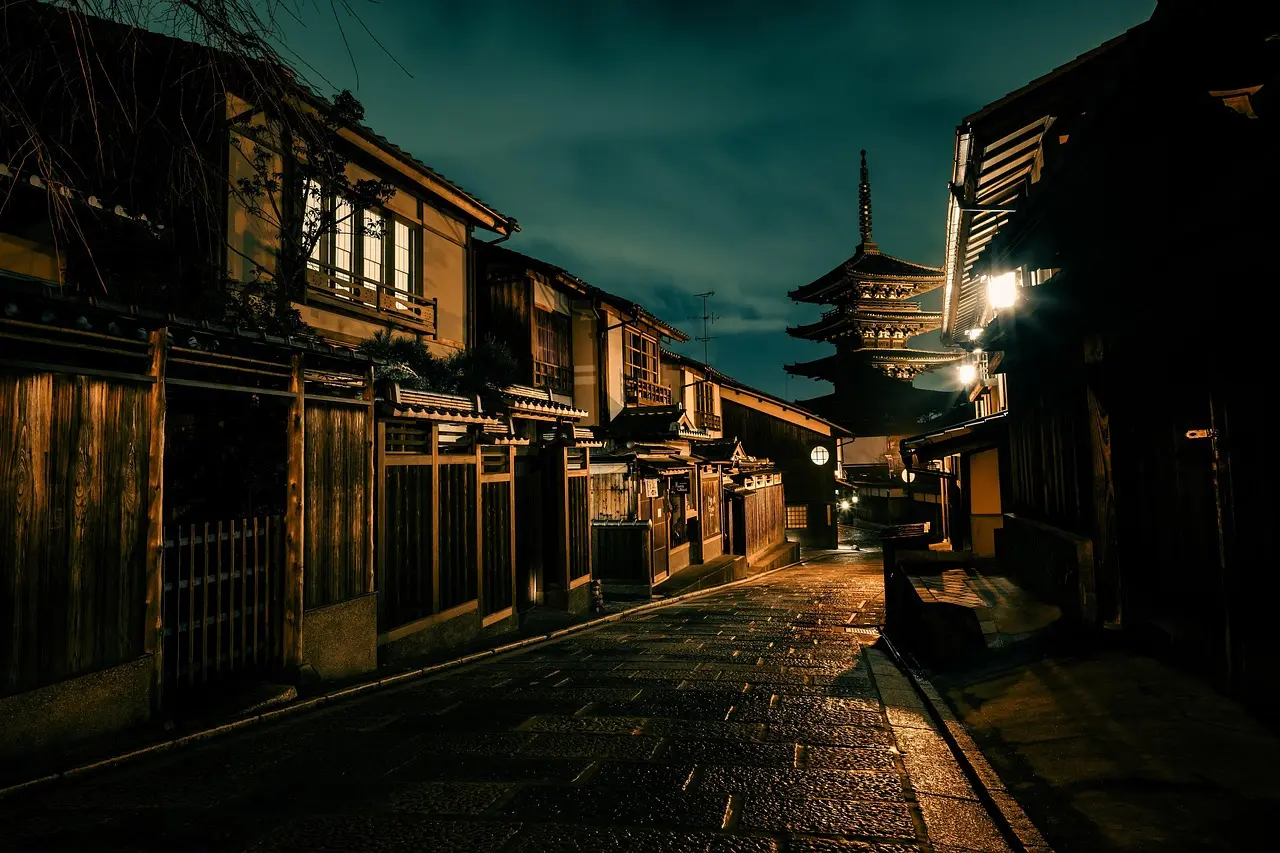
Ladakh, India: Hemis Tsechu & Cham Dance Rituals
Perched at 11,500 feet, Hemis Monastery hosts the Hemis Tsechu — Ladakh’s largest Buddhist festival. Over two days, monks perform Cham dances wearing brocade robes and ornate masks representing deities, demons, and protectors. Each movement encodes tantric philosophy; each mask tells a story of compassion conquering ignorance.
Cultural experience through local festivals here is tactile and transcendent: butter sculptures gleam under Himalayan sun, pilgrims prostrate along kora paths, and elders chant mantras beside wide-eyed children. Unlike theatrical adaptations, these are sacred acts — making Hemis Tsechu one of the world’s most spiritually grounded cultural experiences through local festivals and folk performances.
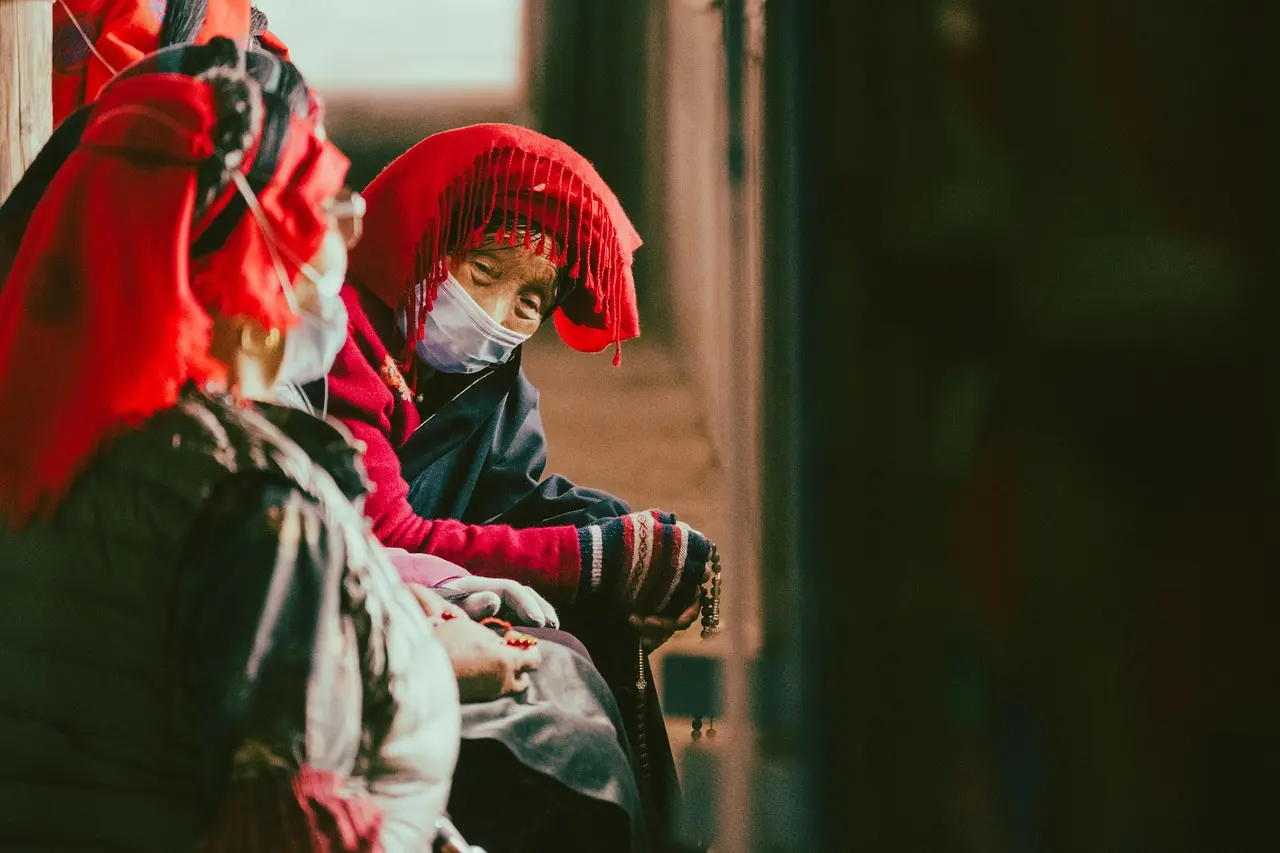
Ouidah, Benin: Vodun Festival & Sacred Processions
Ouidah — the historic epicenter of West African Vodun — hosts an annual Vodun Festival every January. Far from caricature, this is a vibrant affirmation of ancestral veneration, ecological ethics, and communal healing. Devotees wear white cloth, carry sacred serpents, and dance to rhythms invoking deities like Mami Wata and Legba.
Cultural experience through local festivals in Ouidah challenges Western binaries of sacred/profane and performer/audience. Visitors walk the Route des Esclaves alongside priests and historians, then share palm wine with families whose lineages survived the transatlantic trade. It’s cultural experience through local festivals as memory-keeping, resistance, and renewal — raw, reverent, and unforgettable.

Cusco, Peru: Inti Raymi & Inca Revivalism
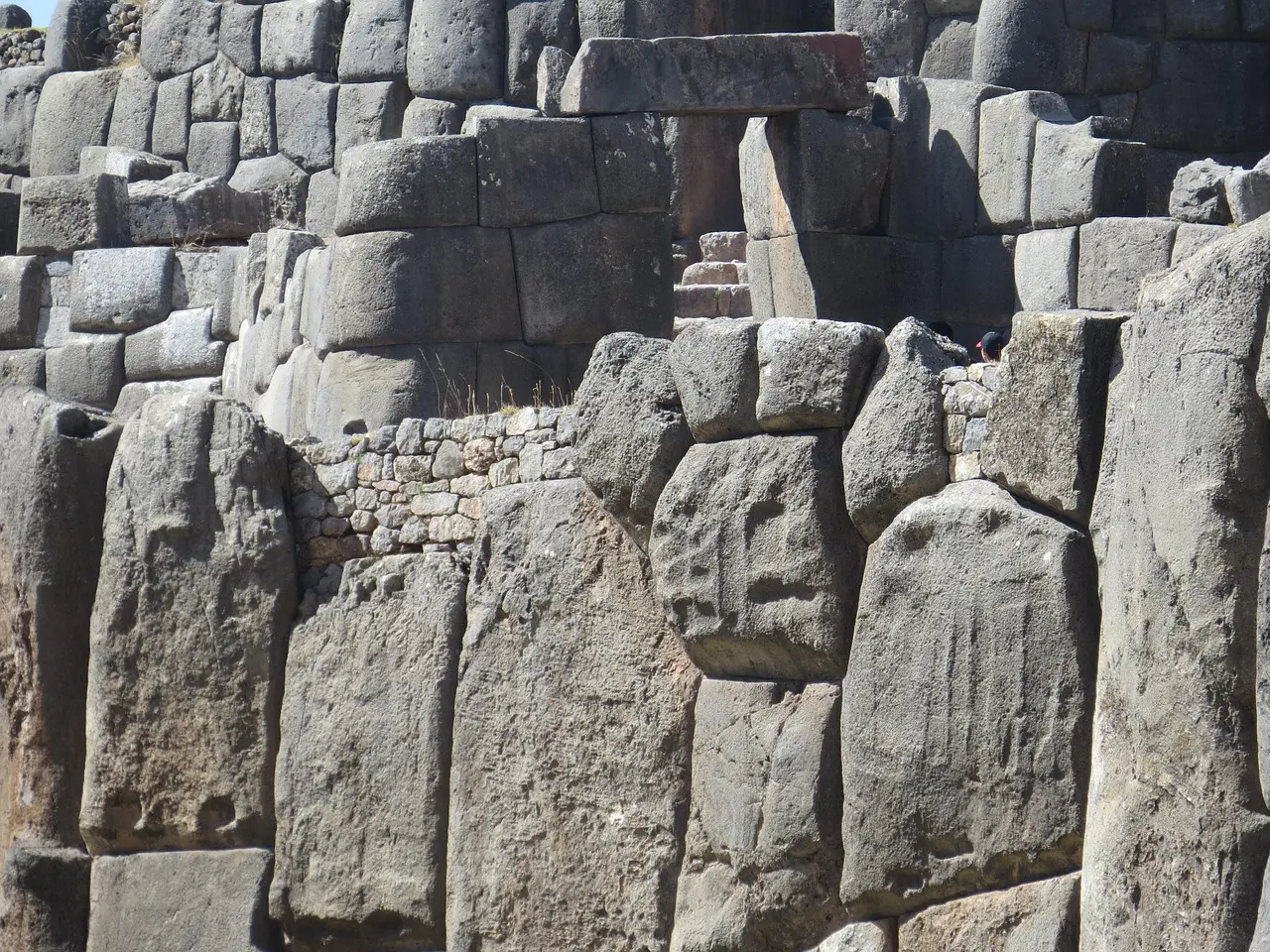
Every June 24, Cusco transforms for Inti Raymi — the Festival of the Sun. Though revived in 1944, it draws directly from colonial chronicles of Inca ceremonies honoring Inti, the sun god. At Sacsayhuamán fortress, actors in alpaca-fiber tunics and gold headdresses reenact offerings, chants, and processions — but crucially, Quechua language, Andean cosmology, and community participation anchor its authenticity.
Cultural experience through local festivals here bridges past and present: schoolchildren learn Quechua songs months in advance; textile cooperatives weave new ceremonial cloaks; elders bless coca leaves before the procession. Travelers don’t just watch history — they witness its active, evolving cultural experience through local festivals and folk performances.
Bhutan: Paro Tsechu & Masked Dance Traditions
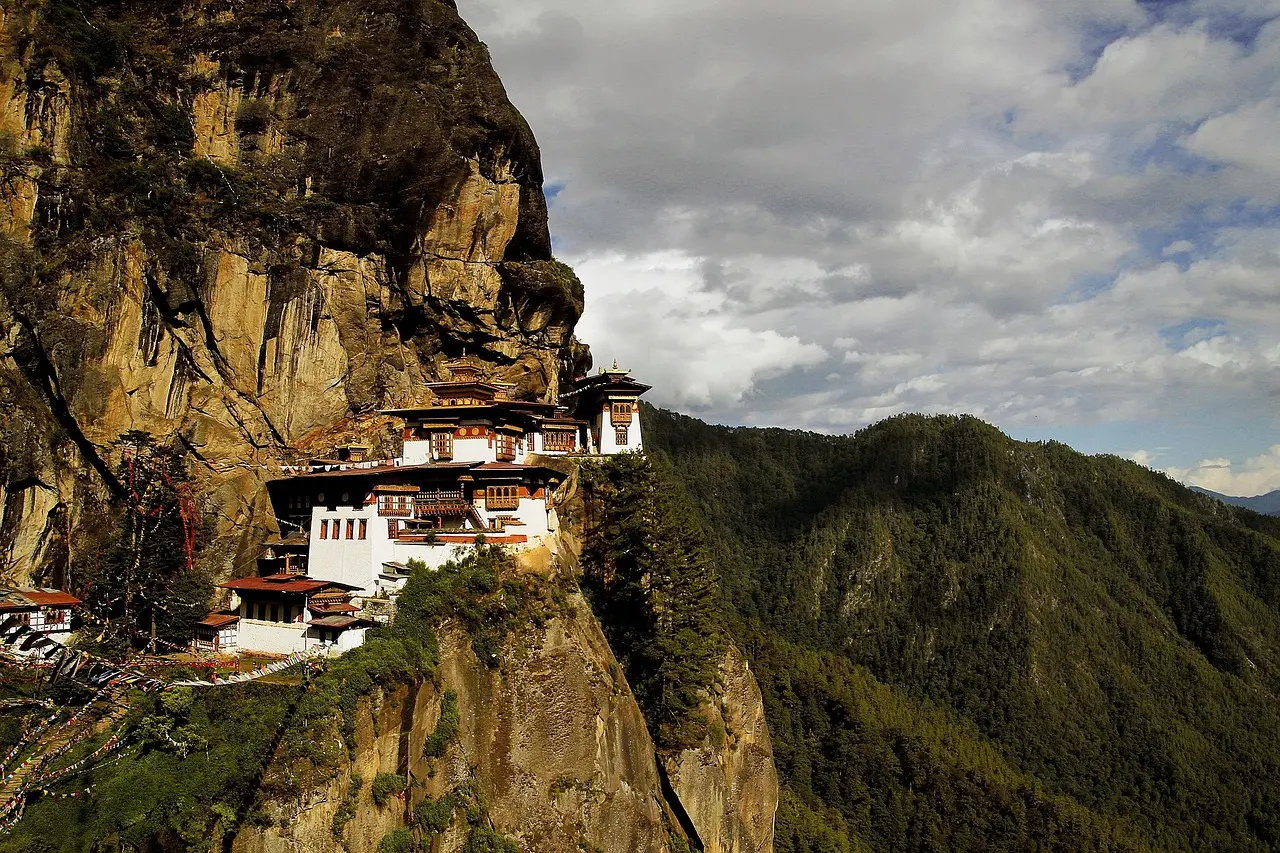
Paro Tsechu, held each spring in Bhutan’s Paro Valley, centers on cham dances performed by monks and laypeople in hand-stitched brocade robes and ancient masks. These aren’t entertainment — they’re visual prayers. The ‘Dance of the Black Hats’ purifies space; the ‘Dance of the Stags’ teaches impermanence.
What defines cultural experience through local festivals in Bhutan is its integration with Gross National Happiness metrics: festivals support monastic education, sustain artisan guilds, and reinforce environmental stewardship (e.g., sacred forest walks during tsechus). For travelers, cultural experience through local festivals becomes ethical engagement — respectful observation, mindful photography, and direct support of local homestays and craft stalls.
Sardinia, Italy: Mamuthones di Mamoiada & Pre-Christian Rites
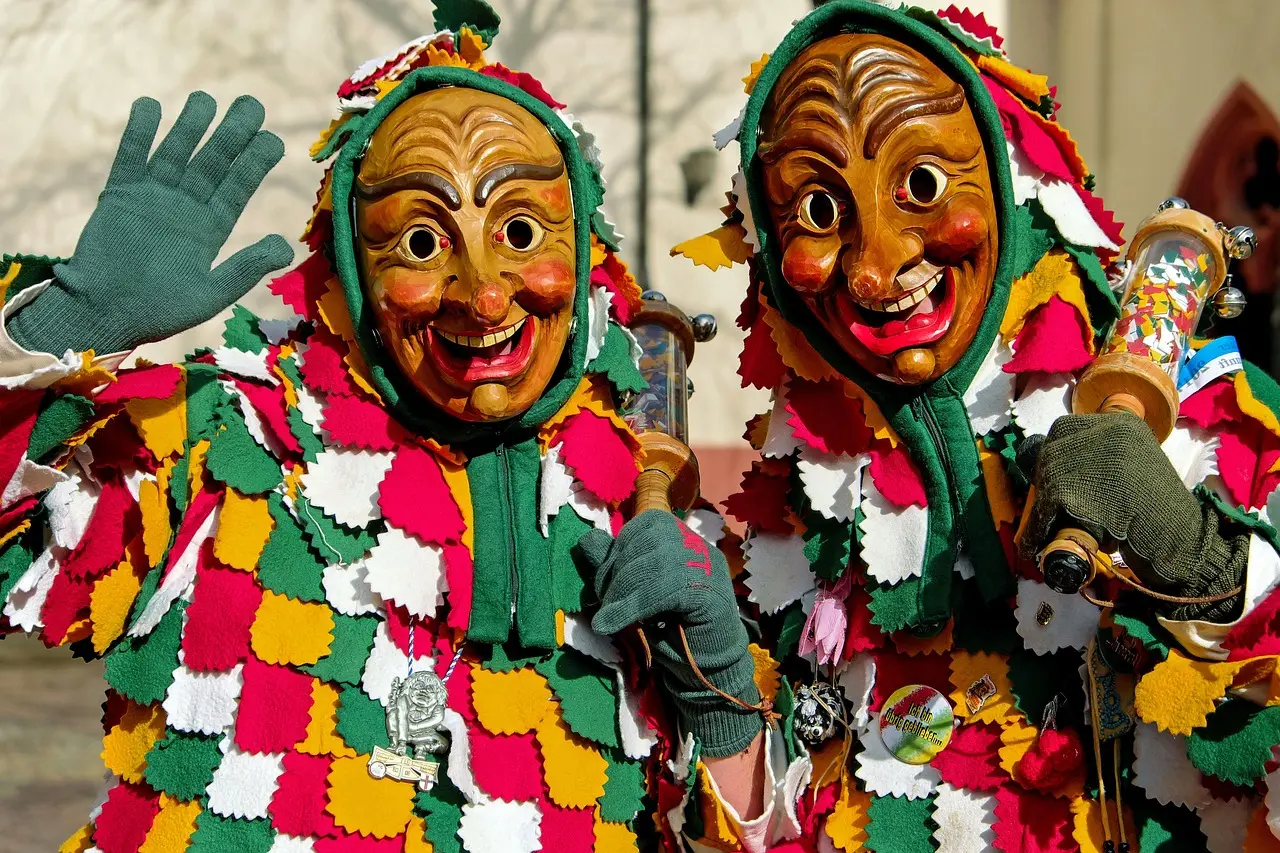
In the mountain village of Mamoiada, January brings the Mamuthones — figures draped in sheepskins, wearing carved wooden masks and dragging heavy bronze bells. Their slow, rhythmic march through snow-dusted alleys predates Roman rule, possibly echoing Nuragic fertility rites.
This is cultural experience through local festivals stripped of gloss: no stages, no tickets, no English translations. Locals invite travelers into stone homes for myrtle-infused wine and pane carasau. The Mamuthones remind us that cultural experience through local festivals needn’t be loud to be powerful — sometimes, it’s the weight of bells, the scent of woodsmoke, and the silence between steps that lingers longest.
Ethiopia: Timkat & Orthodox Christian Pageantry
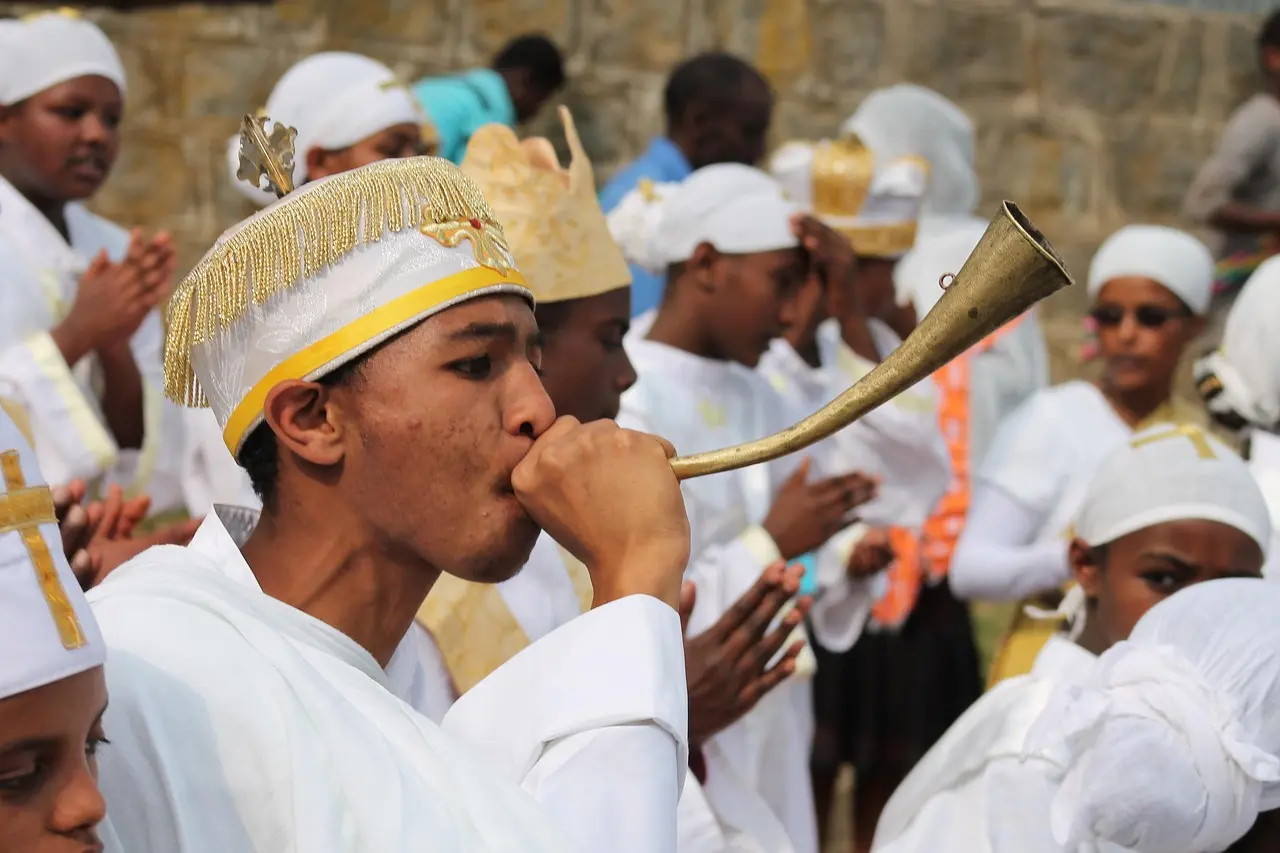
Timkat, Ethiopia’s Epiphany celebration (January 19), transforms cities into rivers of color and chant. Priests carry replica Tabots (ark replicas) beneath embroidered parasols while choirs sing centuries-old hymns in Ge’ez. In Lalibela, pilgrims wade into thermal pools at dawn — reenacting Christ’s baptism with water blessed by bishops.
Cultural experience through local festivals in Ethiopia reveals Orthodoxy as a sensory, embodied faith: incense clouds, rhythmic kebero drumming, and the tactile warmth of shared injera bread. It’s cultural experience through local festivals as theological theater — accessible, immersive, and deeply human.
Rajasthan, India: Pushkar Camel Fair & Folk Music Gatherings
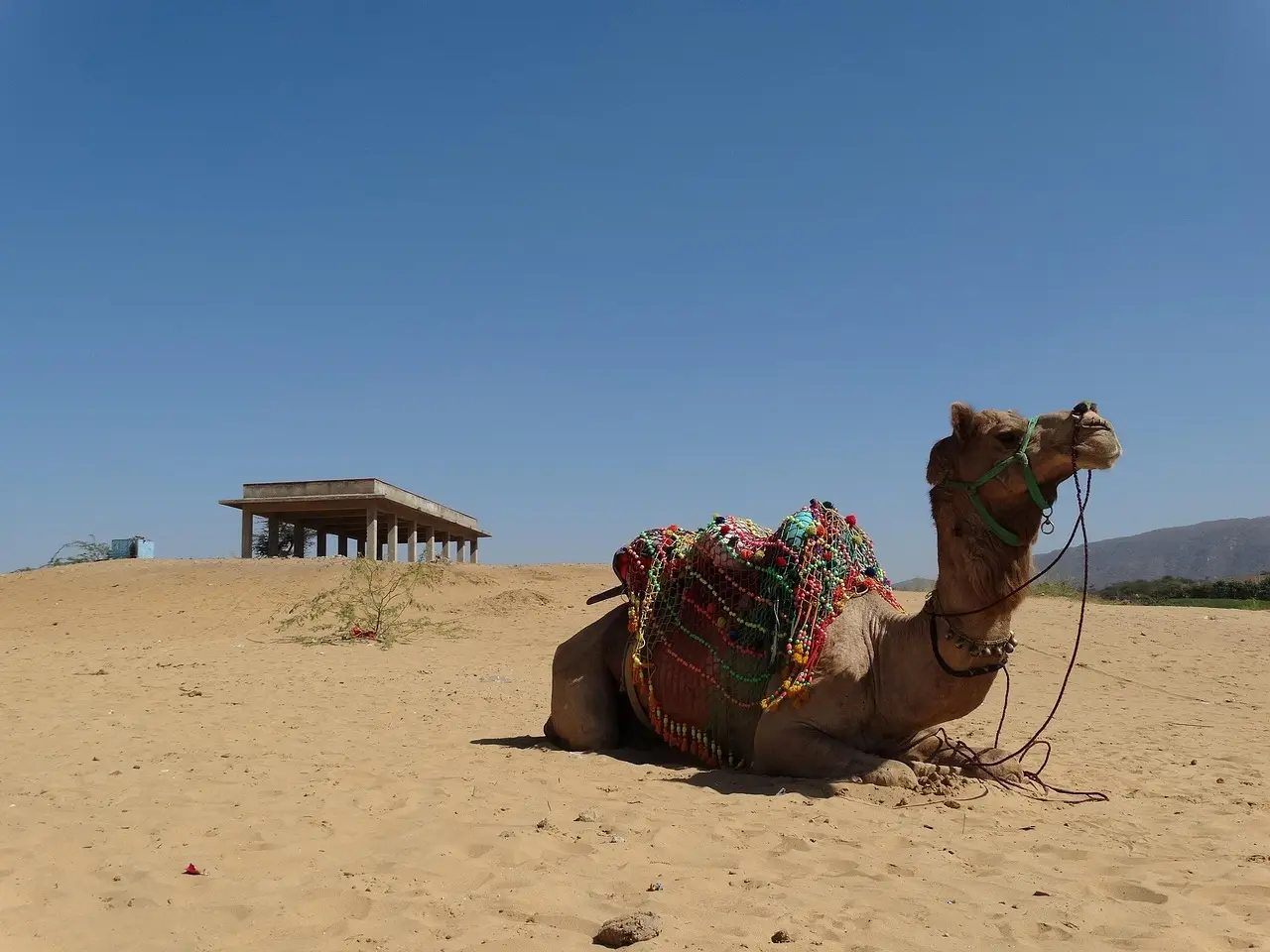
More than a livestock market, the Pushkar Camel Fair (November) is Rajasthan’s largest folk convergence. While camels are traded, the soul lies in the Manganiyar and Langa musicians — hereditary caste groups preserving oral epics on sarangi and khamaycha. At night, dhol drums pulse under starlight as storytellers recount tales of valor and love.
Cultural experience through local festivals here thrives in spontaneity: joining a family’s henna party, learning ghoomar steps from village women, or sipping saffron milk beside a bonfire. It proves cultural experience through local festivals and folk performances doesn’t require grand stages — sometimes, it blooms in dust, devotion, and shared laughter.
Guatemala: Semana Santa & Alfombra Sawdust Carpets
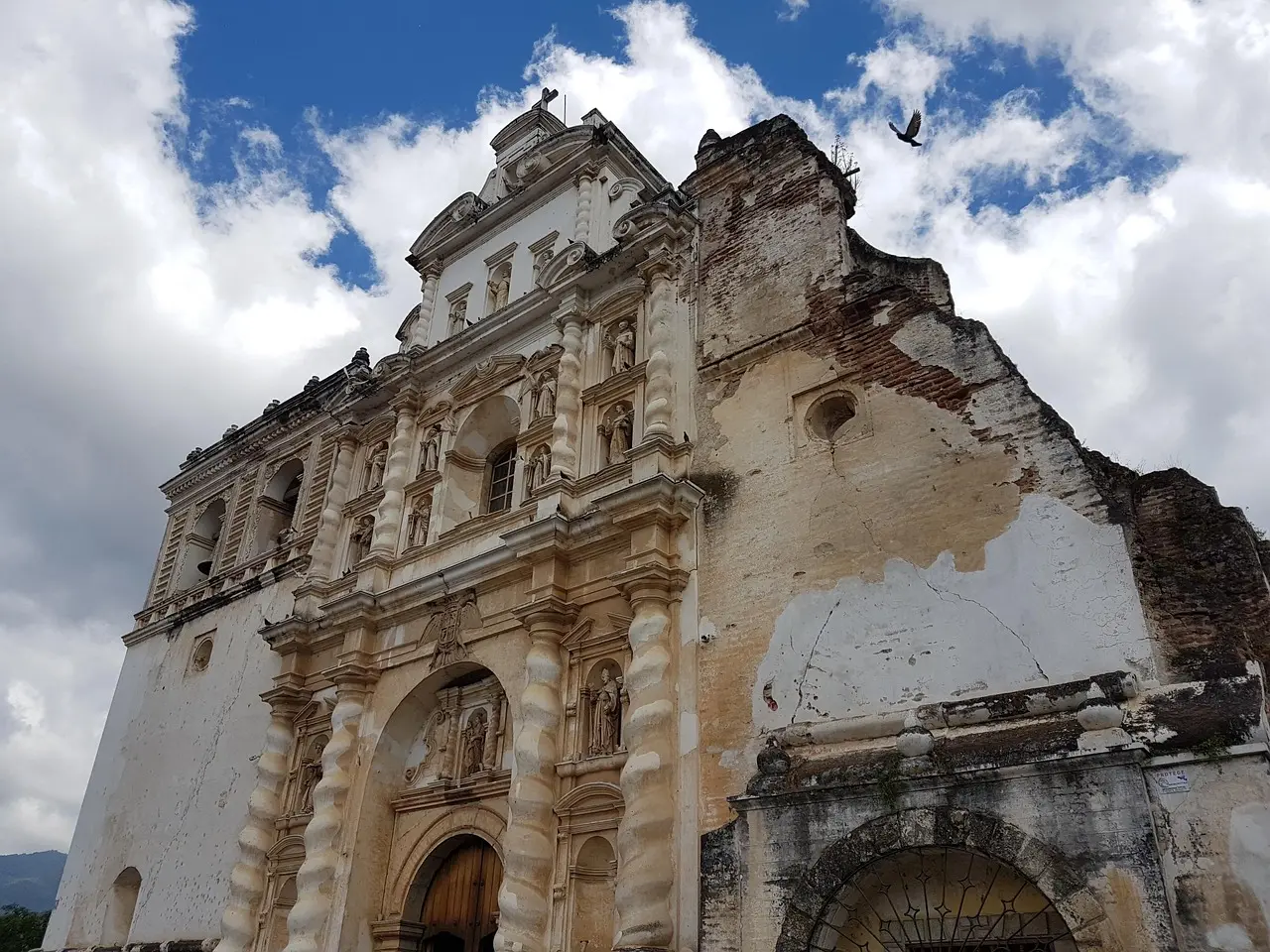
Antigua Guatemala’s Holy Week processions feature ‘alfombras’ — intricate carpets made from dyed sawdust, flowers, and pine needles, laid overnight for penitents to walk upon. As brass bands play mournful marches and hooded brotherhoods carry lifelike pasos (religious statues), the city becomes a living cathedral.
Cultural experience through local festivals in Guatemala merges Catholic devotion with Maya symbolism: purple alfombras echo royal dye traditions; processional routes follow pre-Columbian paths. Travelers who volunteer to help create alfombras — kneeling for hours, mixing pigments, learning patterns from abuelas — access cultural experience through local festivals at its most collaborative and humbling.
Norway: Riddu Riđđu & Sámi Indigenous Festival
Held annually in Kåfjord, northern Norway, Riddu Riđđu celebrates Sámi, Kven, and other Indigenous Arctic cultures. Expect joik singing (vocal improvisation mimicking wind, reindeer, or rivers), duodji handicraft demonstrations, and discussions on land rights and climate justice.
Cultural experience through local festivals here is intentionally political and poetic. When a Sámi elder teaches joik to a group of teenagers — some urban, some nomadic — it’s cultural experience through local festivals as intergenerational reclamation. Travelers gain insight not just into tradition, but into resilience — making Riddu Riđđu one of Europe’s most vital cultural experiences through local festivals and folk performances.
Planning Your Cultural Experience Through Local Festivals: Practical Tips
To maximize cultural experience through local festivals and folk performances, prioritize timing, humility, and preparation. Check lunar calendars (e.g., Nyepi, Timkat), book homestays over hotels, learn basic greetings in the local language, and hire community-certified guides — many festivals offer official ‘cultural ambassadors’ trained by elders.
Respect protocols: ask before photographing sacred dances; remove shoes where required; decline food/drink only with gratitude and explanation. Remember — cultural experience through local festivals isn’t about collecting moments. It’s about being changed by them. Pack curiosity, not just cameras. Bring openness, not assumptions. And always, always leave space for silence — the kind that lets tradition speak loudest.
Cultural experience through local festivals and folk performances remains one of travel’s most enriching, ethical, and enduring rewards. From the silent reverence of Nyepi to the thunderous joy of Fantasia, each destination profiled here offers more than spectacle — it offers belonging, insight, and transformation. As you plan your next journey, choose festivals rooted in community, not commodification. Seek out the unscripted moments: the grandmother teaching a child a dance step, the musician tuning up before dawn, the shared meal after a long procession. That’s where cultural experience through local festivals lives — not on postcards, but in presence. Start researching dates, connect with local cultural centers, and commit to traveling not just *to* places, but *with* people. Your most meaningful cultural experience through local festivals and folk performances awaits — not as a destination, but as a dialogue.