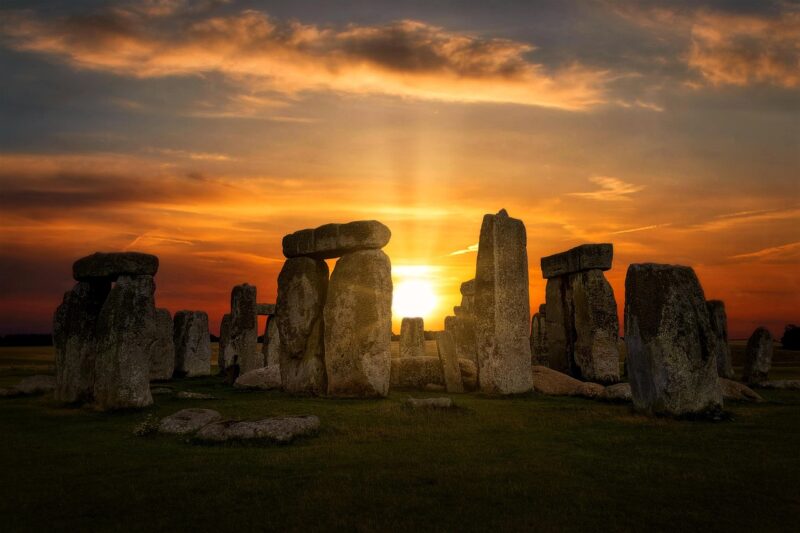
Why Travel Destinations with Iconic Landmarks Dominate Social Feeds
In today’s visual-first digital landscape, travel destinations with iconic landmarks are more than just tourist attractions — they’re cultural touchstones, storytelling catalysts, and algorithm-friendly content goldmines. When travelers search for ‘best places to take photos while traveling’ or ‘most Instagrammable cities in the world,’ they’re seeking destinations where geography, architecture, and local culture converge into instantly recognizable backdrops.
From viral TikTok trends to Pinterest mood boards, landmark photography fuels wanderlust and drives real-world bookings. According to recent travel industry data, 68% of millennials and Gen Z travelers prioritize ‘photo-worthy moments’ when selecting destinations — making ‘travel destinations for landmark photography’ a critical metric for destination marketers, tour operators, and content creators alike. This guide curates 15 globally celebrated travel destinations for landmark photography — each selected for visual impact, accessibility, cultural resonance, and year-round photo potential.
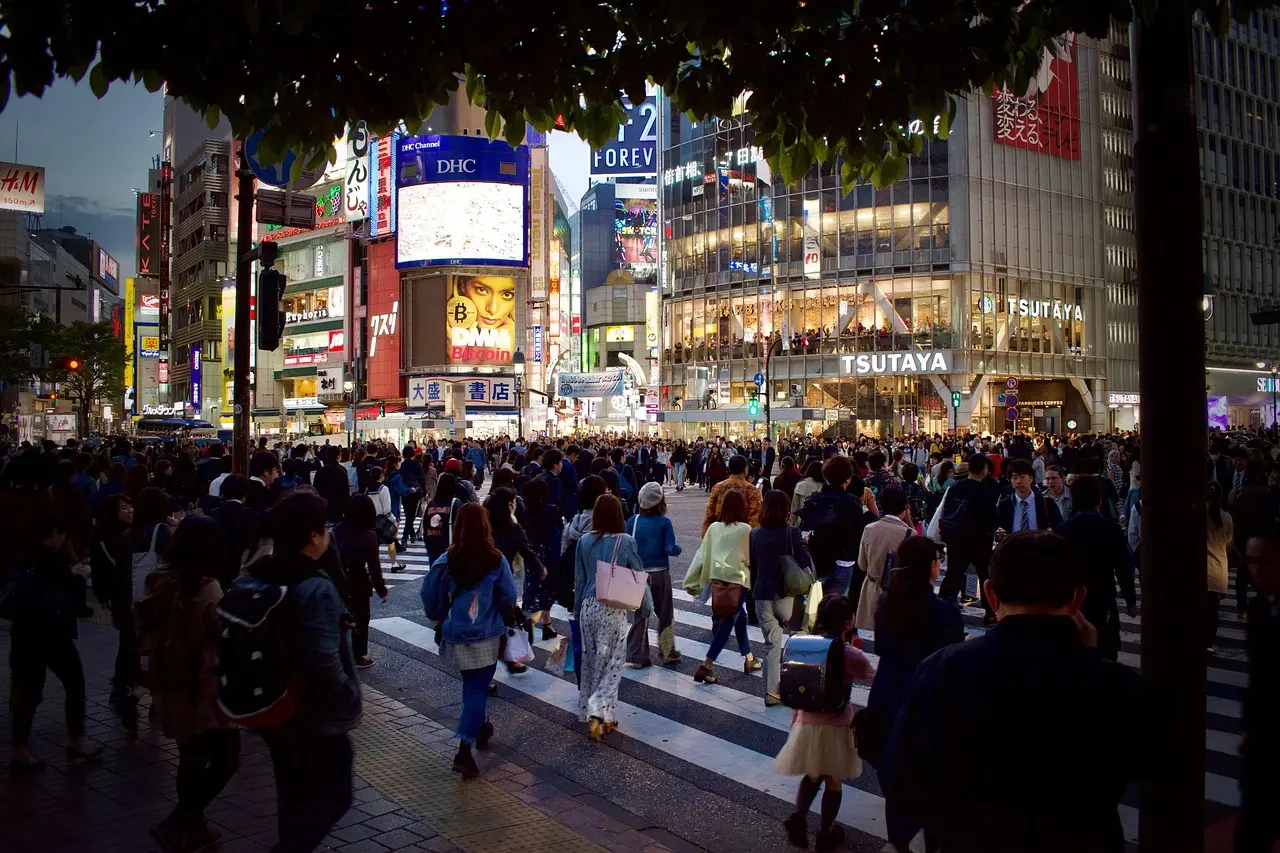
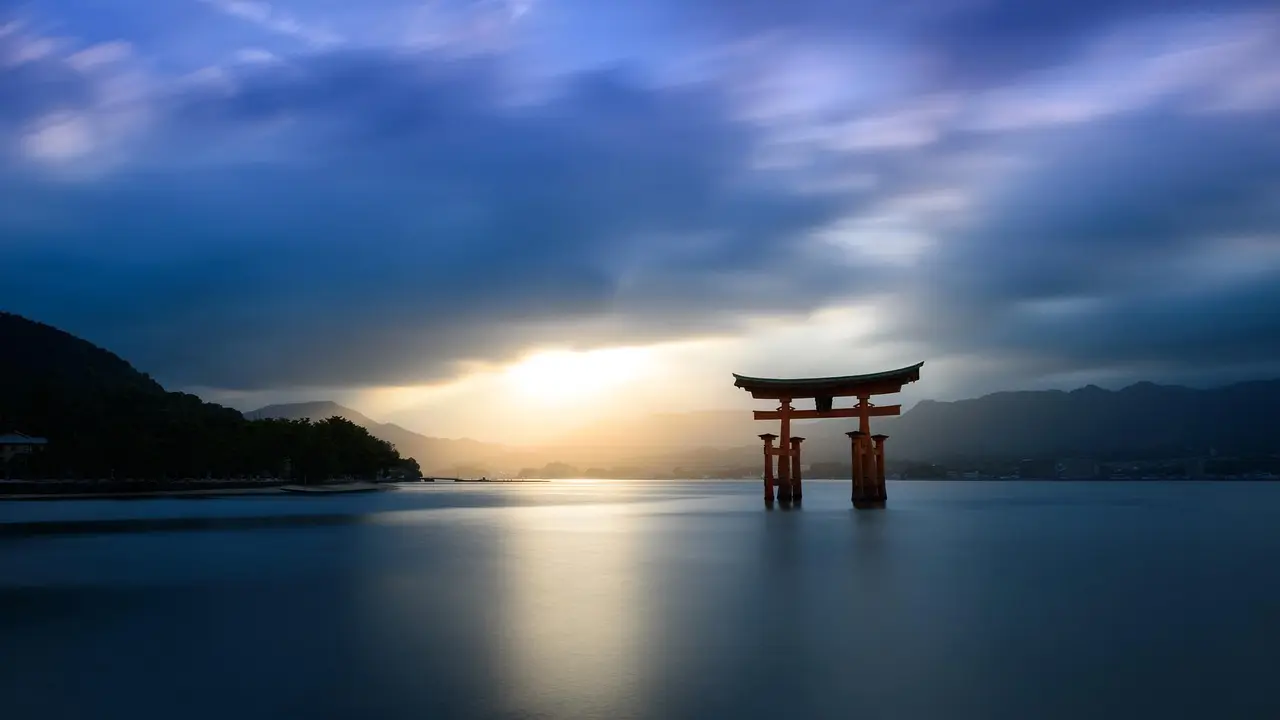
1. Tokyo, Japan — Shibuya Crossing & Meiji Shrine Torii
Tokyo consistently ranks among the top travel destinations for landmark photography thanks to its seamless blend of hyper-modern infrastructure and serene tradition. Shibuya Crossing remains the quintessential urban landmark: a kinetic, multi-layered intersection pulsing with energy — best captured at golden hour or under rain-slicked neon reflections. Just minutes away, the torii gate of Meiji Shrine offers stark contrast: tranquil forest paths leading to a towering wooden gateway symbolizing reverence and stillness.
Pro tip: Visit Meiji Shrine early on weekdays to avoid crowds and capture soft morning light filtering through ancient ginkgo trees — ideal for minimalist compositions. For Shibuya, head to the Starbucks on the second floor of the Scramble Square building for an elevated, unobstructed vantage point. Both locations reinforce why Tokyo is a premier travel destination for landmark photography — accessible, layered, and endlessly cinematic.
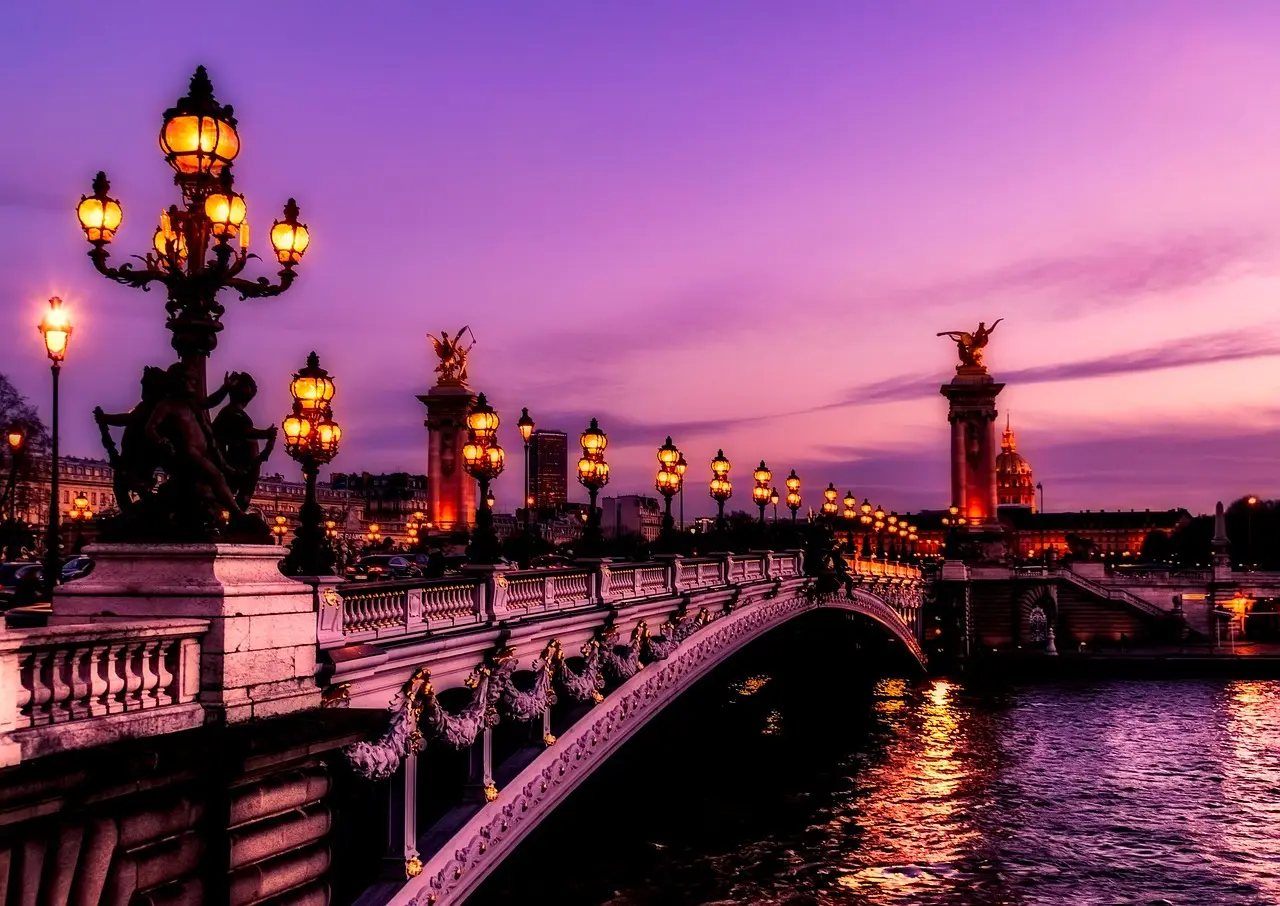
2. Paris, France — Eiffel Tower & Palais Garnier Facade
No list of travel destinations for landmark photography is complete without Paris — a city engineered for elegance and visual harmony. The Eiffel Tower isn’t just a structure; it’s a global shorthand for romance, aspiration, and artistic legacy. Capture it from Trocadéro for symmetrical grandeur, from Seine riverbanks for reflective symmetry, or from Montmartre’s vineyard-lined slopes for a painterly, bohemian context.
Equally compelling is the Palais Garnier opera house — its ornate Beaux-Arts facade, gilded statues, and sculpted pediments offer rich textures and dramatic shadows. It’s a favorite among fashion and architectural photographers seeking timeless backdrops. As one of Europe’s most photographed landmarks, Paris proves that historic grandeur and modern storytelling coexist seamlessly — solidifying its status as a must-include travel destination for landmark photography.
3. New York City, USA — Times Square & The High Line
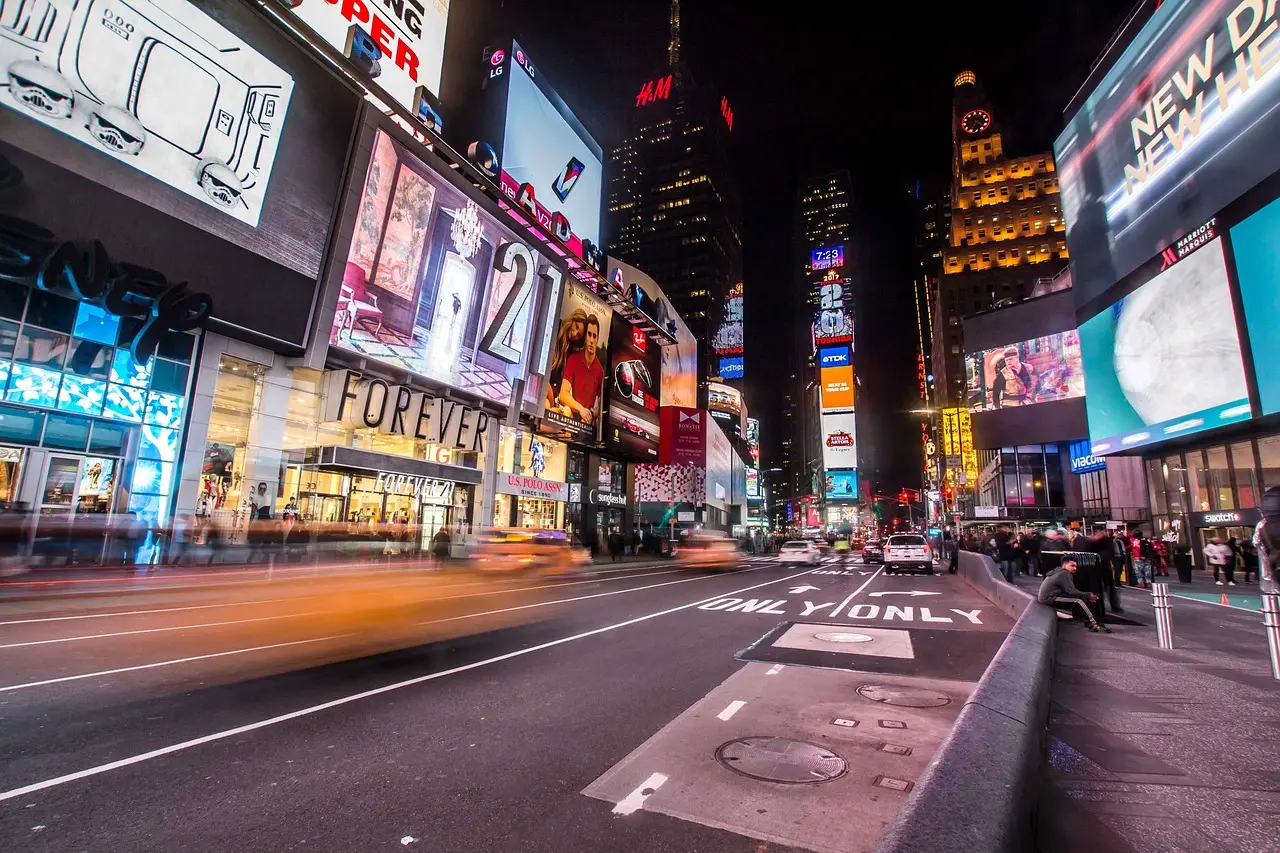
New York City delivers unparalleled density of photogenic landmarks — none more electric than Times Square. Its kaleidoscopic billboards, kinetic pedestrian flow, and theatrical lighting make it arguably the world’s most dynamic urban landmark. Pair it with The High Line — a repurposed rail line turned elevated park — for contrasting narratives: frenetic energy versus curated green calm.
For optimal landmark photography, shoot Times Square from the TKTS stairs at night (tripod recommended), and time The High Line visits for late afternoon when sunlight filters between skyscrapers. NYC’s versatility — from gritty subway platforms to polished observation decks — makes it one of the most adaptable travel destinations for landmark photography across genres: street, portrait, architecture, and lifestyle.
4. Santorini, Greece — Oia Sunset & Blue-Domed Churches
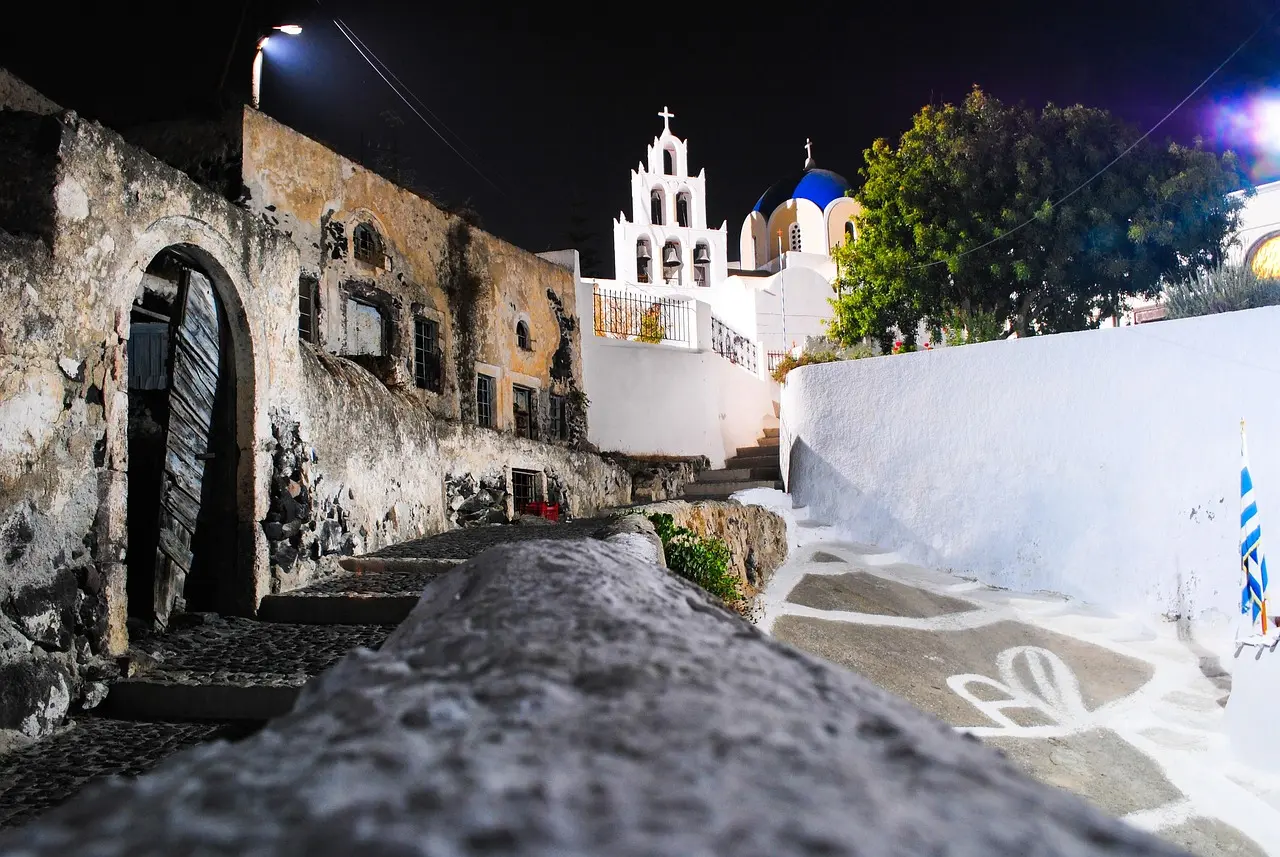
Santorini’s volcanic cliffs, cobalt domes, and blinding white architecture create a color palette unmatched in Mediterranean travel destinations for landmark photography. Oia village — perched on the island’s northwestern rim — draws thousands daily for its legendary sunset views over the caldera. But beyond the cliché, lesser-known gems like the abandoned castle ruins of Pyrgos or the windmills of Fira offer quieter, equally evocative frames.
Best practice: Arrive 90 minutes before sunset to secure a non-commercial vantage point — many hotels now restrict rooftop access. Use a polarizing filter to deepen sky contrast and enhance dome vibrancy. With its consistent light quality and architectural rhythm, Santorini remains a perennial favorite among professional and amateur photographers seeking unforgettable travel destinations for landmark photography.
5. Kyoto, Japan — Fushimi Inari Shrine & Arashiyama Bamboo Grove
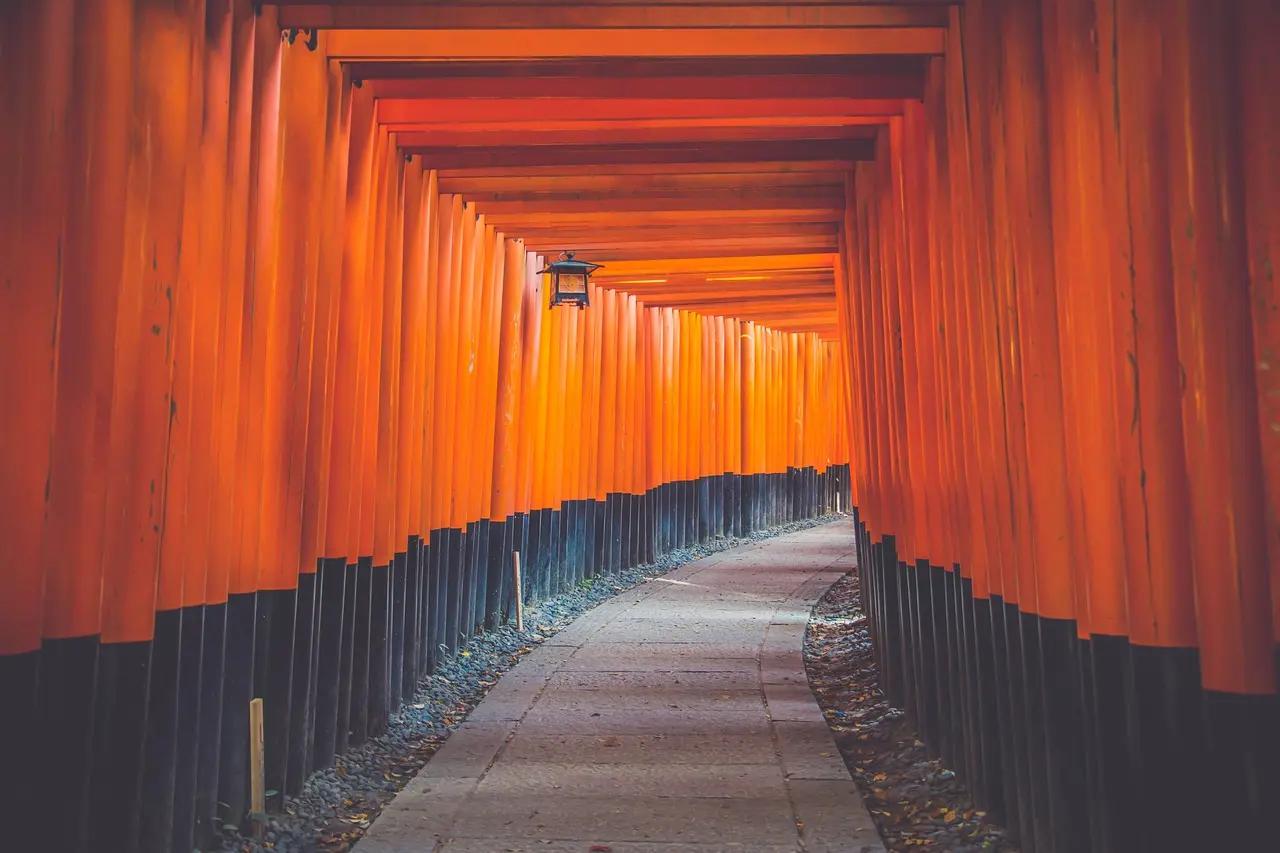
Kyoto offers spiritual depth and visual poetry in equal measure — two landmarks defining Japan’s cultural soul. Fushimi Inari Shrine’s seemingly endless tunnels of vermillion torii gates create hypnotic perspective lines, especially in misty mornings or low-light conditions. Meanwhile, Arashiyama’s bamboo grove delivers vertical rhythm, dappled light, and quiet awe — a sensory counterpoint to urban intensity.
Both sites reward patience and timing: arrive at Fushimi Inari before 7 a.m. to avoid tour groups, and visit Arashiyama midweek for near-solitude. These experiences underscore how Kyoto elevates travel destinations for landmark photography beyond aesthetics — embedding meaning, history, and mindfulness into every frame.
6. Dubai, UAE — Burj Khalifa & Al Fahidi Historic District
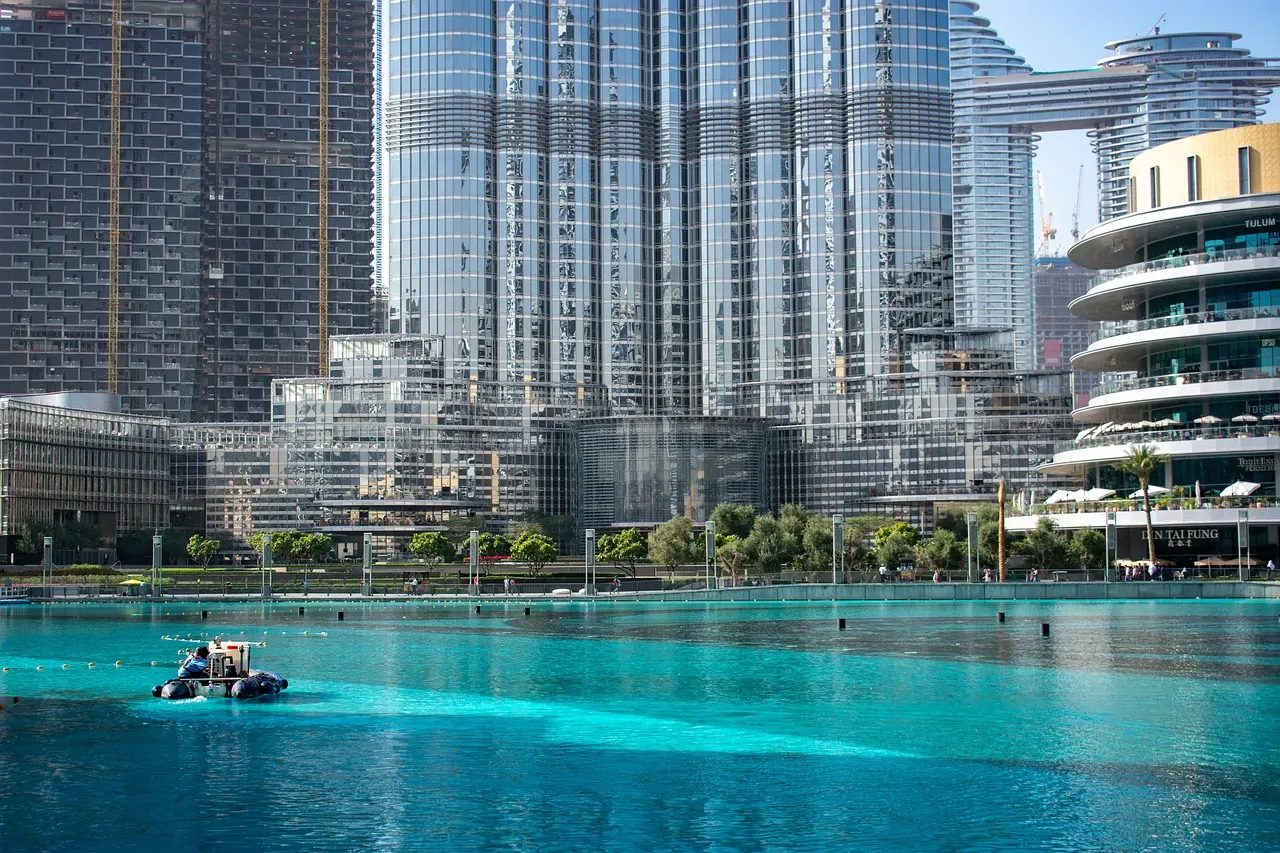
Dubai redefines scale and contrast — a skyline dominated by the Burj Khalifa, the world’s tallest building, juxtaposed against the narrow alleyways and wind-tower architecture of Al Fahidi. The tower offers multiple photographic opportunities: mirrored reflections from nearby lakes, dramatic long-exposure light trails from observation decks, and silhouette shots against desert sunsets.
Al Fahidi, meanwhile, provides texture-rich heritage scenes — hand-painted doors, courtyard gardens, and artisan workshops. Together, they exemplify how Dubai has evolved into a dual-narrative travel destination for landmark photography: futuristic ambition meets rooted authenticity. It’s no surprise Dubai appears frequently in searches for ‘best cities for architectural photography’ and ‘modern landmark travel destinations.’
7. Cape Town, South Africa — Table Mountain & Bo-Kaap Colorful Houses
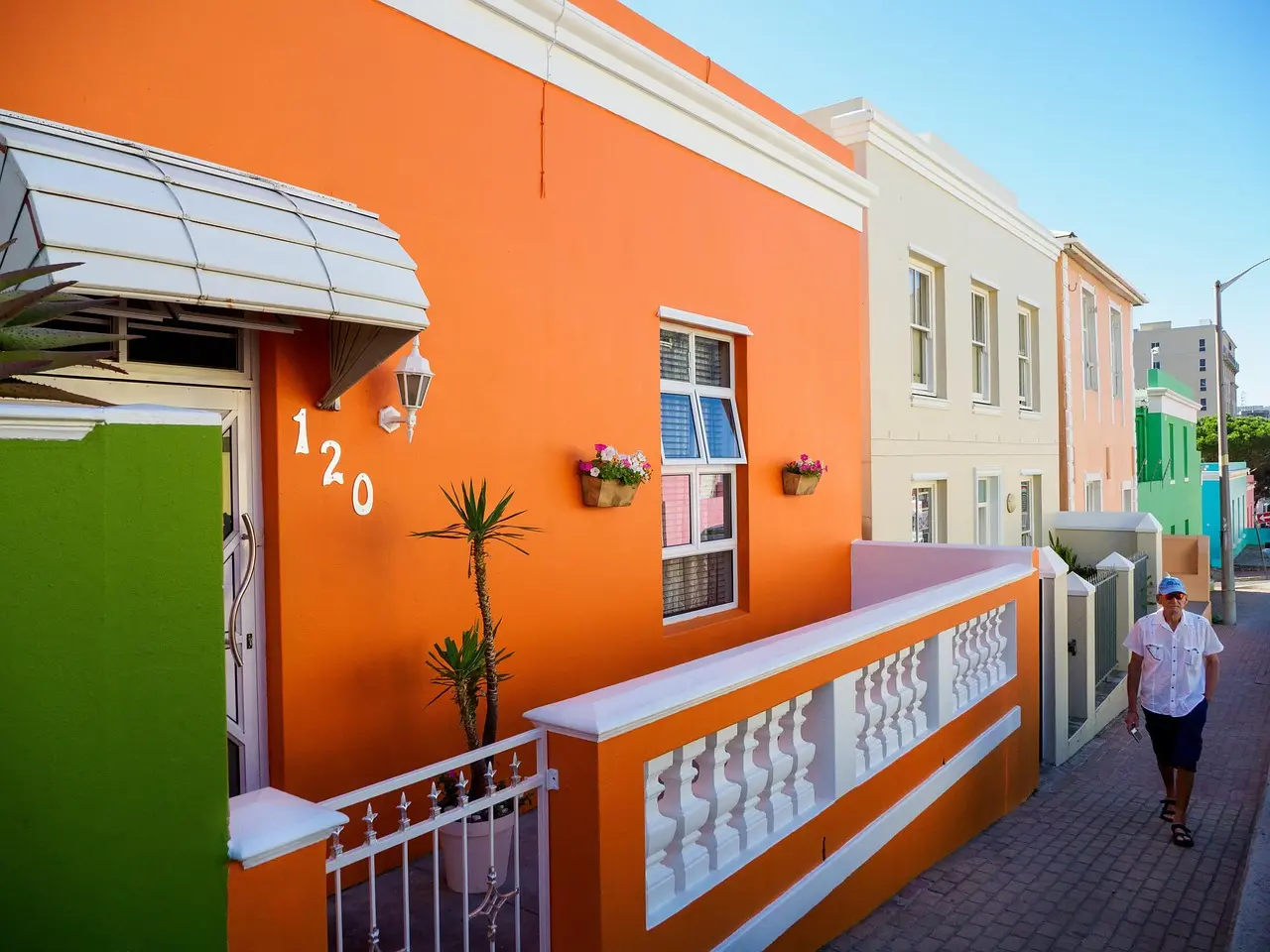
Cape Town merges natural majesty with vibrant human expression. Table Mountain’s flat-topped silhouette dominates the cityscape — best photographed from Lion’s Head at sunrise or from Camps Bay beach for coastal framing. Equally distinctive is Bo-Kaap’s rainbow-hued homes, steep cobbled streets, and centuries-old Cape Malay heritage.
These two landmarks represent complementary dimensions of South African identity: geological endurance and cultural resilience. For photographers, Cape Town delivers diverse lighting conditions, microclimates, and layered storytelling — making it one of Africa’s most compelling travel destinations for landmark photography and a rising star in sustainable tourism narratives.
8. Petra, Jordan — The Treasury (Al-Khazneh) at Sunrise
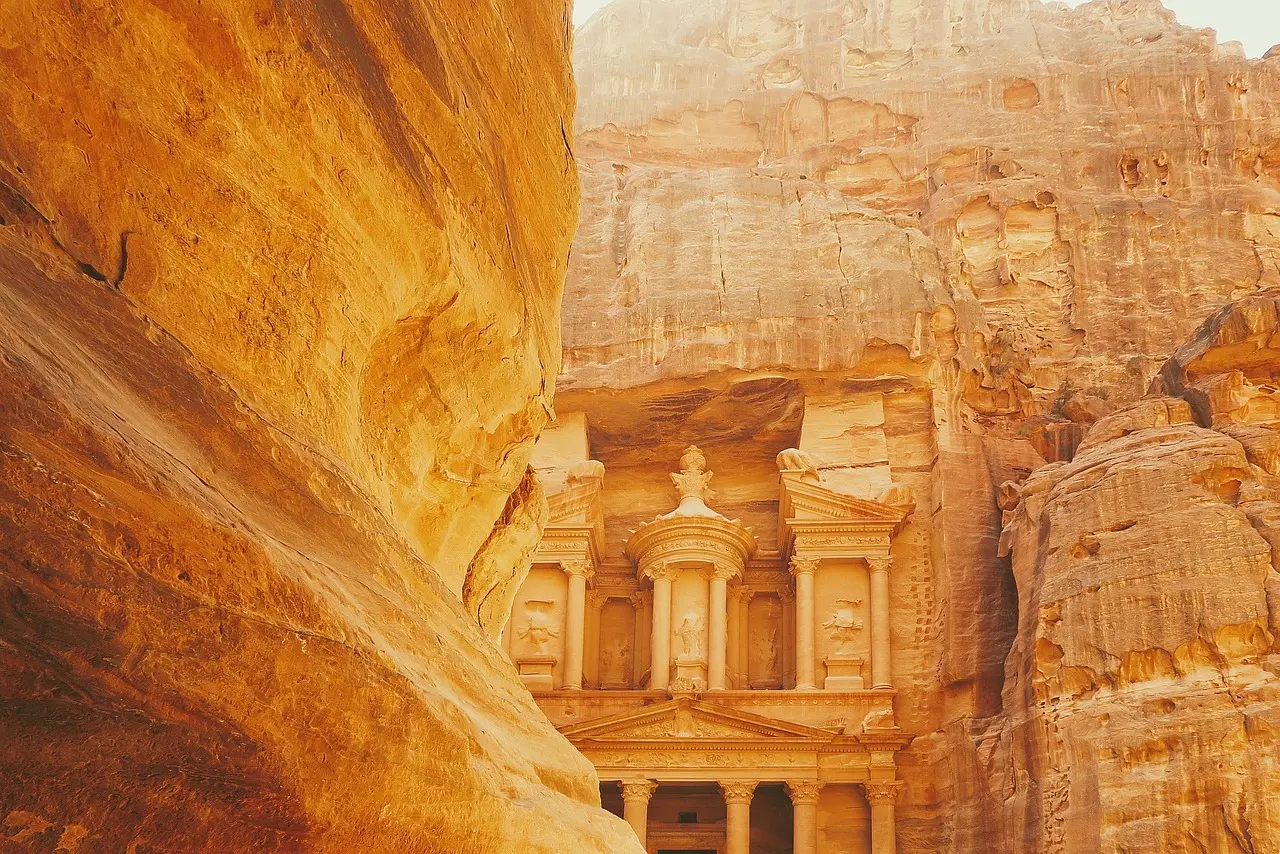
Petra transcends typical landmark status — it’s an archaeological marvel carved directly into rose-red sandstone cliffs. The Treasury, approached via the narrow Siq canyon, reveals itself in stages: first a sliver of column, then a full-frontal reveal bathed in dawn light. This slow unveiling creates unmatched dramatic tension — a rare physical experience that translates powerfully into still imagery.
Photographing Petra requires planning: enter at opening time, carry a wide-angle lens for confined spaces, and use neutral density filters for long exposures in the Siq. As one of the most historically resonant travel destinations for landmark photography, Petra reminds us that the most powerful images often emerge from patience, reverence, and context.
9. Reykjavik, Iceland — Hallgrímskirkja & Harpa Concert Hall
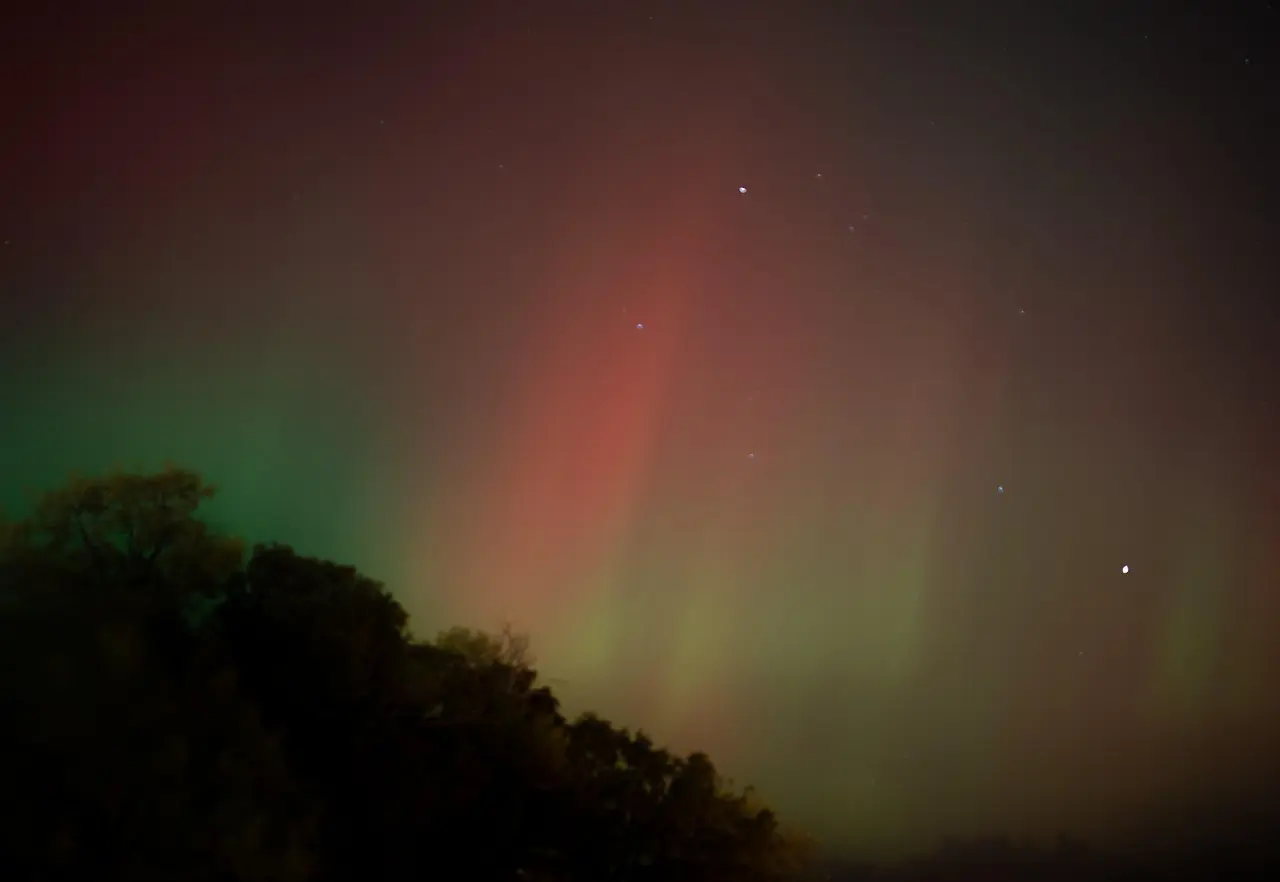
Iceland’s capital surprises with bold, sculptural architecture inspired by basalt columns and glacial landscapes. Hallgrímskirkja’s stepped facade mimics lava flows, while Harpa’s geometric glass façade reflects auroras, storm clouds, and midnight sun — transforming with every weather shift. Both landmarks thrive in Iceland’s extreme light conditions, offering photographers unparalleled creative flexibility.
Winter brings the Northern Lights dancing above Hallgrímskirkja; summer delivers 24-hour twilight for surreal long-exposure shots. Reykjavik’s compact size and walkability make it an efficient yet deeply rewarding stop on any itinerary focused on travel destinations for landmark photography — especially for those seeking otherworldly, geologically inspired visuals.
10. Marrakech, Morocco — Jemaa el-Fnaa Square & Bahia Palace Courtyard
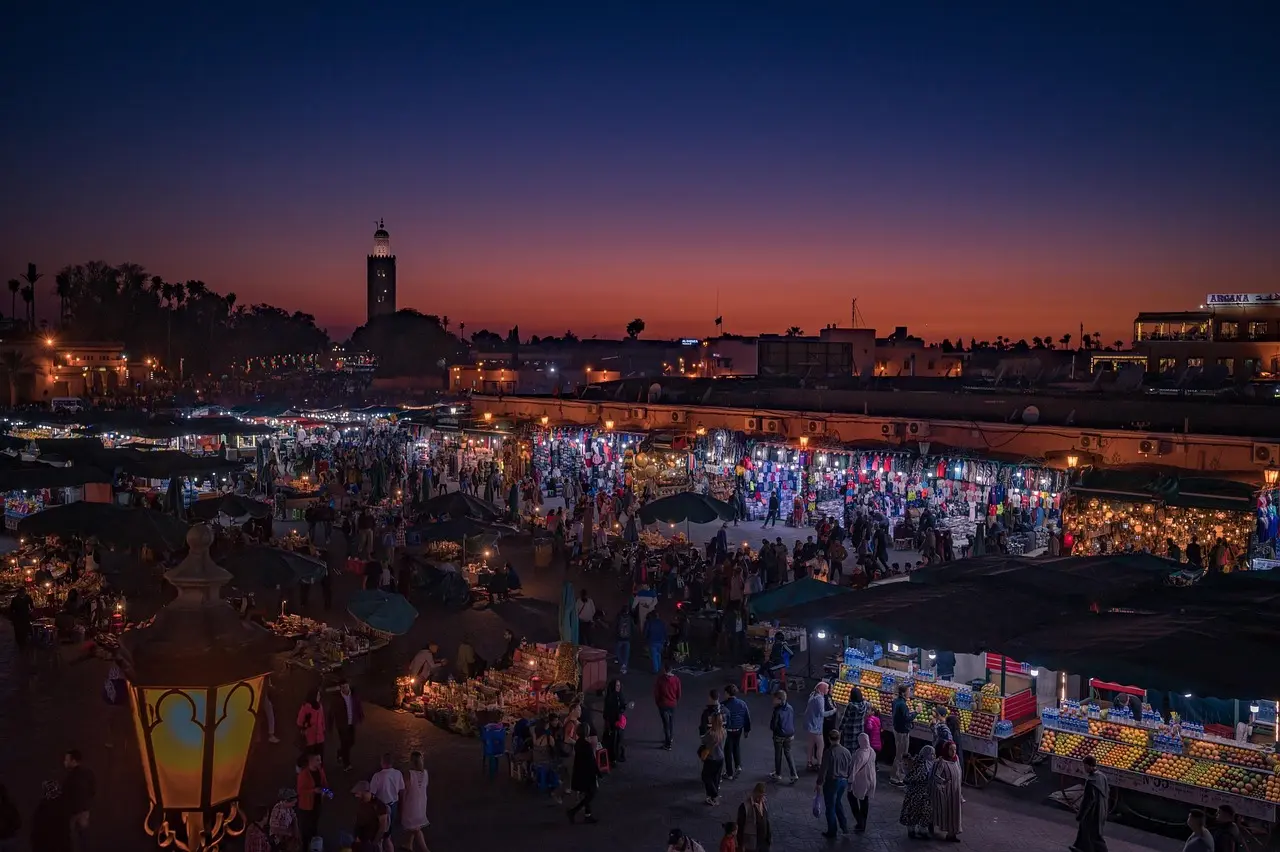
Marrakech pulses with color, sound, and pattern — a feast for documentary and portrait photographers. Jemaa el-Fnaa transforms from daytime market to nighttime spectacle: food stalls glowing under lantern light, snake charmers, henna artists, and storytellers. Bahia Palace offers quiet counterbalance — intricate zellige tilework, cedar ceilings, and shaded courtyards dripping with jasmine.
Capture Jemaa el-Fnaa at magic hour using fast prime lenses; for Bahia, shoot midday when light highlights mosaic details. As North Africa’s most photographed city, Marrakech proves that travel destinations for landmark photography need not be monolithic — they can be immersive, participatory, and deeply human-centered.
11–15: Bonus Global Highlights
11. Rio de Janeiro, Brazil — Christ the Redeemer overlooking Guanabara Bay (golden hour + drone perspectives).
12. Bagan, Myanmar — Thousands of ancient temples scattered across misty plains (early morning hot-air balloon shots).
13. Barcelona, Spain — Sagrada Família’s organic façade and stained-glass interiors (midday light for color saturation).
14. Queenstown, New Zealand — Lake Wakatipu framed by The Remarkables mountain range (long-exposure water + alpine reflections).
15. Angkor Wat, Cambodia — Reflection of temple spires in lotus-filled moat at dawn (wide-angle + polarizer essential).
Photography Tips for Maximizing Your Travel Destinations for Landmark Photography Experience
• Scout locations using Google Street View and photo maps to identify angles, access points, and lighting direction.
• Pack lightweight gear: a sturdy tripod, neutral density and polarizing filters, and a 16–24mm wide-angle lens for tight urban spaces.
• Respect local customs — avoid flash inside sacred sites, ask permission before photographing people, and follow drone regulations.
• Prioritize golden hour (sunrise/sunset) and blue hour (30 mins post-sunset) for dimensional, warm-toned results.
• Edit intentionally: emphasize contrast, clarity, and selective color boosts — but preserve authenticity. Over-processing undermines the integrity of travel destinations for landmark photography.
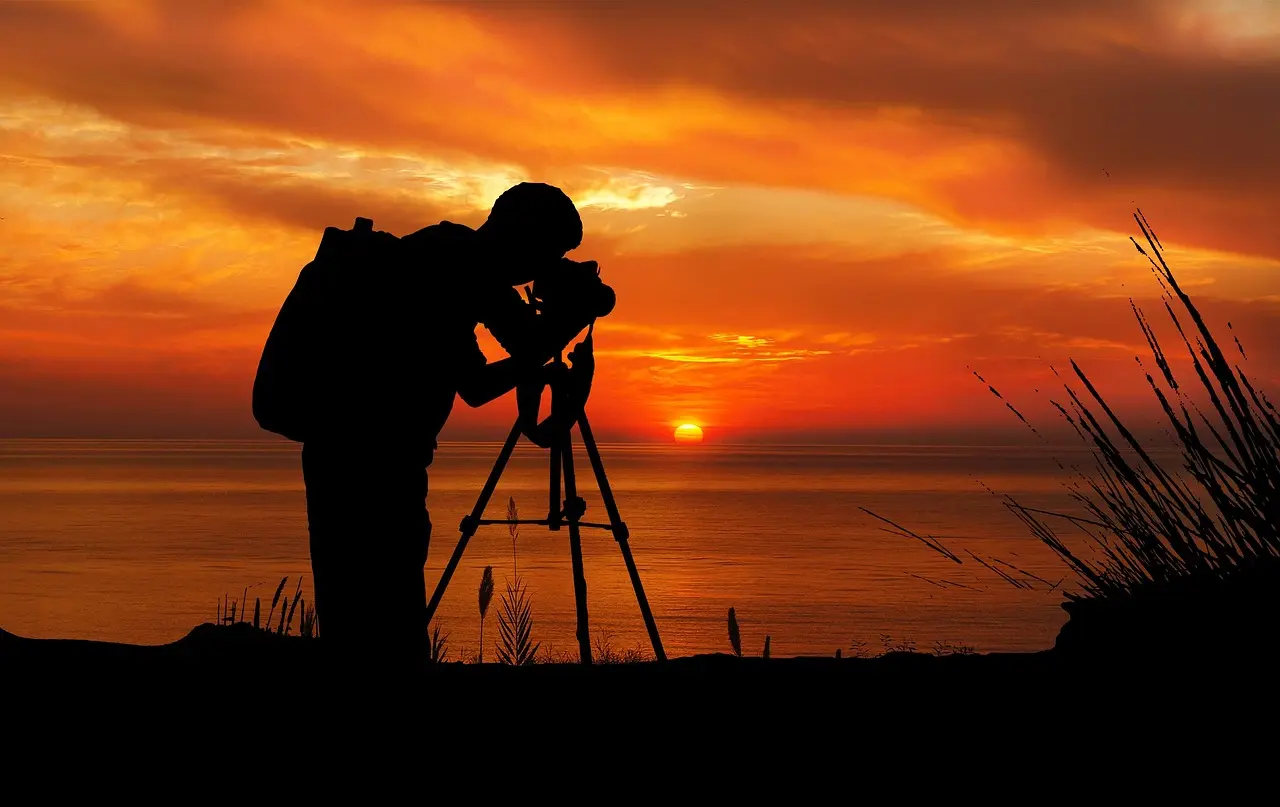
Whether you’re an influencer building a visual portfolio, a travel agent designing premium itineraries, or a lifelong explorer chasing meaningful moments, prioritizing travel destinations for landmark photography transforms sightseeing into storytelling. Each of these 15 locations offers more than aesthetic appeal — they deliver cultural context, historical weight, and emotional resonance. Start planning your next trip around light, season, and narrative intent. Bookmark this guide, tag your favorite travel destinations for landmark photography on social media, and remember: the most memorable images aren’t just seen — they’re felt, shared, and remembered. Ready to capture your own iconic frame? Begin with one landmark, one sunrise, and one intentional click.